The San Francisco issue
Castro, San Francisco: the neighbourhood guide
A block-by-block walk through the Castro in 2026 — the plaza mid-rebuild, the reborn Castro Theatre, and where a local actually eats and drinks between them.
By Jonas BakkerThe city's hills, fog and neighbourhoods, one route at a time
Walk up out of the underground station at Castro and Market and the first thing you notice is the flag — thirty feet of rainbow nylon snapping over a plaza that has been rebuilding itself, literally and otherwise, for the better part of fifty years. This is one of the only neighborhoods anywhere where the street itself is the monument, and you can spend a full weekend here without minding that half of it is behind construction fencing. Here's how it actually reads, corner by corner.
Harvey Milk Plaza: Where Everyone Starts
Everything in the Castro radiates out from one small triangle of pavement. Harvey Milk Plaza & the Castro Rainbow Flag, at the mouth of Castro and Market, has flown its flag since 1985 and has been the neighborhood's literal center since 1997 — the point every map, every walking tour, and every first-time visitor's photo starts from. It's an open public square: no door, no ticket, fine for a couple or a coach party.
Be aware going in that the plaza is a live construction site through 2026 and into 2028, as a $25 million redesign breaks ground around it. The flag stays up and the crosswalks stay open the entire time, so it doesn't block your visit — it just means the plaza itself will look like scaffolding and hoarding rather than the open civic space it's meant to become. Don't let it put you off; it's still the right place to get your bearings, just don't expect a finished plaza for a couple more years.
Plan your San Francisco trip
Live prices from our booking partners.
Free cancellation on many rooms. We may earn a commission when you book.
History You Can Walk Through
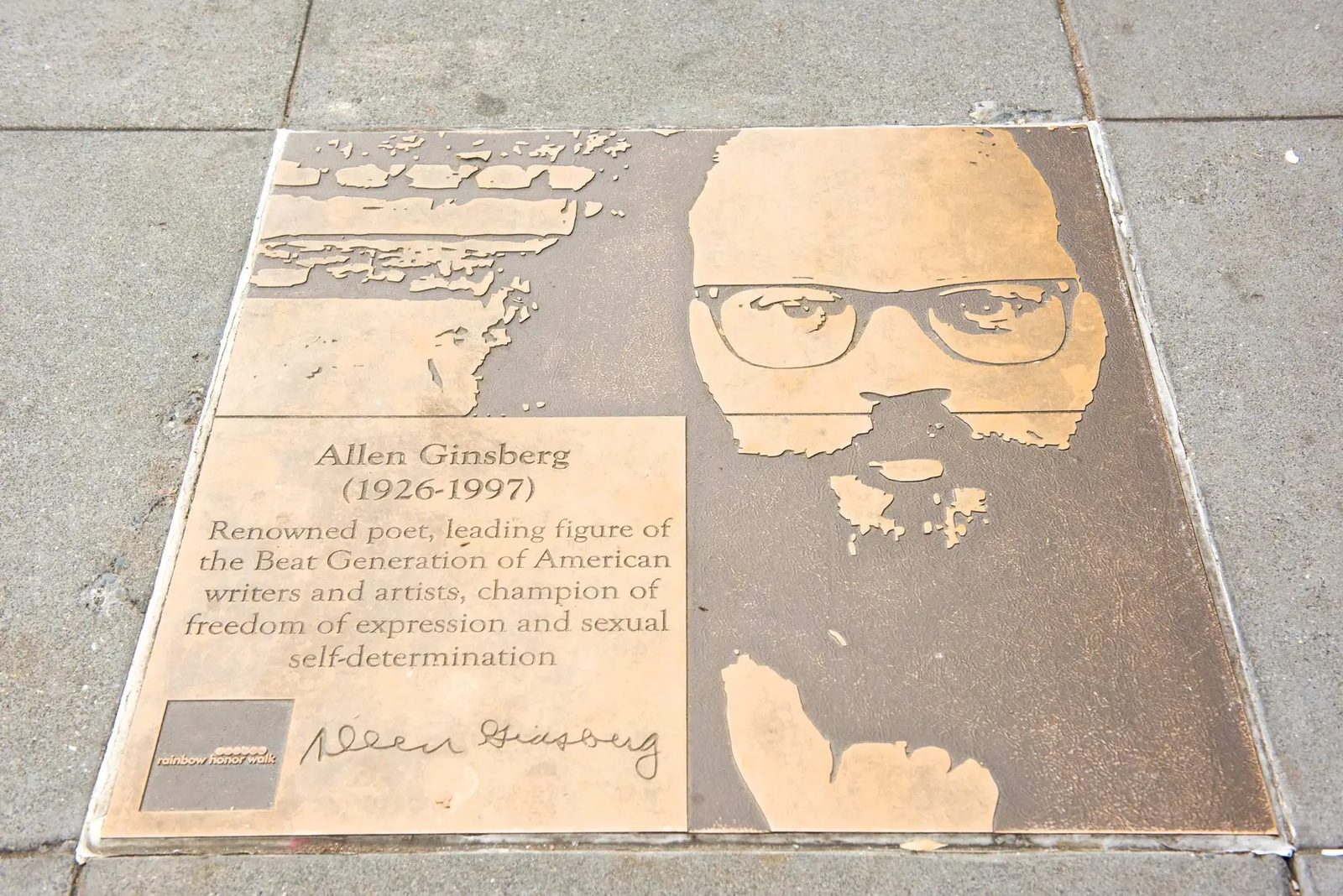
Once you're oriented, the neighborhood's history is mostly at your feet, not behind glass. Head down Castro Street and you're walking the Rainbow Honor Walk, a self-guided run of bronze plaques set into the sidewalk for figures like Alan Turing, Sylvia Rivera, and Harvey Milk himself, alongside dozens more. It costs nothing, there's no group size limit, and it turns an ordinary stroll into something with actual weight — read a few plaques as you pass rather than trying to do all of them in one go.
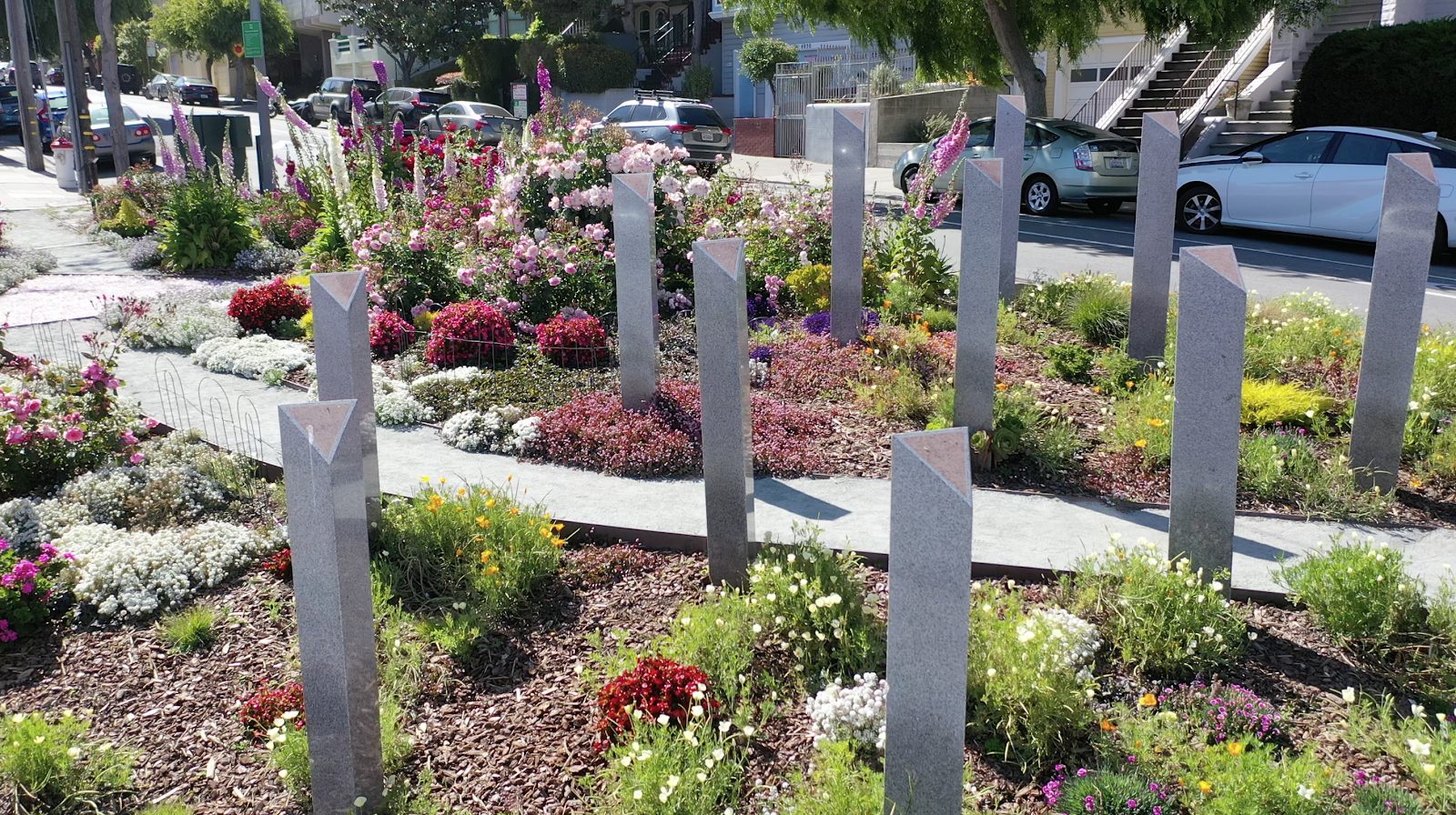
A couple of streets over, Pink Triangle Park & Memorial is easy to walk straight past, which would be a shame. It's America's first permanent memorial to the LGBTQ+ victims of the Nazi Holocaust, a small green wedge of a park that asks for nothing more than two quiet minutes. Free, open, no crowd management needed — it rewards the kind of visitor who's willing to detour off the main strip.
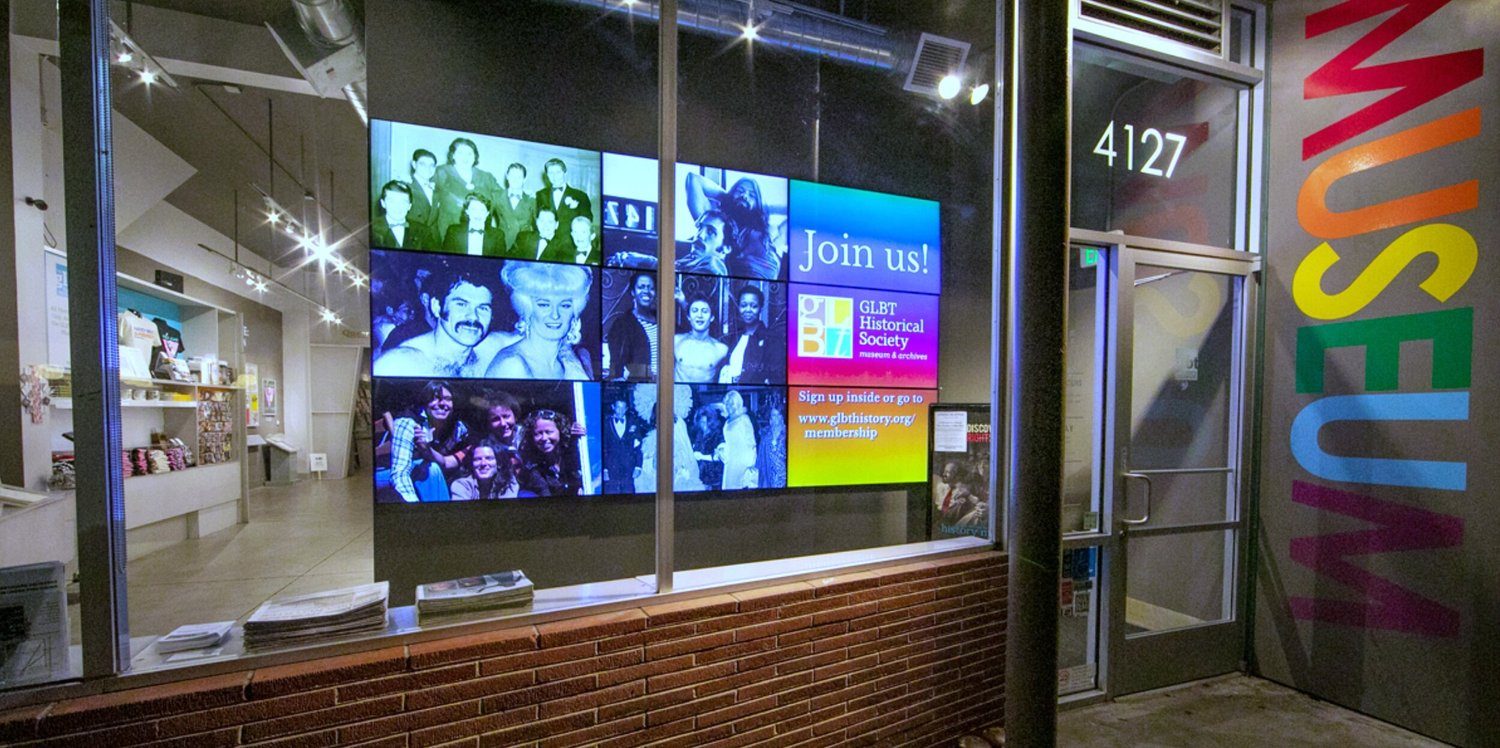
For the fuller record, the GLBT Historical Society Museum is the first stand-alone LGBTQ history museum in the United States. It's a compact space — think rooms, not wings — and the objects inside are originals, not reproductions, which is the whole point of going. Admission is modest. Small groups move through comfortably; if you're arriving with more than a handful of people, call ahead so the room doesn't get overwhelmed.
The Castro Theatre, Reborn
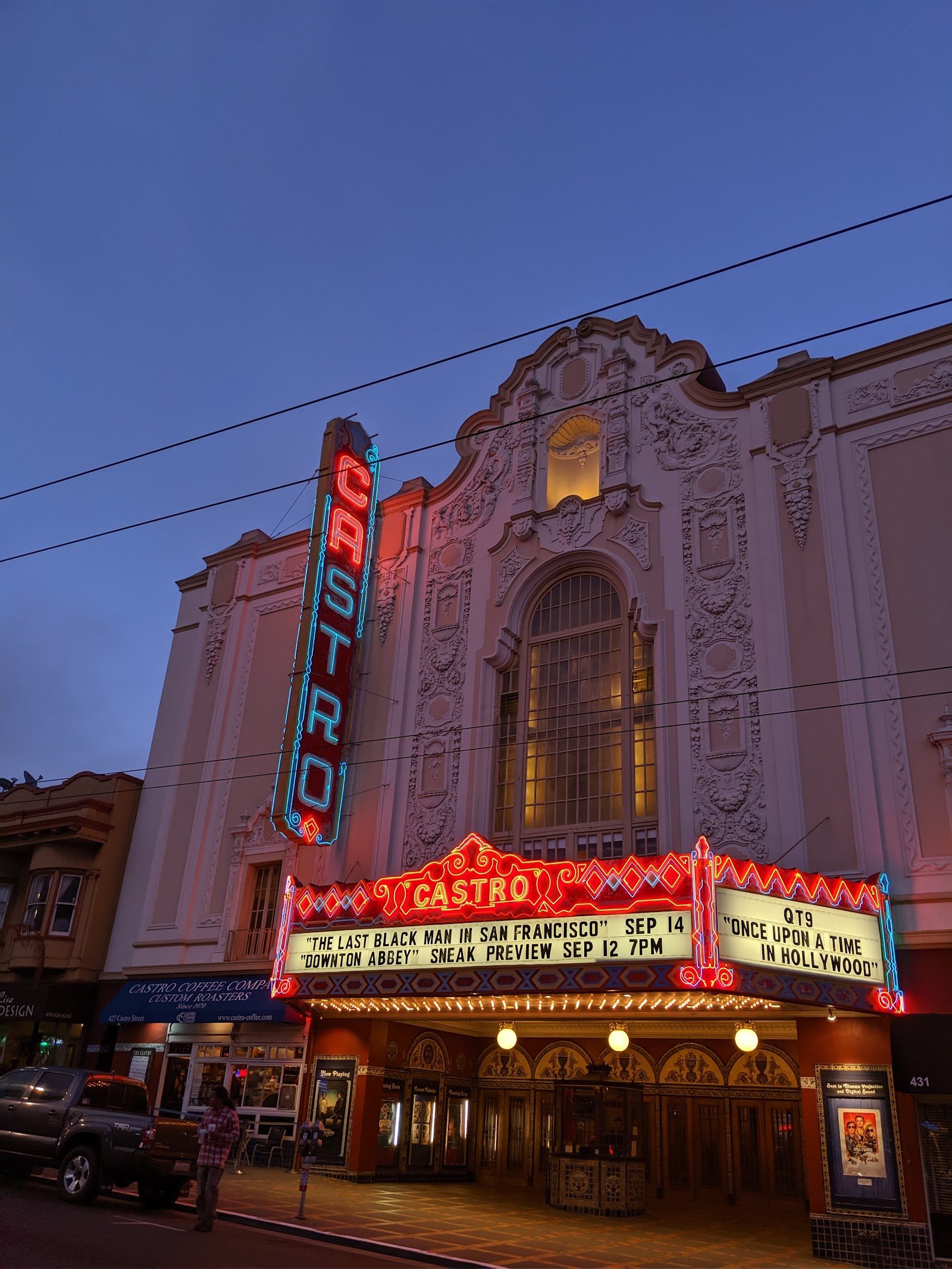
The Castro Theatre, a couple of doors up from the museum on Castro Street, reopened in February 2026 after a $41 million restoration led by Another Planet Entertainment — and it's worth knowing exactly what you're booking before you buy a ticket. The main-floor seating is gone. In its place is a flexible standing and multi-use space built for concerts and comedy, which means this is no longer the classic movie-house, sit-in-the-dark-with-popcorn experience longtime visitors remember. It's now a live-events venue that happens to be gorgeous and historic, so check exactly what's on and what the floor plan means for your night — standing for two hours is a different evening than a seated screening. Groups are welcome for shows; pricing varies by event.
The Bars: Loud, Quiet, and In Between
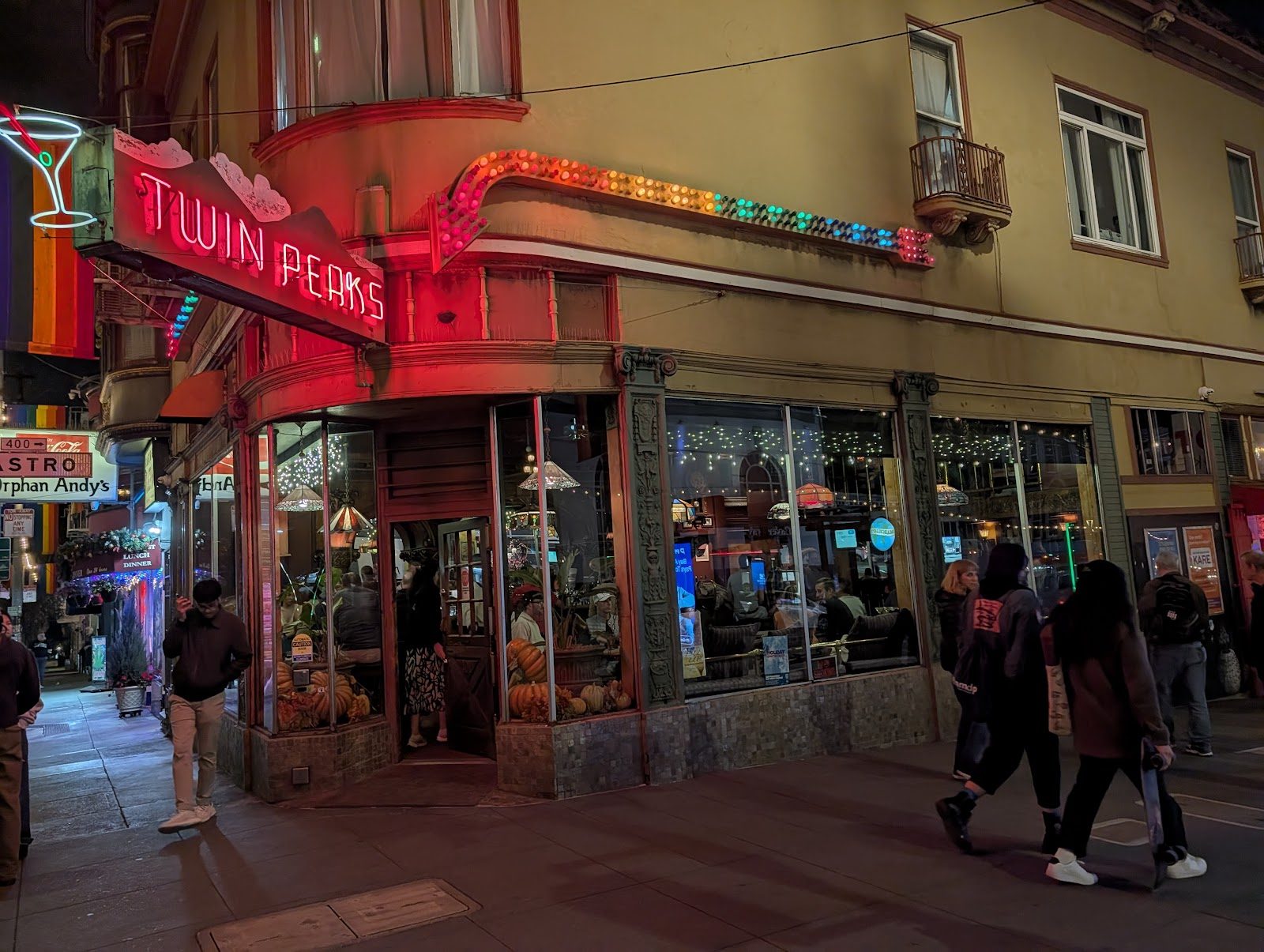
The Castro's bar scene isn't one thing, and treating it like one is the most common visitor mistake. Twin Peaks Tavern, right on Castro Street, is where to start for context rather than volume: in 1972 it became the first gay bar in the US to open its windows to the street, letting passers-by see who was inside — a genuine hinge point in LGBTQ+ visibility, and it's still pouring drinks under the same big picture windows today. No cover, casual from afternoon into late night, and it welcomes groups without any fuss.
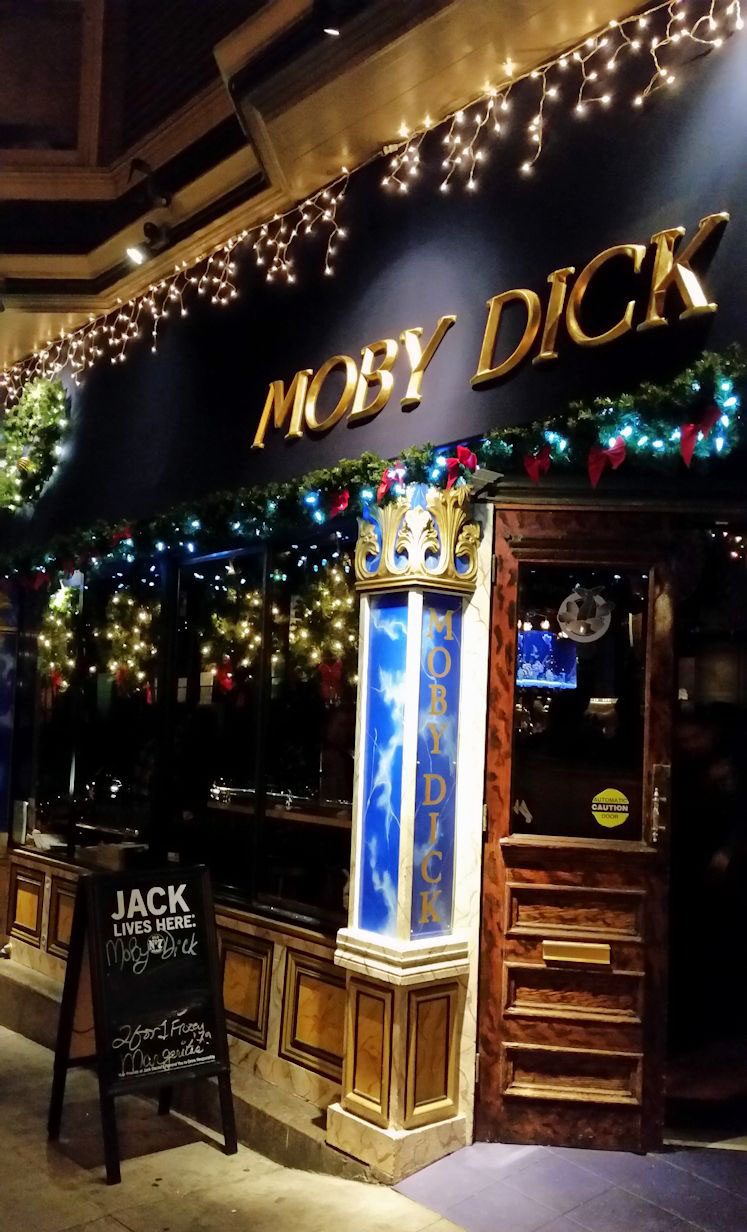
A short walk off the main drag, Moby Dick is the low-key counterpoint — a neighborhood hangout best known for the fish tank built into its back wall, no cover most nights, groups fine, and a useful stop if you want a break from the louder rooms nearby.
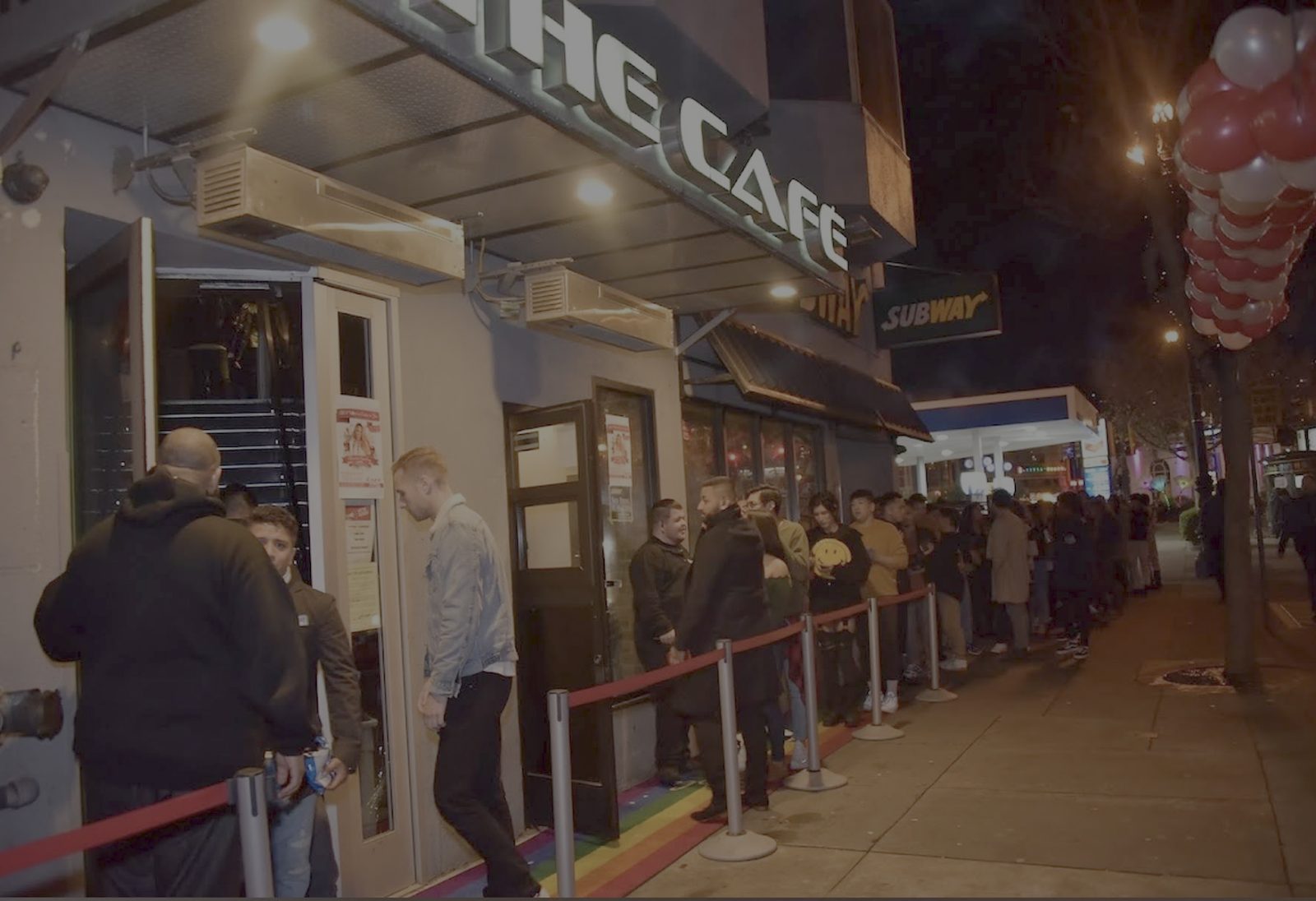
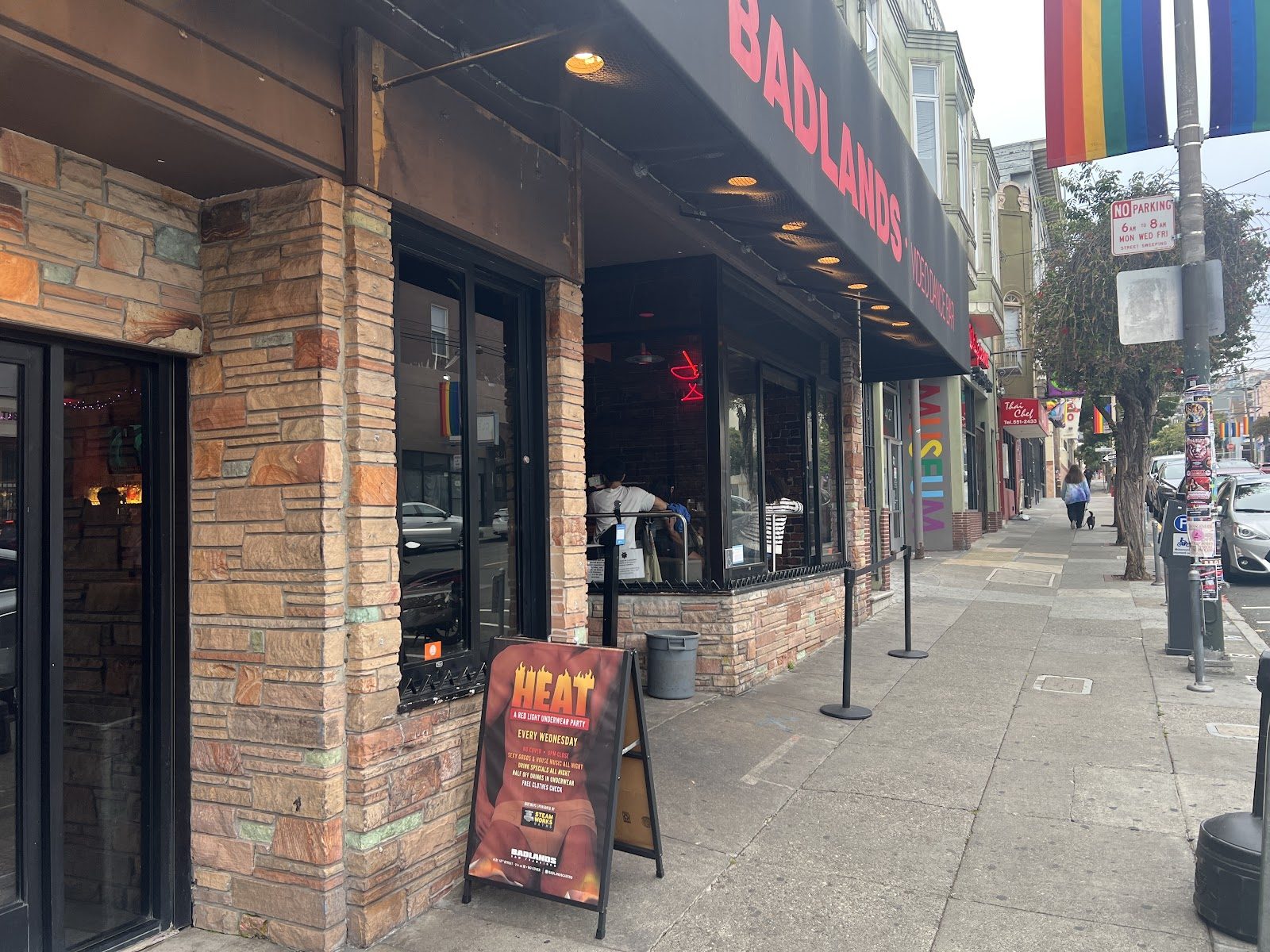
Those louder rooms mean Badlands, the neighborhood's main late-night dance floor. It closed between 2020 and 2023 and came back renovated, and it's where groups head when they actually want to dance rather than talk — expect a cover on busier nights. The Café, a little further along, changed hands in 2026 and got a fresh renovation to go with it; the reason to know about it specifically is the balcony, which gives you the single best vantage point over the flag and the plaza in the whole neighborhood. It's a dance-floor crowd with weekend cover, groups welcome.
And for readers who assume the Castro is wall-to-wall dance bars, Hi Tops is the corrective — San Francisco's first gay sports bar, kitchen open daily, and the natural pick for a group that wants a big game on more than a few screens rather than a DJ.

Where to Eat
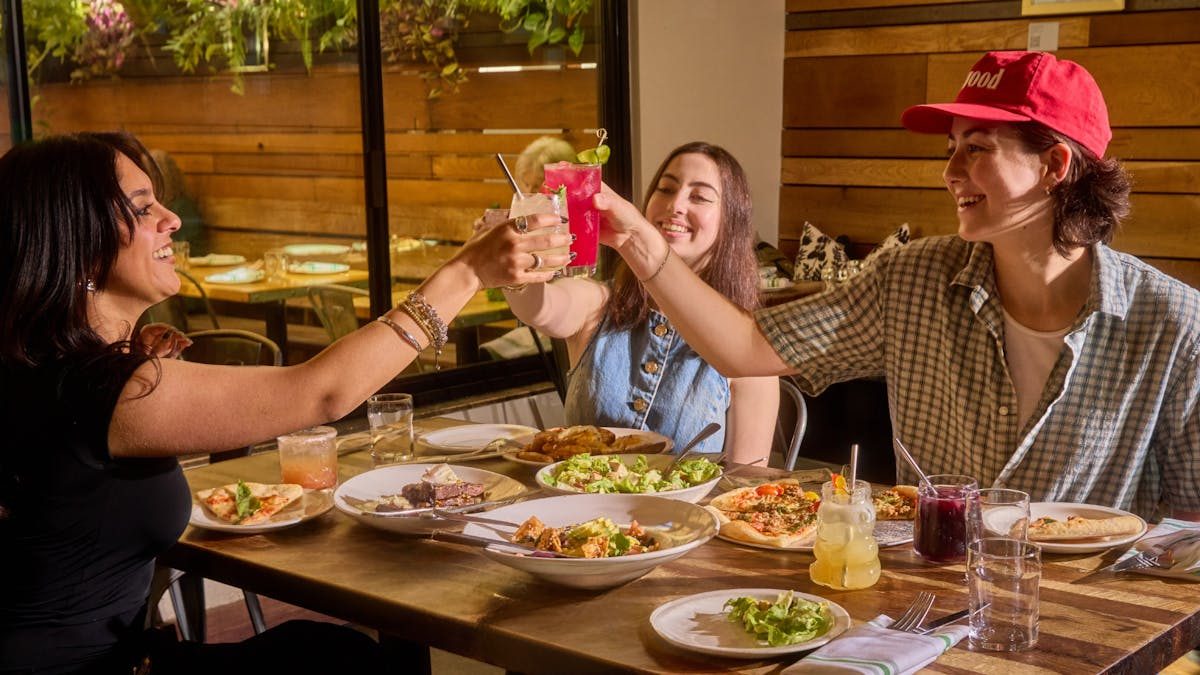
Dinner in the Castro splits cleanly by party size and how dressed-up you want to be. Starbelly is the reliable middle ground: California comfort food, a patio that genuinely works for larger parties, and a kitchen that takes reservations rather than making you gamble on a walk-in. It's the one to book when a group can't agree on what kind of food they want.
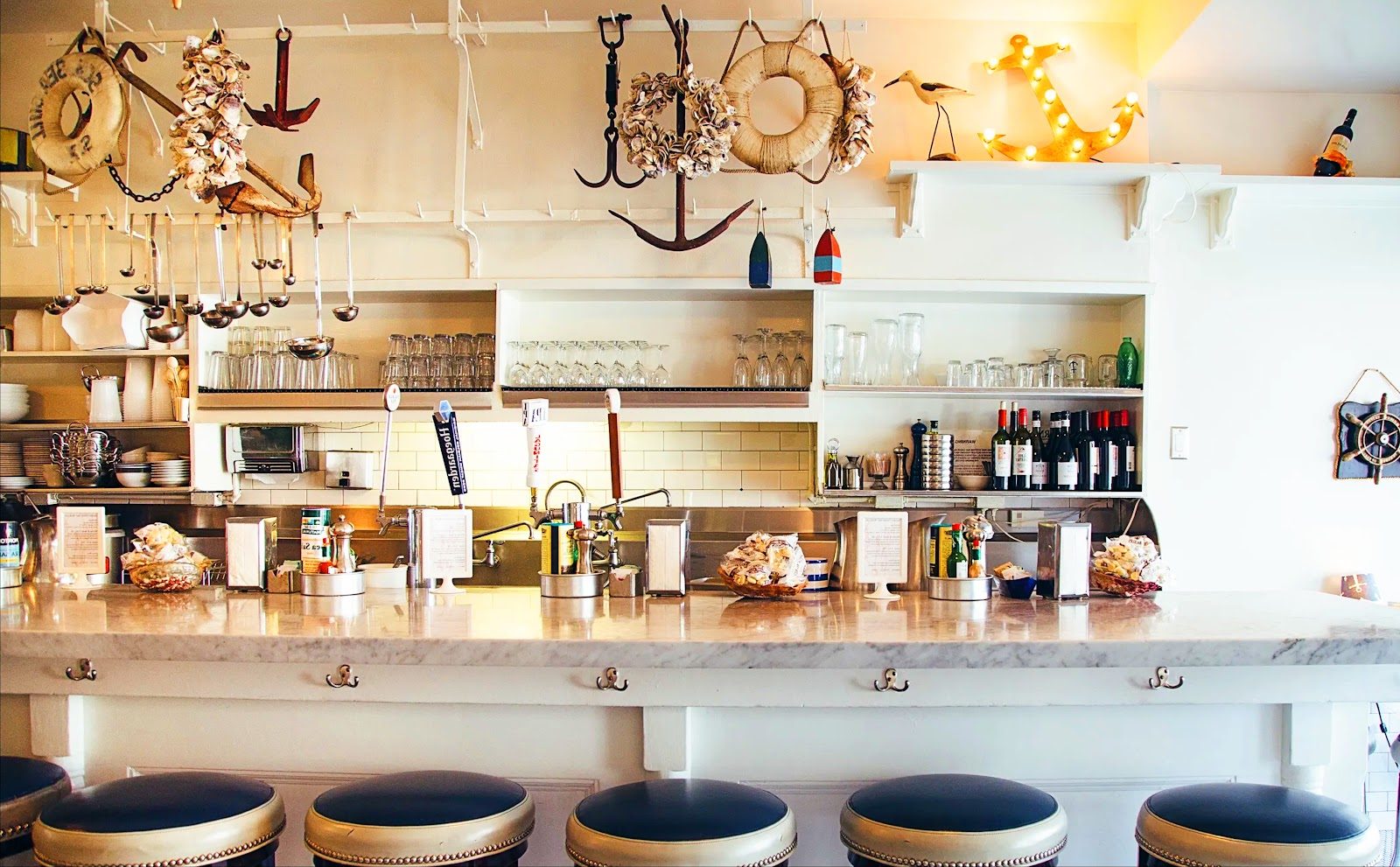
Anchor Oyster Bar is the opposite kind of room — a tiny, cult-favorite counter built for oysters and clam chowder, and it is not a group venue. Even a table of two should expect a wait; if you're arriving as four or more, pick somewhere else and save this one for a couple.
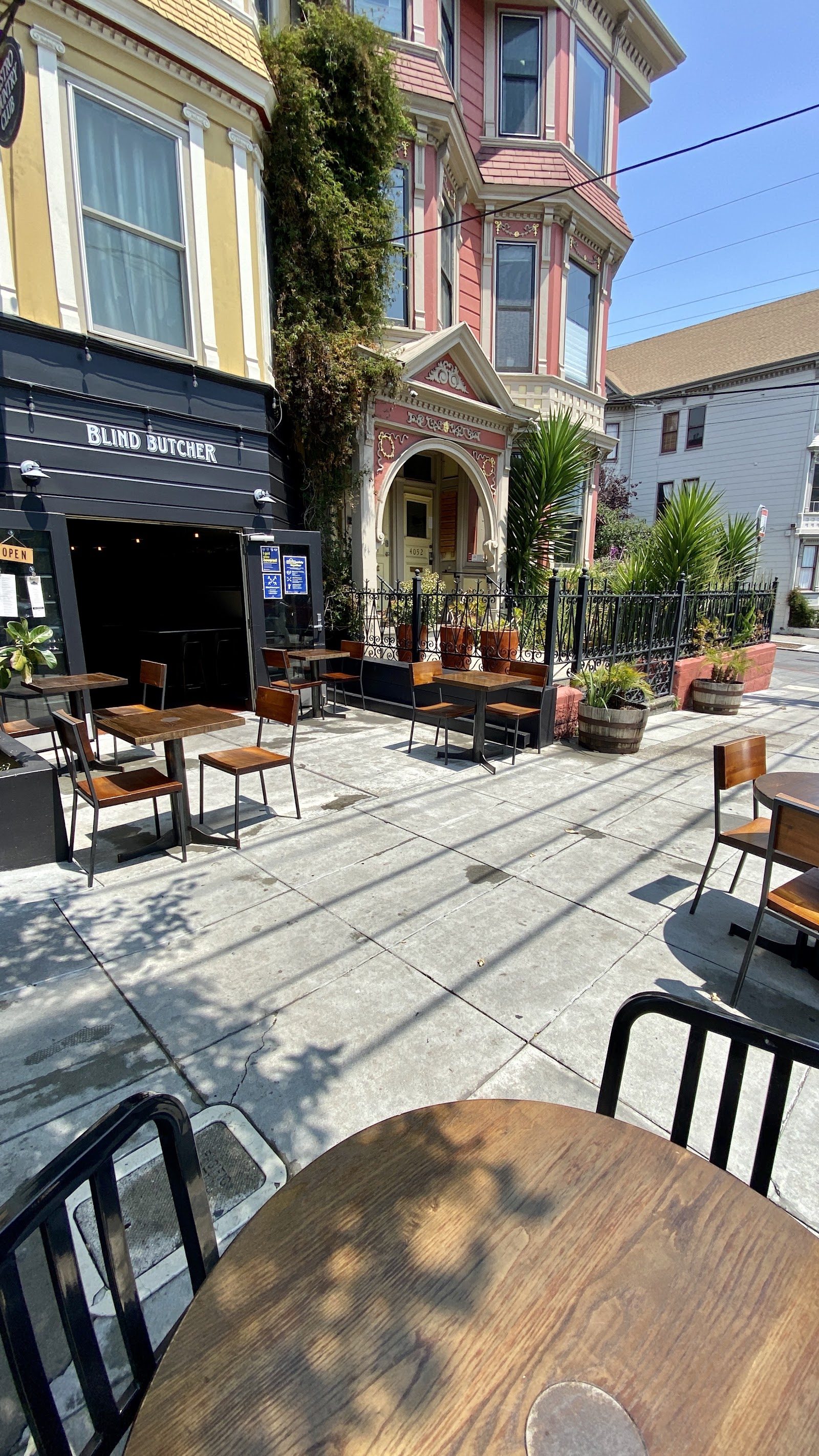
For a proper sit-down night, Blind Butcher is the Castro's dress-up-a-little option: New American steak and seafood, hand-cut cuts, and a wine list built to match. It takes reservations and groups comfortably, which makes it the default answer when someone in your party wants an actual occasion rather than a bar snack.
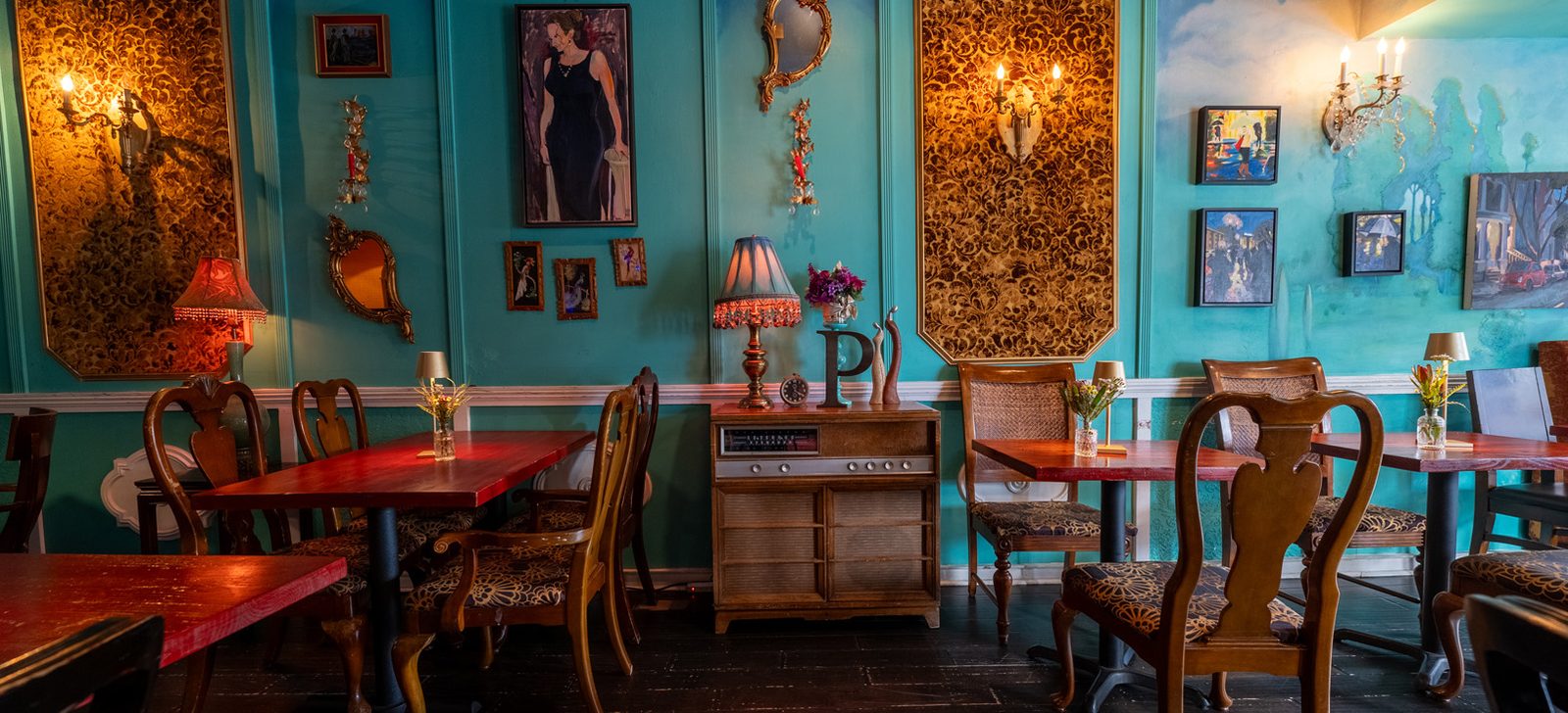
And for something rooted rather than trendy, Poesia Osteria Italiana is a family-run, Calabrian-founded Italian restaurant in a genuinely handsome Victorian dining room. One booking note that trips people up: it dropped OpenTable in mid-2026, so reservations — including for groups — now go through its own website only. Don't waste time searching for it on the usual booking apps.
Cliff's Variety and the Everyday Castro
Not everything here is built around a night out. Cliff's Variety, on Castro Street, is a working hardware and variety store that's also become a neighborhood institution in its own right — no group booking needed, just walk in and browse. If you want a sense of the Castro that exists between the flag and the bars, the version of the neighborhood that's lived-in rather than performed for tourists, this is it. It won't take more than fifteen minutes, but it's the best gauge of the place I can point you to.
Where to Stay
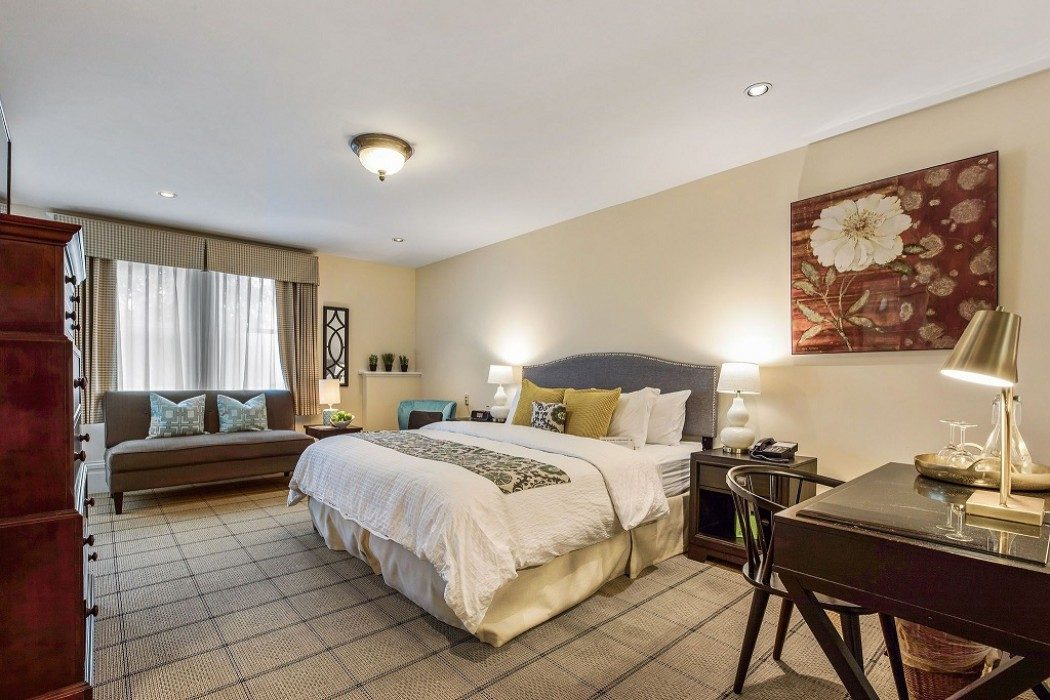
If you want to actually be inside the neighborhood rather than commuting into it each evening, Parker Guest House is the standing recommendation. It's an adults-only inn with 21 rooms, gay-owned and long-established, and walkable to every single thing on this list — you could leave the flag on foot in the morning and be back at the bar with the best balcony view by midnight without touching a car or a rideshare app. Book individual rooms rather than trying to hold the whole property as one group block; it isn't set up for that kind of reservation.
For anything outside that footprint — a different price point, a different part of the city, or dates when the guest house is full — start with the San Francisco hotel search and work outward from there.
Practical Notes
Getting there and around: the underground light-rail station empties directly into Harvey Milk Plaza, which is the easiest orientation point in the neighborhood — from there, everything on this list is within a fifteen-to-twenty-minute walk. You won't need a car, and given the construction around the plaza, you may find walking the last stretch simpler than expecting a smooth rideshare drop-off right at the flag.
Cash: most bars and restaurants here run on card like anywhere else in the city, but it's worth carrying some cash for tips, especially at the smaller, older bars where a card minimum or a cash tip jar is still the norm. Nobody will be surprised if you tap to pay, but nobody will be surprised by cash either.
Timing: do the plaza, the Rainbow Honor Walk, Pink Triangle Park, and the museum in daylight — they're outdoor or small-footprit stops that don't need a crowd or a night out to work. Shift to the bars and Starbelly or Blind Butcher for dinner in the early evening, then let the night run toward Badlands or The Café's balcony if dancing is the goal. Weekend nights are noticeably busier and cover charges are more likely to apply at the dance bars; a weeknight visit gets you the same neighborhood with none of the queue.
Budget: the free tier — the plaza, the Honor Walk, Pink Triangle Park — costs nothing and is worth doing regardless of what else is on your itinerary. Bars run inexpensive to moderate with no cover most nights, more on weekends at the dance venues. Dinner spans moderate (Starbelly) to a proper splurge (Blind Butcher, Poesia), and the Castro Theatre's ticket price depends entirely on what's booked that night. None of it requires a big budget to get the real version of the neighborhood — the free, outdoor half is arguably the most essential part of the visit.
For the rest of the city beyond this one neighborhood, the San Francisco guide is the place to keep planning from.
Gallery
Castro in pictures
Castro — your questions
Is Harvey Milk Plaza still worth visiting during the construction?
Yes — the $25 million redesign runs through 2026 into 2028, but the flag and the crosswalks stay open throughout, so you can still stand at the neighborhood's central point even with fencing and scaffolding around it.
Can I still watch a movie at the Castro Theatre after the 2026 restoration?
Not in the classic sit-down sense. The $41 million restoration removed the main-floor seating in favor of a flexible standing space for concerts and comedy, so check what format the specific event uses before you book.
Which Castro bars are actually good for a group versus a couple?
Twin Peaks Tavern, Moby Dick, Badlands, The Café, and Hi Tops all welcome groups comfortably. Anchor Oyster Bar is the one exception among the restaurants — it's a tiny room better suited to two people than a party.
Do I need to book Poesia Osteria Italiana through OpenTable?
No — Poesia dropped OpenTable in mid-2026, so reservations, including for groups, now go through the restaurant's own website only.
Where should I stay if I want to be inside the Castro itself?
Parker Guest House is the standing recommendation: a 21-room, adults-only, gay-owned inn within walking distance of everything in this guide. Book individual rooms rather than a group block, since it isn't designed for large-party bookings.