The San Francisco issue
Haight-Ashbury, San Francisco: the neighbourhood guide
A block-by-block walk through Haight-Ashbury in 2026 — the corner, the record store, the parks, and the bars that actually earn a stop.

By Jonas BakkerThe city's hills, fog and neighbourhoods, one route at a time
Haight Street runs a little over a mile from the eastern edge of Golden Gate Park down to Divisadero, and somewhere around Ashbury Street it stops being a street and starts being a myth. Sixty years on from the Summer of Love, the neighbourhood hasn't been embalmed for tourists — it's a working commercial strip where a used bookstore still sells anarchist pamphlets a few doors from a serious cocktail bar, and where a bench in a Victorian-era park happens to have one of the best views in the city. Here's the walk, block by block, of what's actually worth your time in 2026.
Geographically, \"the Haight\" splits into two stretches that feel different by design. Upper Haight — nearer Golden Gate Park, roughly from Stanyan Street to Cole — is where most of the shops, the gallery, and the bookstore sit, all within a few minutes' walk of each other. Lower Haight, down toward Divisadero, is quieter and more residential, with its bar scene doing most of the talking. Neither half takes more than fifteen minutes to walk end to end, so this whole guide is realistically a single afternoon and evening, not a multi-day itinerary.
Ground Zero: The Corner and Its Icons
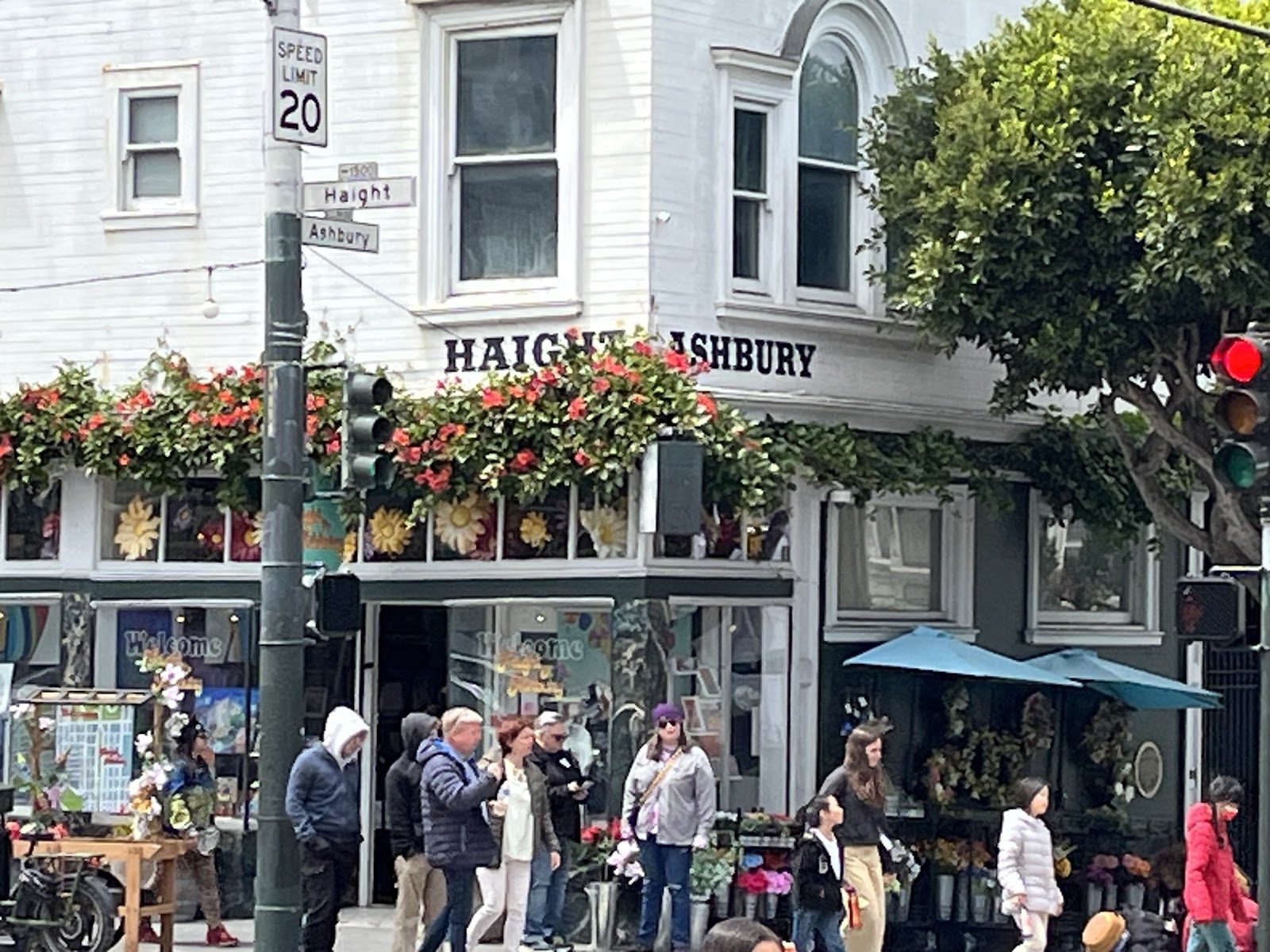
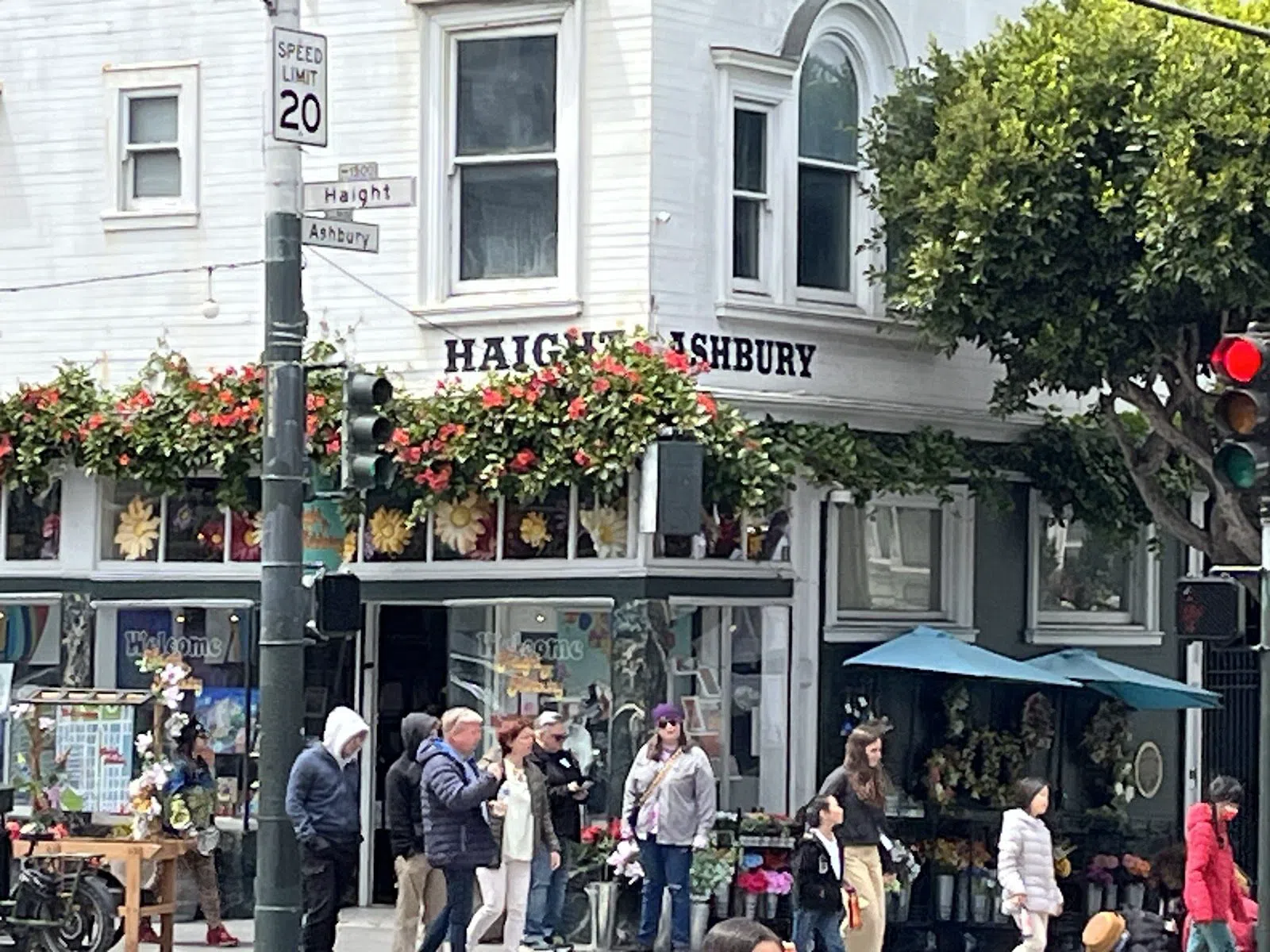
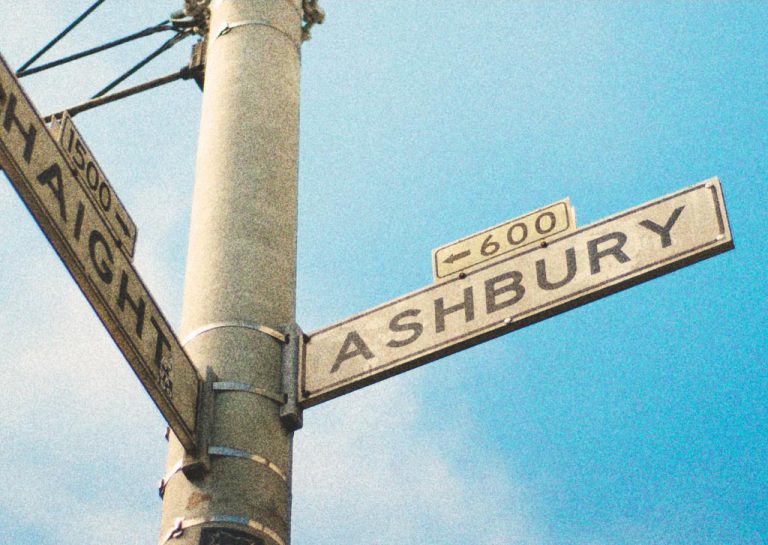
Start where everyone starts. The Haight & Ashbury Intersection (Upper Haight) is just a street corner — no gate, no ticket, no line — but it's the literal ground zero of 1967's Summer of Love, and it's still the obligatory first photo for anyone visiting the neighbourhood. Don't linger too long, though; it's a corner, not a destination, and the good stuff is on either side of it. It works fine for any size group since it's open pavement, though rush-hour foot traffic can make photos awkward in the early evening.
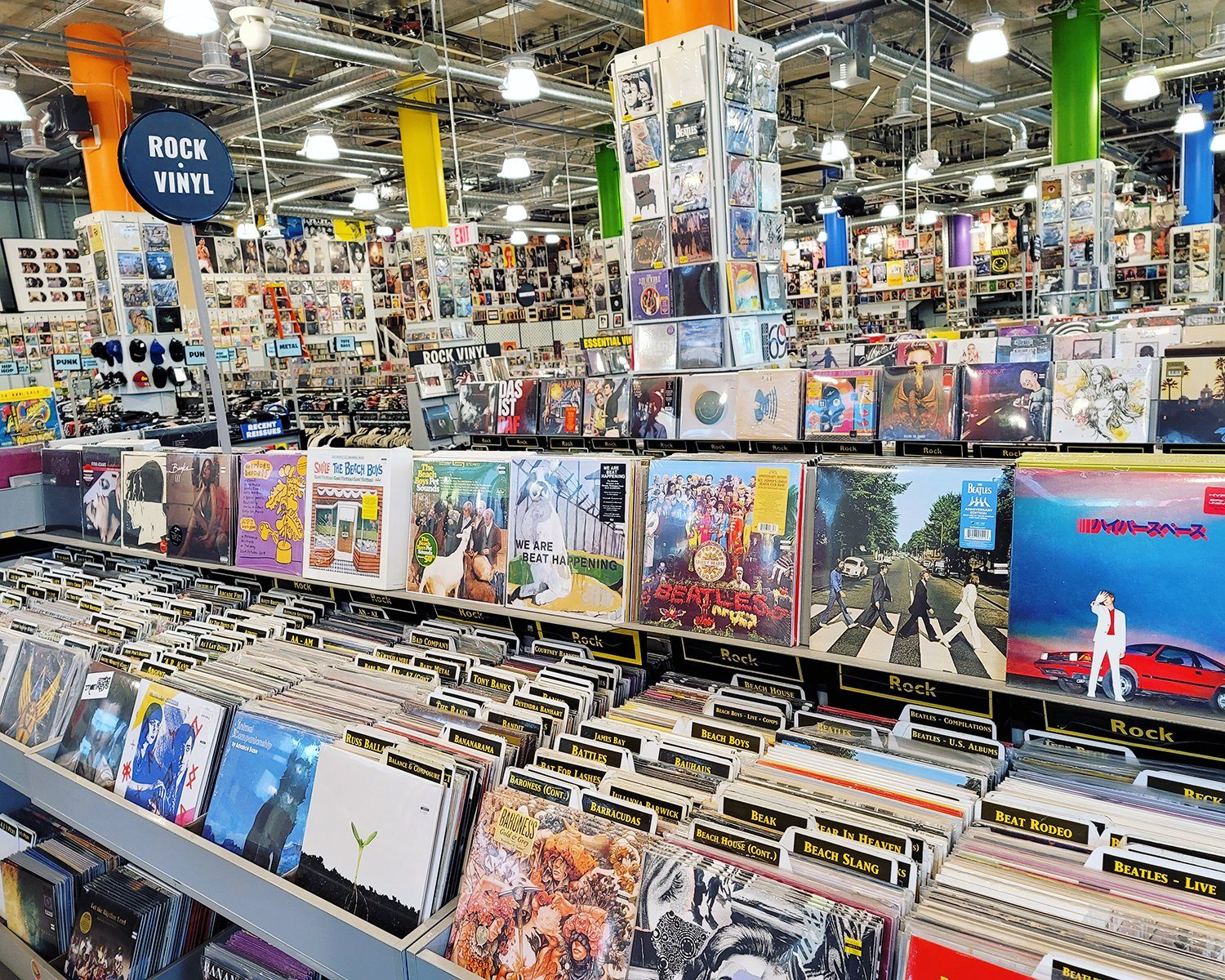
A block or so down is Amoeba Music (Upper Haight), billed as the world's largest independent record store and the anchor of the entire Upper Haight retail strip. It's free to browse, no booking needed, and it swallows crowds without difficulty — this is a good stop for groups who want to split up for twenty minutes and regroup. Even if you don't buy vinyl, the sheer scale of the place, plus its listening stations and history of in-store events, makes it worth the detour.
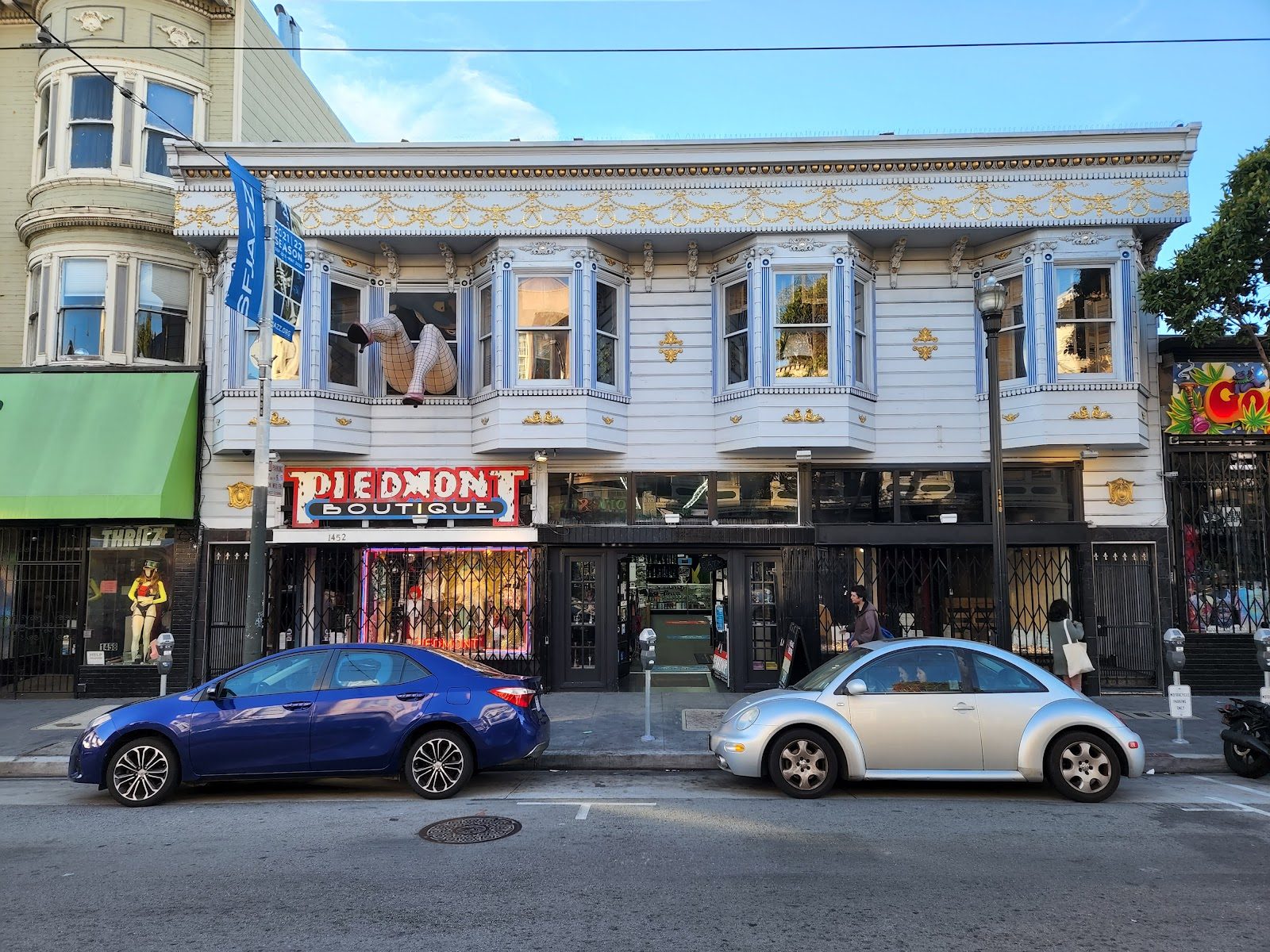
Almost next door, the Piedmont Boutique (Upper Haight) is one of the most photographed storefronts on the whole street — a small shop that's been making its own outrageous, feather-and-sequin fashion since the 1970s. It's free to browse, though the aisles are tight, so this one suits couples or pairs peeling off from a bigger group rather than five people trying to move through at once. Costumes and lingerie run mid-range; nobody's going to pressure you to buy, but don't expect to browse unnoticed in a shop this small.
Plan your San Francisco trip
Live prices from our booking partners.
Free cancellation on many rooms. We may earn a commission when you book.
The Neighbourhood's Memory: Where the History Actually Lives
The intersection sells you the postcard version of the Haight; these two places sell you the real one.
The Haight Street Art Center (Upper Haight) is free to enter and offers private tours for groups who book ahead — genuinely useful if you're travelling with people who want context rather than just a photo. Through 20 September 2026 it's running \"Forever Grateful,\" a major Grateful Dead retrospective, which makes 2026 a particularly good year to time a visit here if you have any interest in the band or the era. It's a proper gallery, not a gift shop with a few posters on the wall.
Bound Together Books (Upper Haight) is the other half of that same honesty. It's been running since 1976, and unlike a lot of what's around it, this isn't a themed reproduction of counterculture — it's an actual surviving piece of it, a worker-run anarchist bookstore that never stopped being what it originally was. It's a small shop, fine for individuals or small groups to browse, and everything in it, from the books to the zines, is cheap. If you only have time for one stop that tells you what the neighbourhood believed in rather than what it looked like, make it this one.

Above the Street: Two Green Spaces
The Haight sits right against Golden Gate Park, and two green spaces are worth building time around.
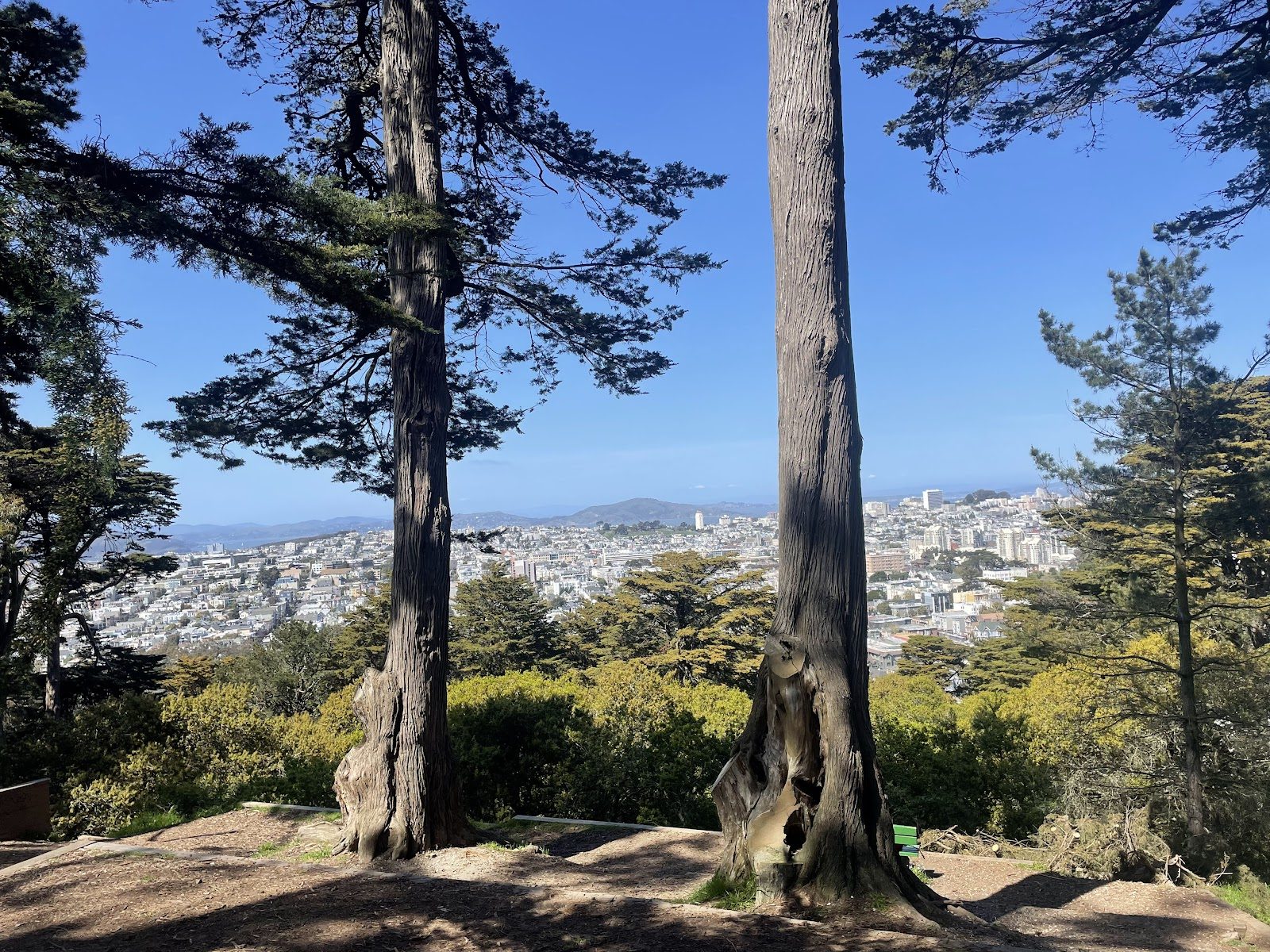
Buena Vista Park (Upper Haight) is San Francisco's oldest official park, rising steeply on the hill just above Haight Street itself. It's free, open to the public, and good for groups, though the paths are genuinely steep in places — wear shoes you can walk in, not sandals. The reward is a quiet, tree-covered counterpoint to the street below and, from the right spot near the top, a proper view over the city. It rarely gets crowded, which after an afternoon on Haight Street's retail strip is sometimes exactly what you want.
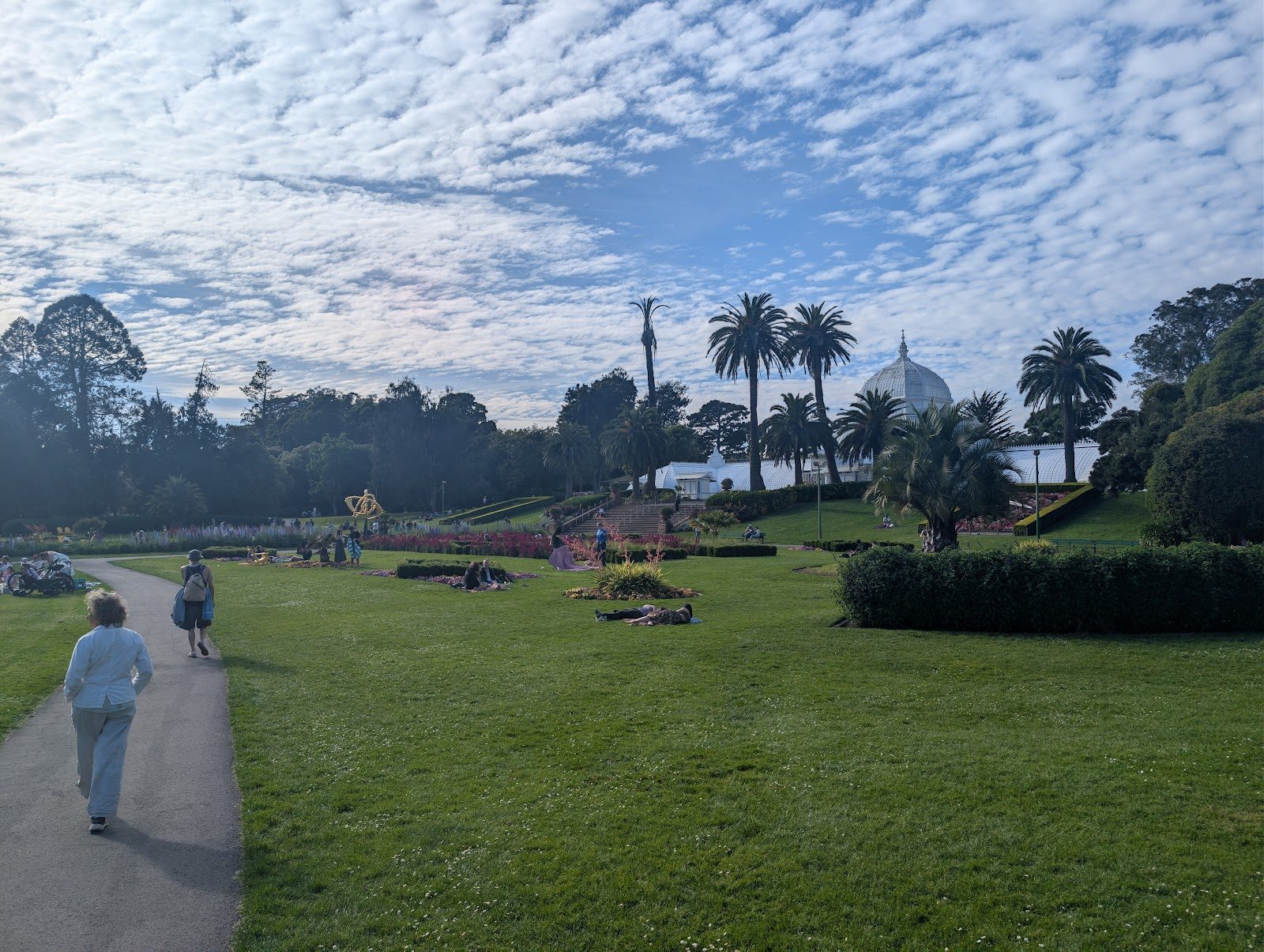
Hippie Hill, inside Golden Gate Park itself, is the other side of that coin — an open public lawn, free, informal, and very much alive on any warm weekend. This is literally where the Summer of Love crowds spilled out of the neighbourhood and into the park, and on a sunny Saturday or Sunday it's still that same scene: drum circles, picnics, people just lying in the grass. It's fine for groups and there's no door policy to worry about, but go with realistic expectations — it's a lawn full of strangers, not a curated attraction, and it's considerably livelier on weekends than on a Tuesday afternoon.
Drinking Your Way Down Haight Street
The street's bar scene runs from big, easy, group-friendly rooms near the top to small, intimate ones further down, and it's worth knowing which is which before you plan an evening around it.
Magnolia Brewing (Upper Haight) is the neighbourhood's flagship reopening story: it's been on this corner since 1997, spent decades under a corporate parent, and went locally owned again in December 2025. It takes walk-in groups easily, with high-top and communal seating built for exactly that, and sits in the $$ range. This is your safest bet for a group that wants beer and food without a plan.
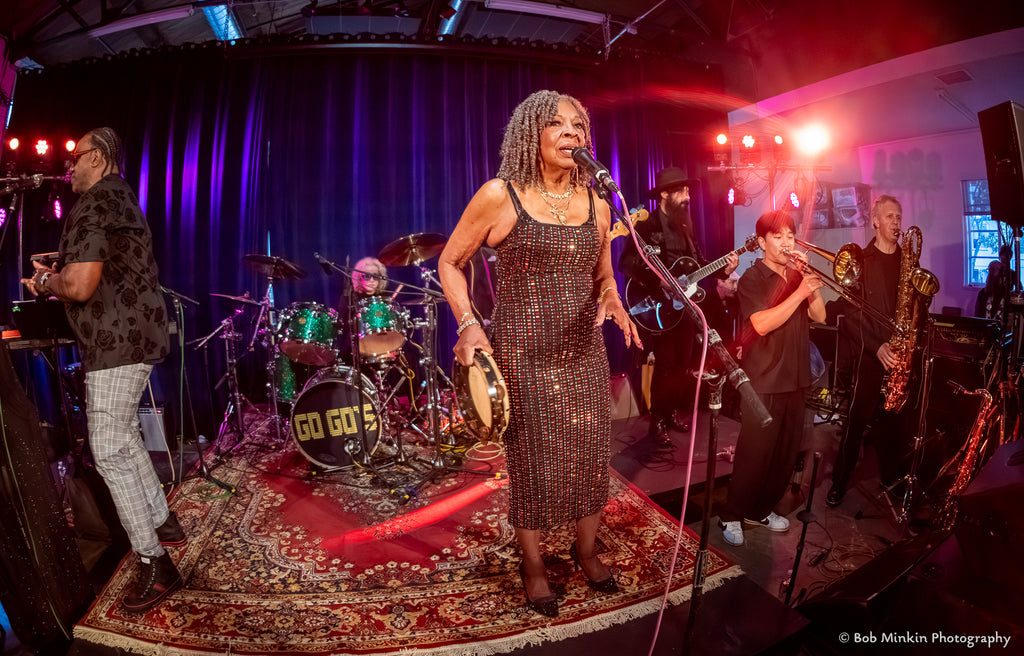
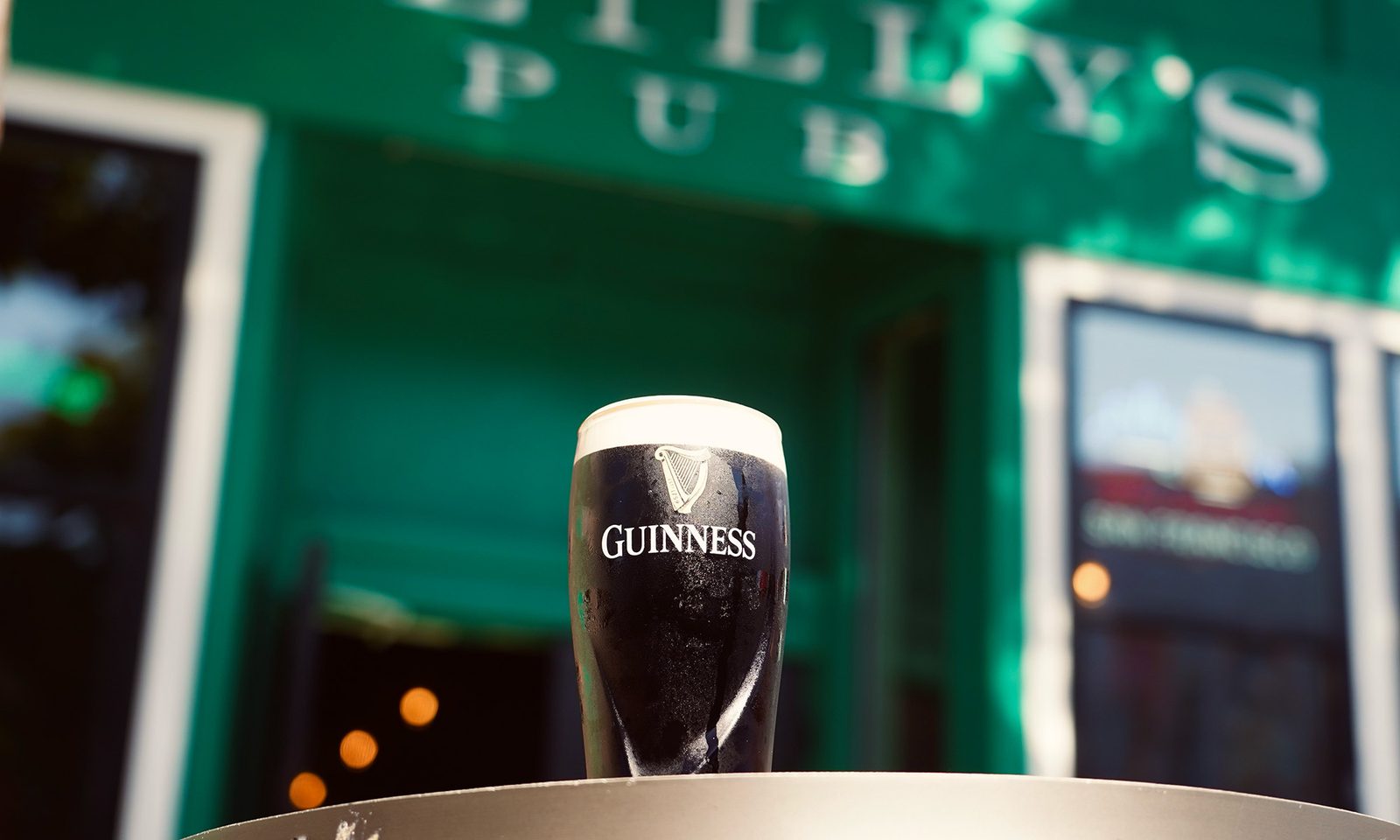
O'Reilly's Pub (Upper Haight) is newer but already a fixture — opened by a Dublin native in 2024, it's become one of the anchors of the street's revival, with live music and events most nights of the week: sessions, trivia, comedy. It welcomes groups and sits at $$. If you want an evening with a bit of structure to it — a quiz, a band, something to do rather than just sit and talk — this is the one to check the schedule for.
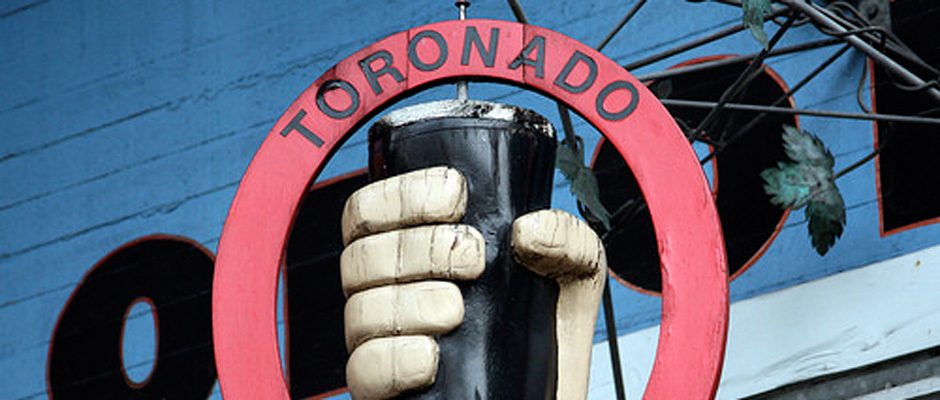
Further down, Toronado (Lower Haight) is the district's beer temple, a craft-beer pioneer since 1987 that just changed hands in 2026 to a regular patron — with, notably, no changes to the beer-first ethos that built its reputation. It's standing room only, it gets genuinely packed, and it is not the place for a large seated group; go as a pair or a small crew who don't mind holding your pints.
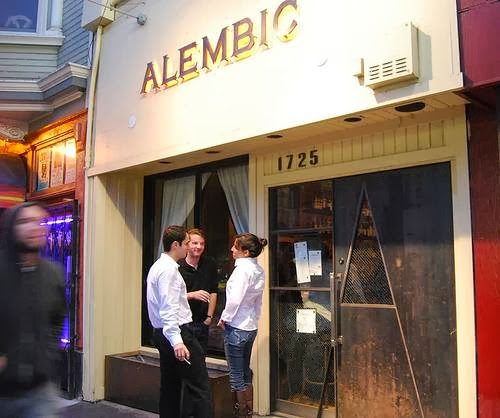
For something more considered, The Alembic (Haight Street) has been setting the standard for craft cocktails in San Francisco for twenty years now — it's one of the foundational bars of the city's 2000s cocktail movement and it hasn't coasted since. It takes reservations, which is worth using for a small group, and sits in the $$$ range; it's closed Monday and Tuesday, so don't build a Monday-night plan around it.
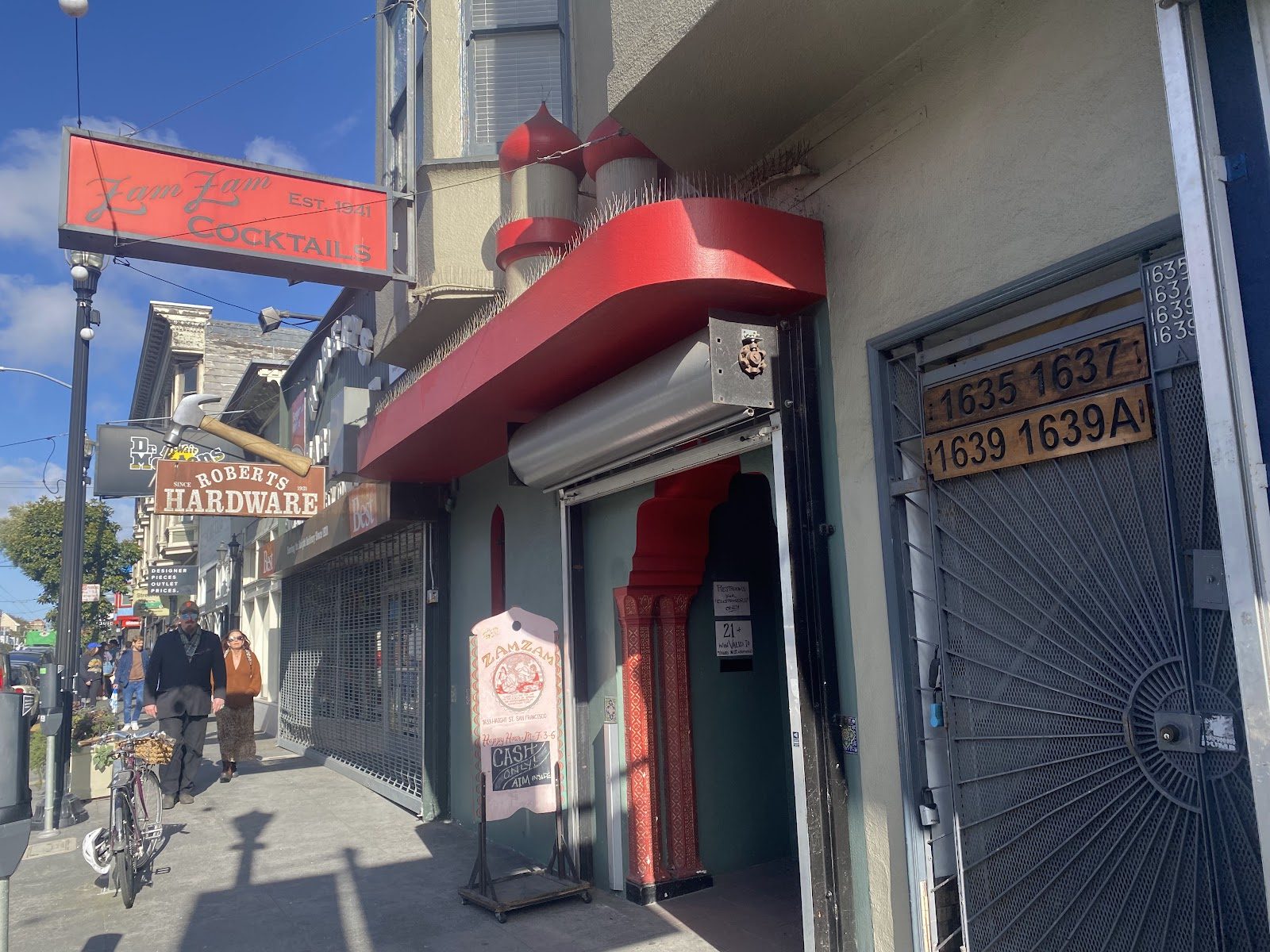
And then there's Zam Zam (Haight Street), open since 1941, cash-only, and about as unapologetically eccentric as a cocktail lounge gets — this is a genuine time capsule, not a bar built to look like one. It's small and intimate, and it suits pairs far better than a big party; bring cash, because that's genuinely all they take.
Eating: Chaat and Caribbean, Old and New
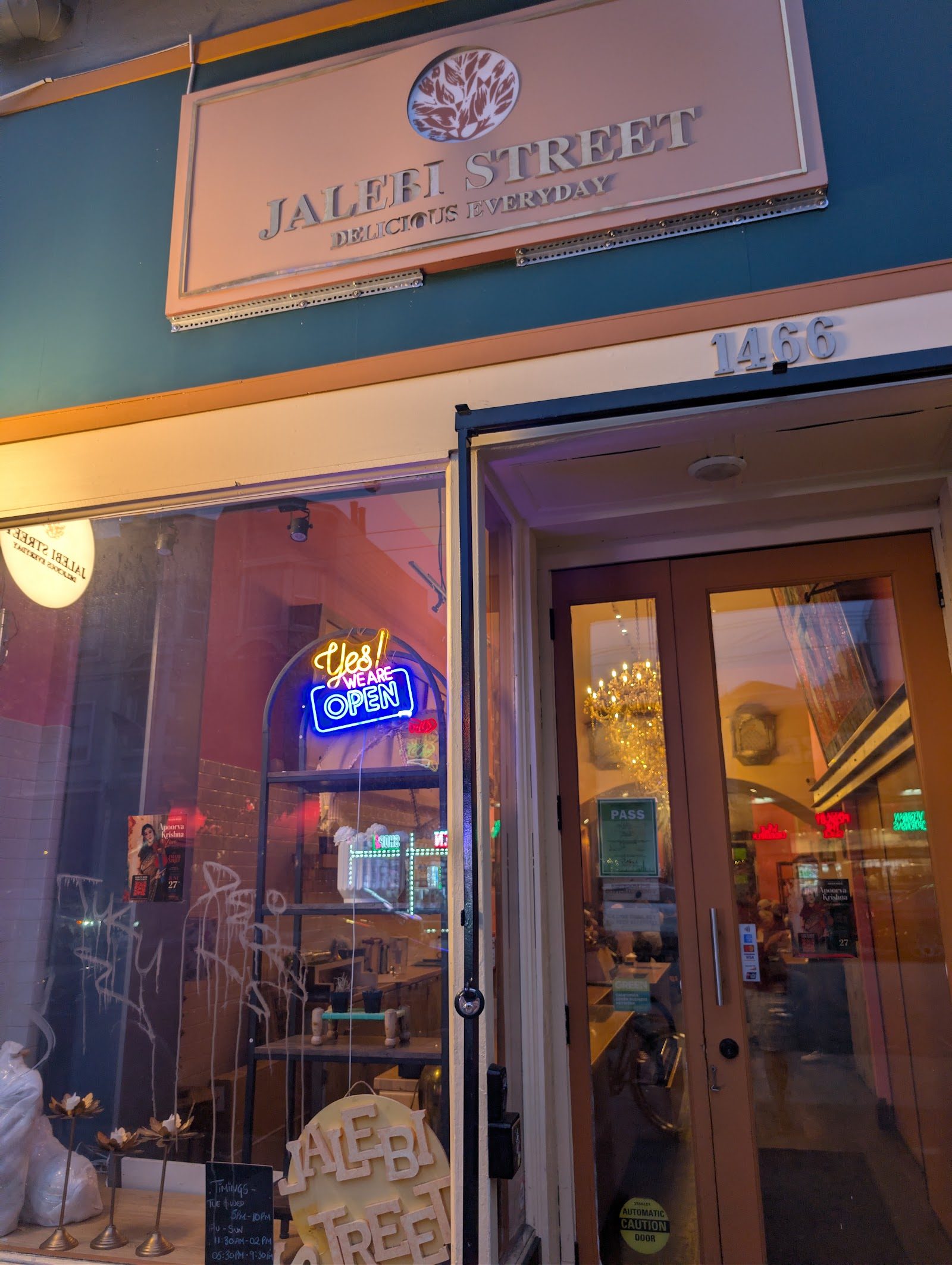
Jalebi Street (Haight Street) is exactly the kind of new independent kitchen that's driving the neighbourhood's food revival — a fully vegetarian Indian chaat spot, genuinely good, in a small space that suits couples or small groups better than a crowd. Takeout is available if you'd rather eat in Buena Vista Park or on a bench near the intersection, and it's priced at $, so it's a good stop to fuel a long afternoon of walking without much dent to the budget.
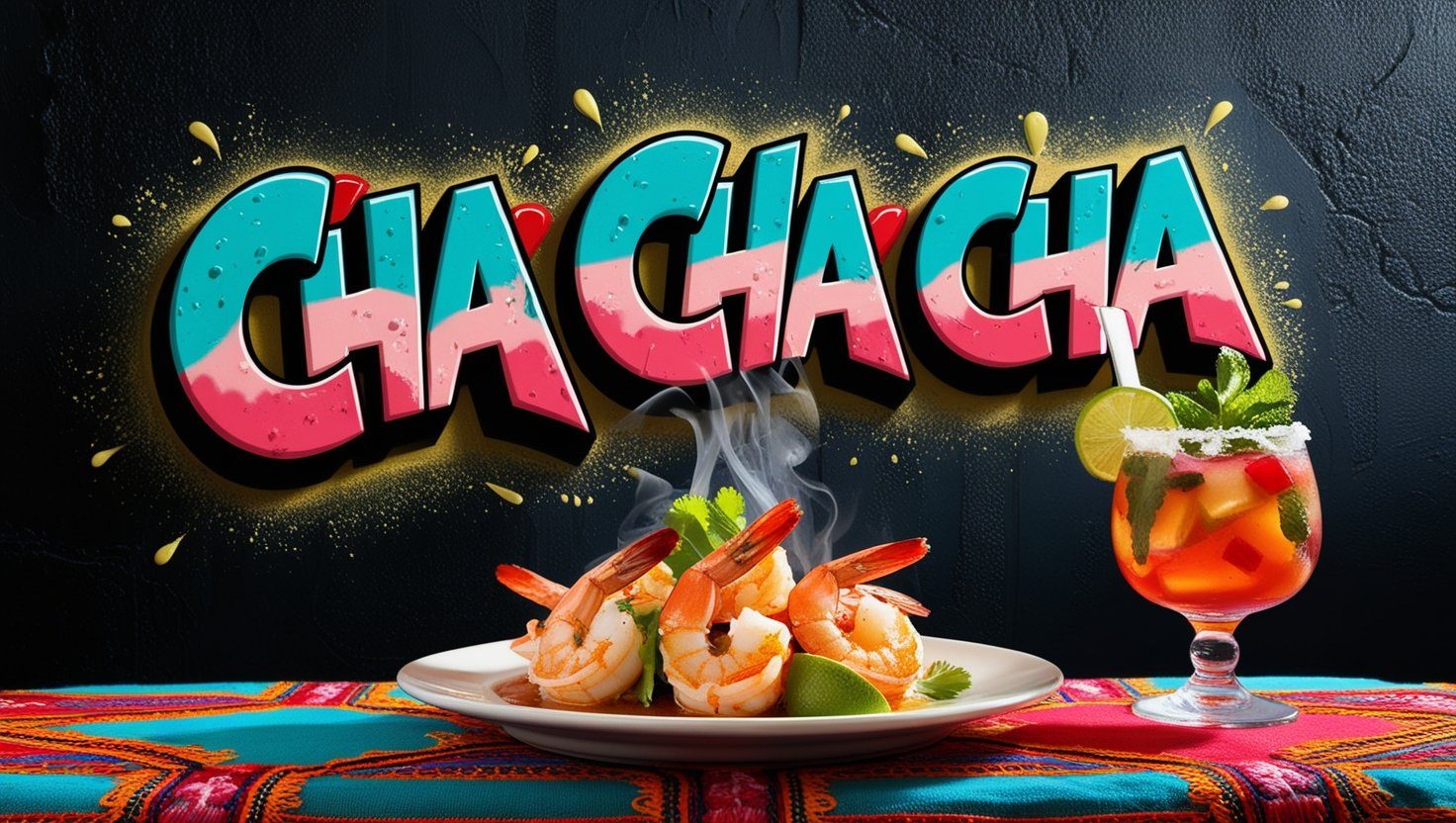
Cha Cha Cha (Haight Street) is the older story here — a Caribbean and tapas restaurant that's been going since long before most of what's around it, and one that, notably, outlasted its own Mission District branch, which closed after 25 years in 2026. This original Haight Street location — the one that started it all — is still going strong. There are no reservations, so expect a wait on busy nights; it's fine for groups who don't mind queuing, and it runs $$.
Where to Stay: Inside the Neighbourhood Itself
Most visitors base themselves elsewhere in the city and treat the Haight as a day trip, but there's one proper option for staying inside it. Stanyan Park Hotel (Upper Haight) is the only heritage stay actually inside the neighbourhood — a 36-room boutique hotel on the National Register of Historic Places, literally a minute's walk from both Haight Street and the Golden Gate Park entrance. Rooms start around $200 a night, putting it at $$$, and groups wanting a block of rooms should contact the hotel directly rather than booking individually online. For anyone who wants to walk out the door straight onto Haight Street rather than commute in for the day, this is the one worth calling ahead for. If you'd rather compare it against options elsewhere in the city, start with the San Francisco hotel search.
Practical Info
Getting there and around: The Haight is well served by Muni buses — the 6, 7, 33, 37, and 43 all run through or near it, and the N Judah light rail stops within walking distance at Cole Valley. It also sits directly against Golden Gate Park, so if you're already spending a day in the park, the Haight is a natural add-on rather than a separate trip. Street parking is scarce and metered; if you're driving, budget extra time to find a spot, or park near the park and walk in.
Cash and cards: Most of the street runs on cards now, but Zam Zam is a hard exception — cash only, no workaround, so keep some on hand if that's on your list.
Timing: Daytime is for the shops, the bookstore, and the gallery — Amoeba, Piedmont, Bound Together, and the Art Center all keep standard retail hours. Evenings shift the street's character toward the bars, with O'Reilly's and Magnolia the easiest to walk into without a plan. Weekends bring Hippie Hill properly to life; go on a weekday afternoon instead if you'd rather see the park quiet.
Budget: You can spend a full day here for close to nothing — the intersection, both parks, and browsing Amoeba, Piedmont, and Bound Together are all free. Add a $ chaat lunch at Jalebi Street and a $$ pint at Magnolia or Toronado, and you're still under $50 for the day before a hotel room enters the picture. The Alembic and Stanyan Park Hotel are where the spend goes up, and both are worth it if they fit the trip.
For more on the rest of the city beyond this one stretch of street, see the full San Francisco guide.
Gallery
Haight-Ashbury in pictures
Haight-Ashbury — your questions
Is the Haight-Ashbury intersection worth visiting if I'm not into 1960s history?
Yes, but budget five minutes there and spend the rest of your time at Amoeba Music, the Haight Street Art Center, or Buena Vista Park — the corner itself is just a photo, the neighbourhood around it is where the substance is.
How much time should I set aside for the Haight?
A single afternoon and evening covers it comfortably — Upper and Lower Haight are each about a fifteen-minute walk end to end, so you can shop and sightsee by day and move into the bars by night without rushing.
Do I need reservations anywhere?
Only at The Alembic, which is worth booking ahead for a small group. Everywhere else — Magnolia Brewing, O'Reilly's Pub, Toronado, Cha Cha Cha — is walk-in, though Cha Cha Cha and Toronado can mean a wait or standing room on busy nights.
Is Zam Zam really cash-only?
Yes — it's been that way since 1941 and shows no sign of changing, so bring cash if it's on your list.
Where's the best base if I want to stay right in the neighbourhood?
Stanyan Park Hotel is the only heritage option actually inside the Haight, a minute from both the street and the Golden Gate Park entrance; for anything else, compare it against the wider city market via the San Francisco hotel search.