
At nine on a July Saturday the car park above the Sutro Baths sits at about 55°F and the Pacific is invisible from fifty feet away. Twenty-five minutes east, people in the Mission are on a roof in shirtsleeves, squinting, ordering a second round in the high seventies. San Francisco is seven miles square and holds both of those facts in the same hour, every summer, which turns the city's most tedious weather complaint into its most reliable one-day itinerary.
The fog takes a route you can plan around
The mechanism is simple enough to explain while you walk. Inland California bakes through the summer, the hot air over the Central Valley rises, and cool marine air gets drawn in to replace it. The coastal hills block that air almost everywhere along this stretch of coast, except at one sea-level gap, the Golden Gate, and at a lower saddle in the hills behind the Sunset. The marine layer pours through both, lands on the western edge of the city first, and thins as it travels east until the hills above the Mission stop it altogether.
That western strip (Lands End, the Outer Richmond, the Outer Sunset, the seaward third of Golden Gate Park) is what locals call the fog belt, and in July it genuinely runs 15 to 20°F colder than the Mission at the same minute. Two things follow. First, the foggiest season is the busiest one: June through August is the grey stretch, and September and October are the clear, warm weeks the postcards were actually shot in. Second, the gradient is geographic rather than chronological. You do not wait for the weather to improve. You move east until it does.
So this day runs west to east on purpose. It starts cold, ends warm, and leans on free or cheap stops so you can drop any of them without losing money. If you want the standard sights alongside it, the San Francisco guide covers the ground this piece skips.
One scheduling note before you commit. Monday takes out two stops below, the de Young tower and the Mission rooftop, so run this on a Tuesday to Sunday. And if you arrive to a clear, windless 70°F day in late September, nothing here is wasted; you just get the same walk with a view.
Begin in the murk at Lands End
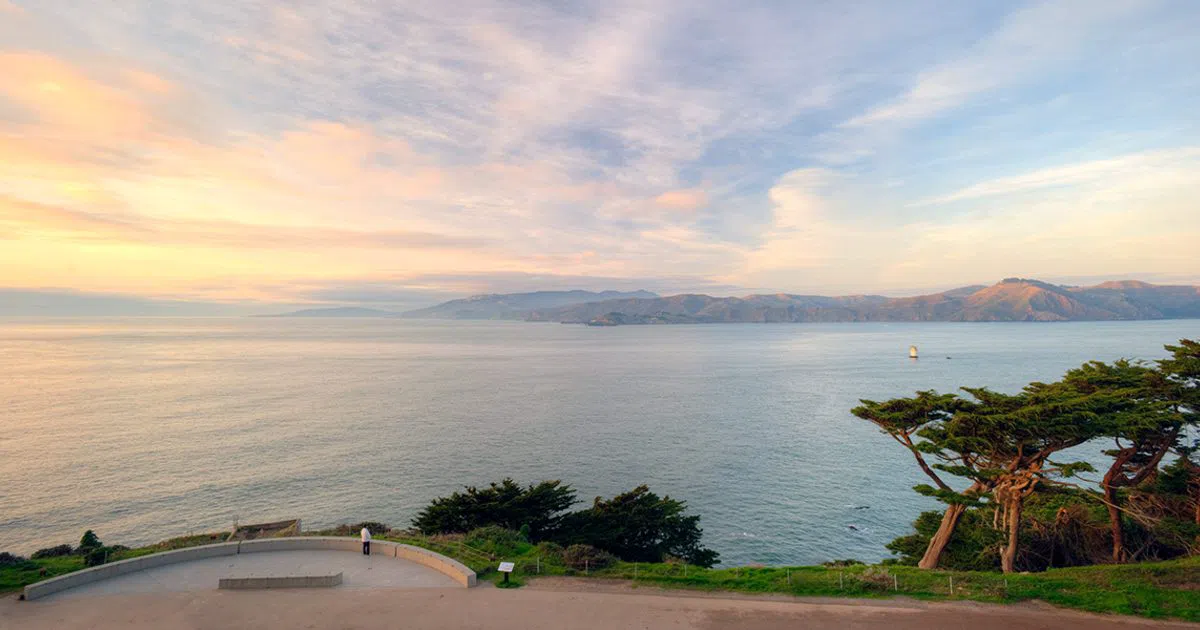
Lands End Trail & Sutro Baths Ruins (Lands End, the city's north-west corner) is the correct opener, and you should want the fog here rather than tolerate it. This is a free National Park Service site: a clifftop trail along cypress and wind-bent scrub, dropping to the concrete bones of Adolph Sutro's vast glass-roofed saltwater baths, which opened in the 1890s and burned in 1966. The ruins look better in murk than in sun. Half-seen arches and a seawall you can hear but not see do more for the place than a blue sky ever manages.
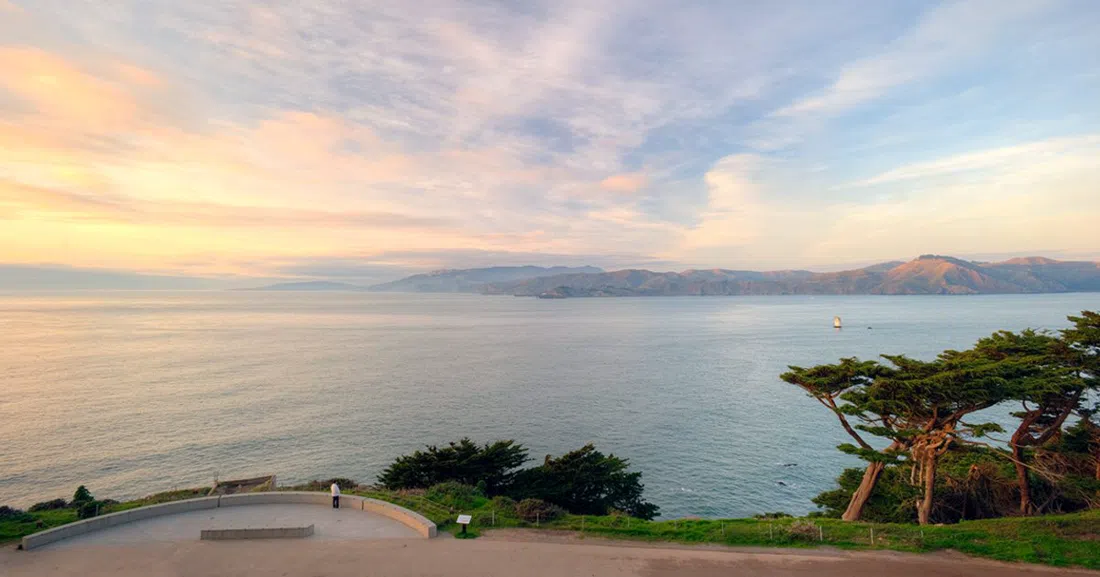
Practically: the trail is unrestricted and takes any group size, and the Lands End Lookout visitor centre is open daily 9am to 5pm with restrooms and parking, which makes it the sensible meeting point if you are organising more than a couple of people. Parking is free but fills by 10am at weekends. The 38 Geary runs out to within a short walk, and the 18 46th Avenue skirts the coast if you are coming up from the Sunset. Wear something with grip. The lower slabs are wet, there are no railings, and people get into trouble there at high tide; stay on the marked paths and look at the ruins from above.
Do not plan food here. The Cliff House directly above has been closed for restoration with no settled reopening, and there is nothing else within easy reach. Breakfast is the next stop.
Coffee that exists because of this weather
Head south down the coast to Andytown Coffee Roasters (Outer Sunset, 3655 Lawton Street), open daily 7am to 5pm, $5 to $8 a drink. This has been the Outer Sunset's own roastery since 2014, and the thing to order, the Snowy Plover (espresso over sparkling water and ice with a cap of cream), is a genuine local invention rather than a prop for visitors. Drinking a cold one while the fog drips off the power lines outside is the entire point; the contrast is the flavour.
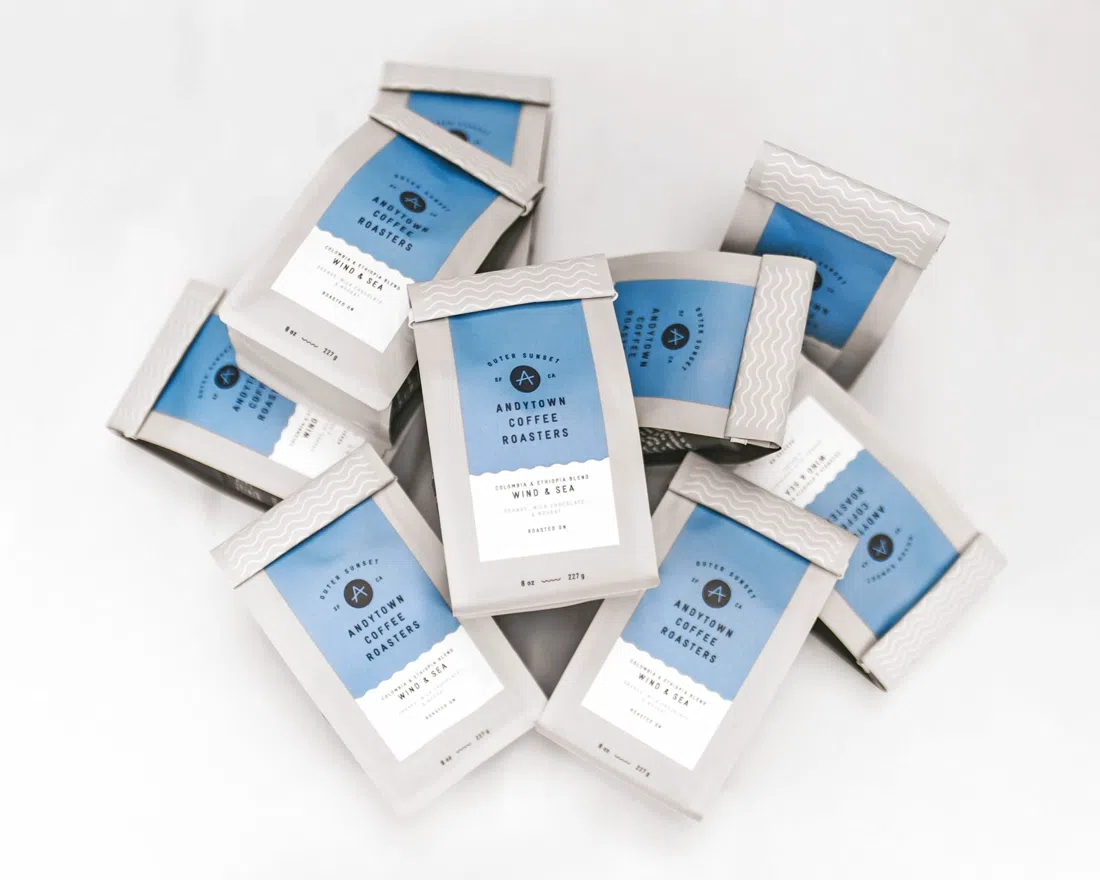
The original shop is small. Four or five people is fine, a tour party is not, and the roastery's larger branches elsewhere in the city absorb bigger groups far better. If you are eight-strong, split the order and stand on the pavement. Nobody will mind, and that is what everyone else is doing.
The Outer Sunset eats better than its weather suggests
This is where a visitor's assumptions usually break. The cold side of town has the better lunch.
Outerlands (Outer Sunset, three blocks from Ocean Beach) carries a Bib Gourmand in the 2026 Michelin Guide and functions as the anchor restaurant of the fog belt. The room is lined with reclaimed shipwreck timber, there is usually something warm in a cast-iron pan on the table, and the whole design logic exists because it is cold and wet outside. It changed hands in 2022 and by most accounts came out of it better. Be realistic about access: weekend brunch runs 9.30am to 2pm, is walk-in only, caps parties at eight, and the queue is real. Dinner, nightly 5pm to 9.30pm with mains roughly $26 to $38, takes online reservations, so if you are six or more, book dinner and reshuffle this day to finish rather than start in the Sunset.

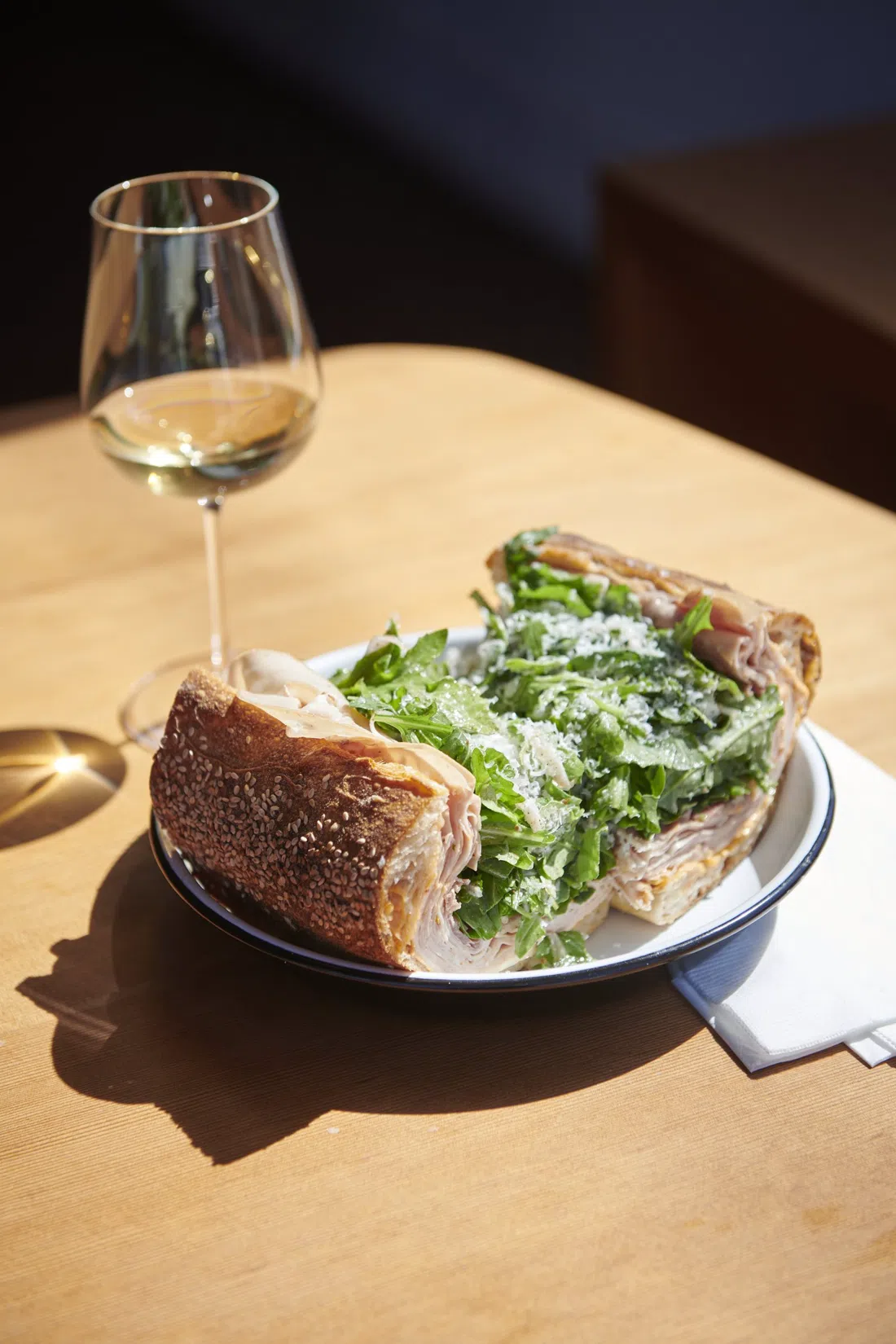
For a walk-in lunch that works for groups, go to Palm City (Outer Sunset) instead: a natural wine bar with a serious sandwich counter, open seven days, no reservations, with a small room and sidewalk seating that handles up to about eight. Hoagies land around $16 to $20, bottles run from roughly $23 to $300, and corkage to drink in is $15. Eating an enormous sandwich outdoors in a jumper in August is the most Outer Sunset thing available, and a bottle to take away makes this the obvious provisioning stop before the beach.
One building, two climates
Now the hinge of the day. Beach Chalet & Park Chalet (Ocean Beach, at the western end of Golden Gate Park) is two halves of one operation under a single roof, and it is the one venue in the city where you can watch the microclimate change by walking through a building.

The Beach Chalet side faces the Pacific across the Great Highway: windblown, grey, loud. Walk through to the Park Chalet side and you are on a lawn in the lee of the park's tree belt, which is routinely still and sunny while the ocean room thirty metres away is socked in. Do it slowly and you will feel the air change temperature. Nothing else on this list demonstrates the whole premise so plainly.
Hours differ between the two: Beach Chalet is Monday to Friday 11am to 9pm and 10am to 9pm at weekends; Park Chalet is Monday to Friday noon to 7pm, Saturday 10am to 7pm. House-brewed pints are around $8 and mains run roughly $20 to $32. It is a large-format venue that genuinely takes big parties and private events, which makes it the easiest booking of the day for a group, though weekend brunch needs reserving ahead. The operation marks 30 years at Ocean Beach in 2026, and the 1930s WPA murals downstairs are worth ten minutes even if you do not eat.
Four weather systems from 144 feet up
From the chalets, work east through the park to the Hamon Observation Tower at the de Young Museum (Golden Gate Park), which is the single best piece of value in this city. The deck is 144 feet up, glazed on all sides, has lift access, and costs nothing. You need no ticket, even though the galleries below are separately ticketed at about $20 to $25.
What you get is the whole argument in one glance: a wall of fog standing over the Sunset behind you, clear sky over downtown and the bay ahead, the Marin hills doing their own thing to the north. On a good afternoon you can see four distinct weather systems at once and finally understand the shape of what you have been walking through.
The constraints catch people out, so note them. Open Tuesday to Sunday 9.30am to 5.15pm, late to 8.45pm on Friday, closed Mondays. Admission to the tower itself usually stops around 4.30pm regardless of the posted closing time. Slot it mid-afternoon. Groups can go up in waves; it is a lift and a modest deck, not a viewing platform built for coaches.
Where the marine layer comes through the gap
Presidio Tunnel Tops (Presidio) is the city's best new public space and a free, open-daily stop with no tickets or reservations required. It is fourteen acres of meadow and bluff laid over the parkway tunnels, looking straight at the Golden Gate Bridge, which is to say straight at the gap the fog uses. Stand here on a summer afternoon and you are often in full sun watching the bridge towers get swallowed from the seaward side, the marine layer sliding through the gate below you like something poured.
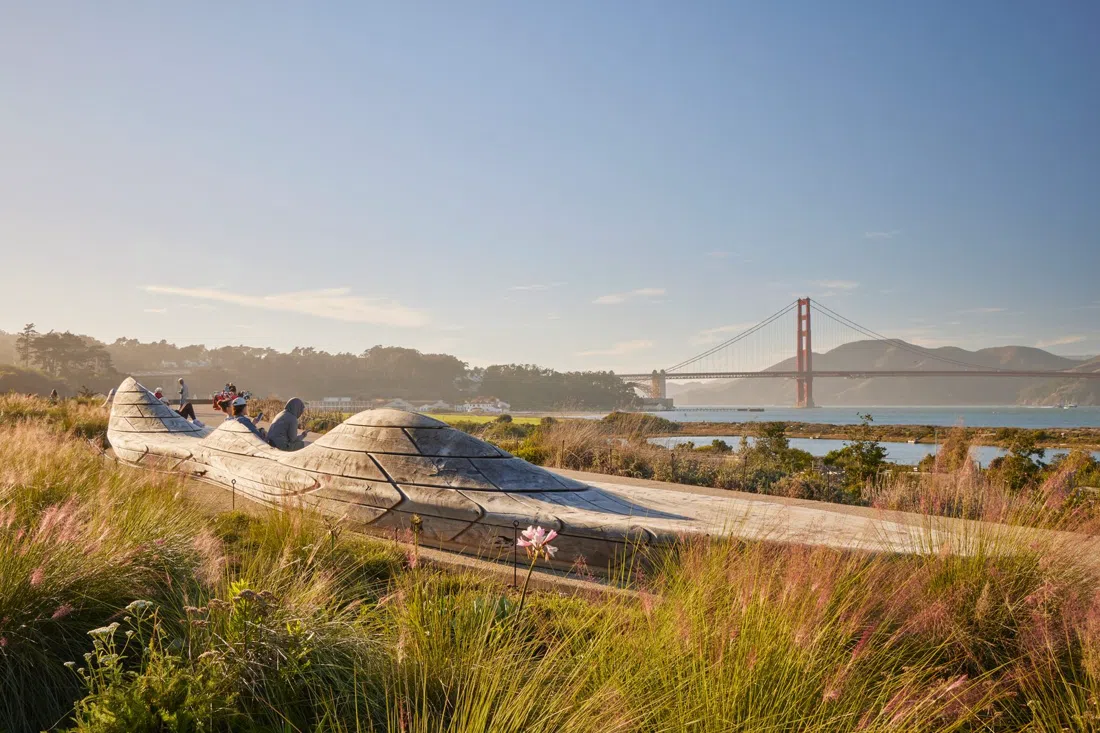
It is also the most group-friendly stop on the list by a distance: reservable Picnic Place tables with built-in charcoal grills, rentable lawns, accessible restrooms and parking, and food trucks at around $15 to $20 a head. Reserve a table if you are more than six. Personal grills and camping stoves are banned, so use the ones provided. The Visitor Center, the Outpost playground and the Field Station each keep their own hours, and Il Parco at the nearby Transit Center is the sit-down option if the weather turns and you want walls.
Finish warm on a Mission roof
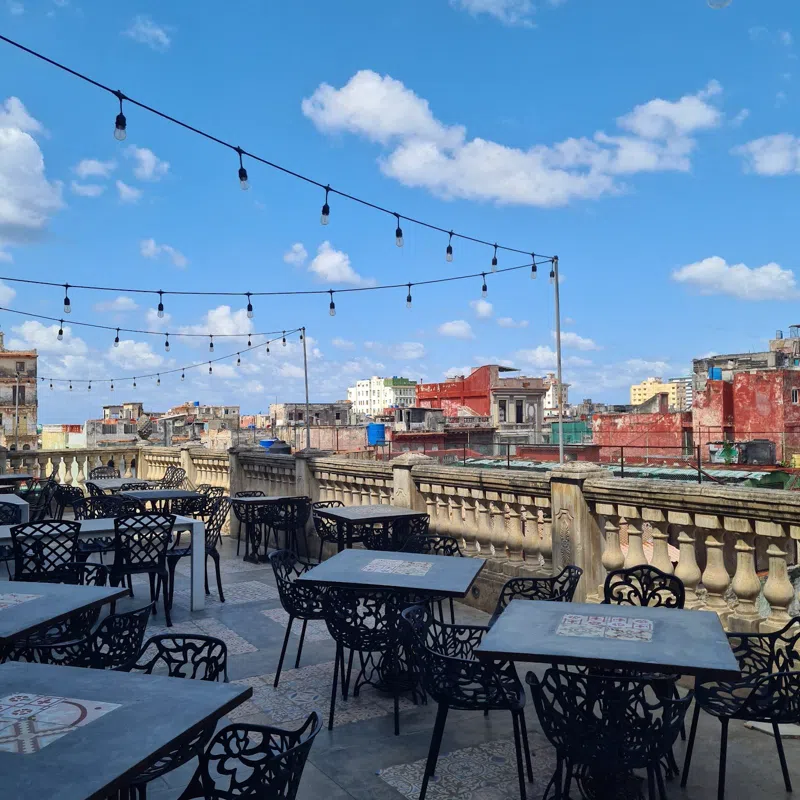
End the day by cashing in the temperature gradient. Cubita (Mission) is the landmark rooftop above Valencia Street under its current name. El Techo de Lolinda closed after twelve years and the same ownership relaunched the roof with Cuban cooking, so use the new name or you will get confused looks. Cocktails run about $16 to $19 and plates $18 to $30; it is open Tuesday to Thursday 4pm to 10pm, Friday 4pm to midnight, Saturday 11am to midnight and Sunday 11am to 10pm.
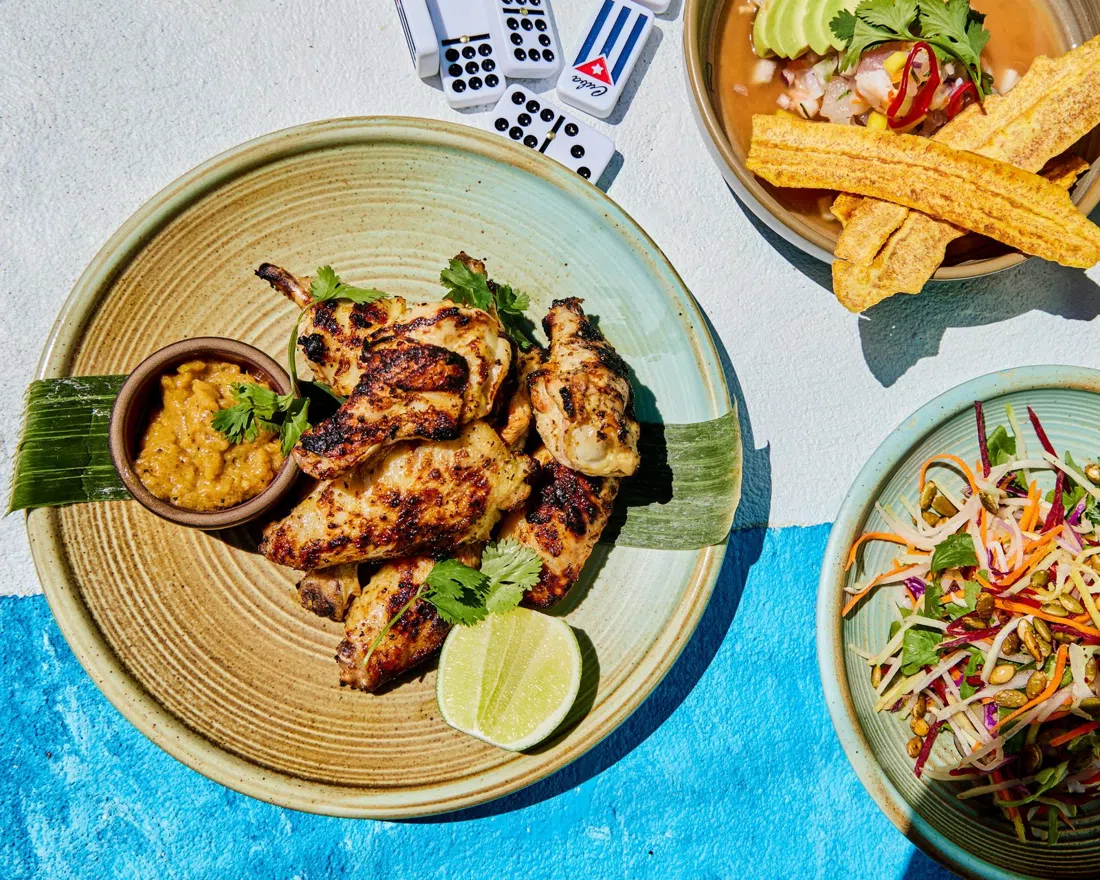
It earns a place here for one reason: an open-air roof deck is only commercially viable in this specific pocket of the city. Build the identical terrace in the Sunset and it sits empty eight months a year. Reservations are strongly advised at weekends, the venue takes groups and does full buyouts, and a per-person minimum can apply to larger parties, so ask when you book rather than at the door.
If your day ends on the cold side instead
Plenty of days collapse back west, and that is fine. The Riptide (Outer Sunset, four blocks from the Pacific) is open 365 days a year, Monday to Saturday 3pm to 2am and Sunday 1pm to midnight, never charges a cover, and runs live bands, DJs and karaoke that soak up a crowd without anyone needing a table. It is 21 plus with ID checked properly at the door, beers are around $7 to $9 and cocktails $12 to $15, and it is cash-friendly and entirely unpretentious.

The fireplace makes the case better than anything else on this walk. Locals light a fire in July, four blocks from the ocean, while the other half of the city drinks outdoors. Both are San Francisco in the same hour.
The practical bit
Getting around works without a car, and in the Mission a car is a liability. The N Judah tram runs the length of the Sunset to downtown; the 18 46th Avenue links Lands End, Ocean Beach and the chalets along the coast; the 5 Fulton and 7 cross the park on either flank; the 43 and 30 serve the Presidio, where a free internal shuttle fills the gaps. Buy a day pass if you are making four or five hops, since it beats single fares, and tap a contactless card or phone if you would rather not deal with tickets. Allow 30 to 40 minutes for the Presidio-to-Mission leg; it is the slowest transfer of the day.
Everywhere here takes cards, but the bar is friendliest to cash and tipping in cash is normal. Budget 18 to 20 percent on table service.
On timing: Lands End at 9am, coffee by 10.30, lunch in the Sunset around noon, the chalets by 2pm, the tower no later than 4pm, the Presidio for the late-afternoon light, the Mission from 6pm. Avoid Monday entirely. Fog usually burns back mid-afternoon and rolls in again by early evening, so the sunniest window on the west side is roughly 1pm to 4pm.
Bring layers, and genuinely a windproof outer layer plus something warm underneath. Summer visitors underdress for the Sunset more consistently than any other mistake in this city.
Four of the nine stops are free. Done sensibly (coffee, a sandwich lunch, a pint at the chalets, food-truck plates and two rooftop drinks), the day runs about $85 to $120 a head. Swap in dinner at the Bib Gourmand and you are closer to $150. If you want to stay on the cold side and feel the contrast properly, the Outer Sunset and Richmond run cheaper than downtown; a San Francisco hotel search will show the gap clearly.