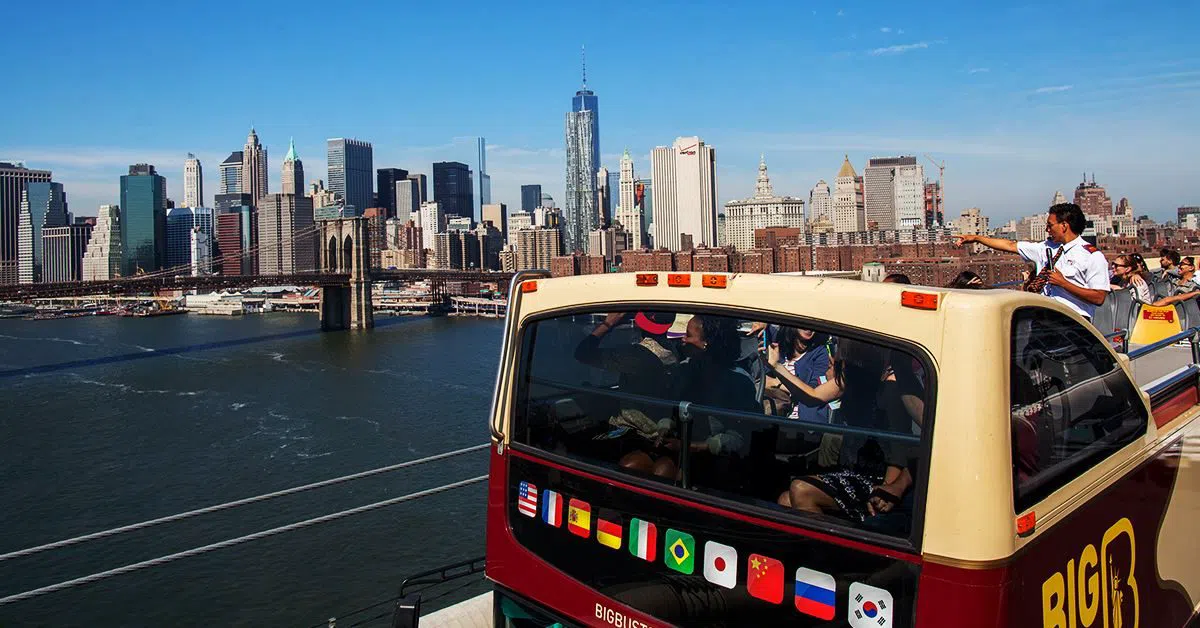
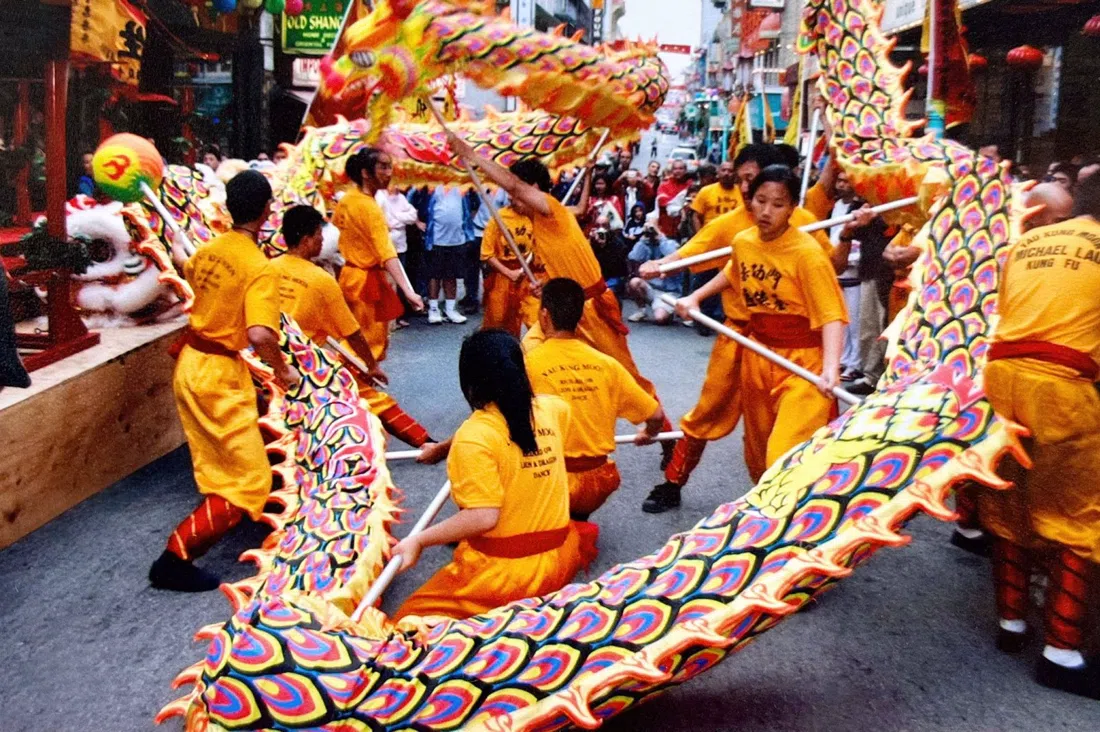
The open-top bus swings off Bush Street and for a minute or so you are level with Chinatown's upper floors: painted balconies, drying laundry, carved brackets, the dragon-wrapped lamp-posts on Grant Avenue passing at eye height instead of overhead. Then it is gone, downhill towards the waterfront, and the half of the district that matters most is still behind you, a grid of alleys barely wider than a car where the neighbourhood lives instead of performing. October 2026 is a good month to do both halves properly.
What the open-top bus gives you
Chinatown sits in the middle of every sightseeing loop in the city and at the edge of all of them. The buses work the perimeter (Bush Street, Kearny, the drop down towards Columbus) because Grant Avenue's traffic and the alley grid behind it cannot take a double-decker. What you get from the top deck is the roofline: tiled pagoda caps, hanging shop signs, fire escapes, lamp-posts, and a commentary track that will mention the 1906 earthquake and move on. If you have never seen the district, that is a useful ten minutes of orientation. It is not the same thing as having been inside it.
So take the loops for what they are, which is transport with a view. Chinatown to the waterfront, the waterfront to the bridge approach, back through the park. What you are paying for is the hills that make those links punishing on foot, and a gradient is far easier to enjoy from an open upper deck than from a pavement. Loops here start from 56 USD per person and run seven days a week, so an October plan does not hinge on which day you arrive. A full circuit is roughly 75 minutes to two hours if you stay aboard, longer in afternoon congestion near the Embarcadero. The best-reviewed open-top loop averages 4.1 out of 5 across 4,763 traveller reviews, which reads about right: dependable, sometimes slow in traffic, rarely anyone's favourite hour of the trip.
Tickets are sold at the kerb and online. Buying ahead does not get you a better place in the boarding queue, because buses load in arrival order, so the gain is administrative, plus the reassurance of a confirmed seat on a busy weekend morning. If you would rather have a live guide than a recording, that option exists too and is attached to this page.
There is one scheduling mistake to avoid. A hop-on hop-off ticket invites you to drop into Chinatown for twenty minutes and catch the next bus through. Don't. The district deserves ninety minutes to three hours on foot, and the loops do not come often enough to make a short dip feel like anything but a rush. Use the bus to arrive or to leave, then stay.
The alleys the bus cannot enter
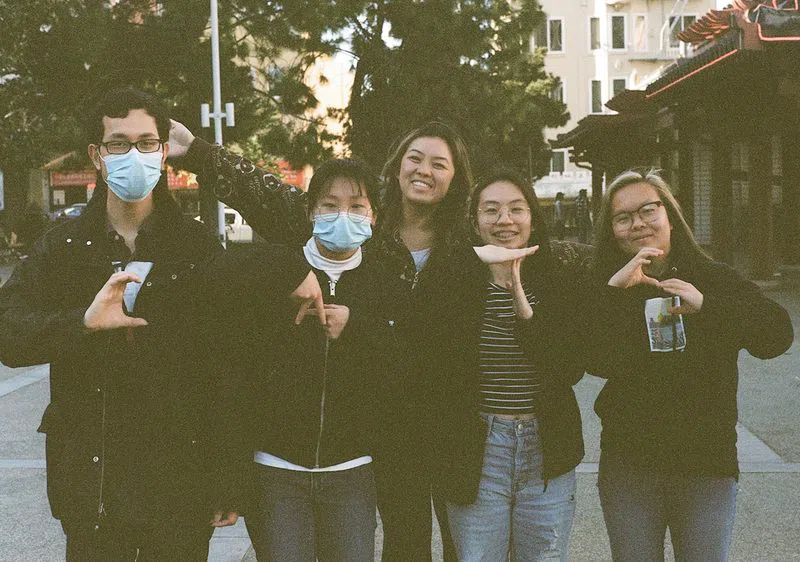
Chinatown Alleyway Tours (departing 615 Grant Avenue, central Chinatown) does what no bus can. The Chinatown Community Development Center runs it and local teenagers who grew up in these blocks lead it, so the walk goes into the alleyways proper, past family association buildings, single-room-occupancy housing and temples above street level, and the money stays in the district. Roughly $30 per adult, with discounted and free places for students and community groups. The catch is the calendar: public departures are Saturdays, 11:00 to 13:00, so you plan the rest of the week around it, not the other way round. Parties of ten or more book by email, and it regularly handles school and community groups alongside the public walk, so a family group of twelve is not the imposition it would be in half of Chinatown's doorways.
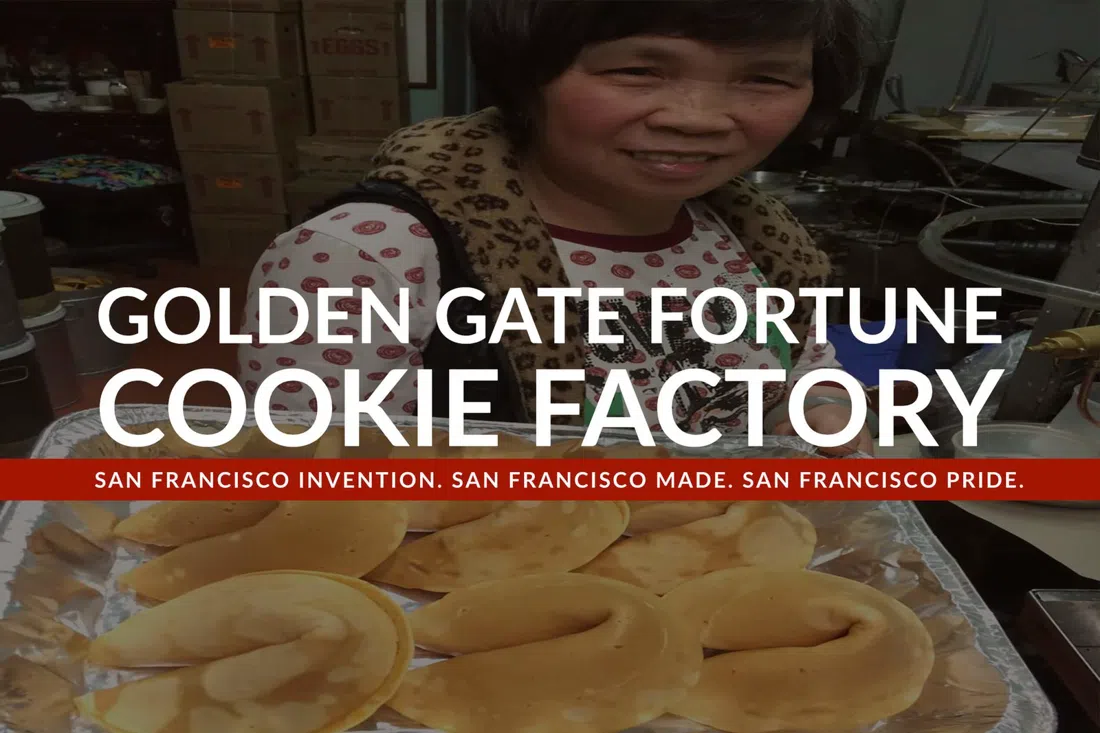
A few minutes away, Golden Gate Fortune Cookie Factory (Ross Alley) is the single best argument for walking instead of riding. Cookies have been folded by hand here since 1962 and the place is still a workplace, not a show: a rotating griddle, the smell of hot batter, a few dollars for a bag, a small charge if you want photographs. Free to look in. It is also tiny, with standing room for a handful of people at a time, fine for a trickle and impossible for a coach party. Open daily 09:00 to 18:30, until 19:00 at weekends. Go in the first hour or two of the day; by mid-afternoon the alley doorway is a wall of shoulders and you see nothing at all.
A cable car that goes where you actually want
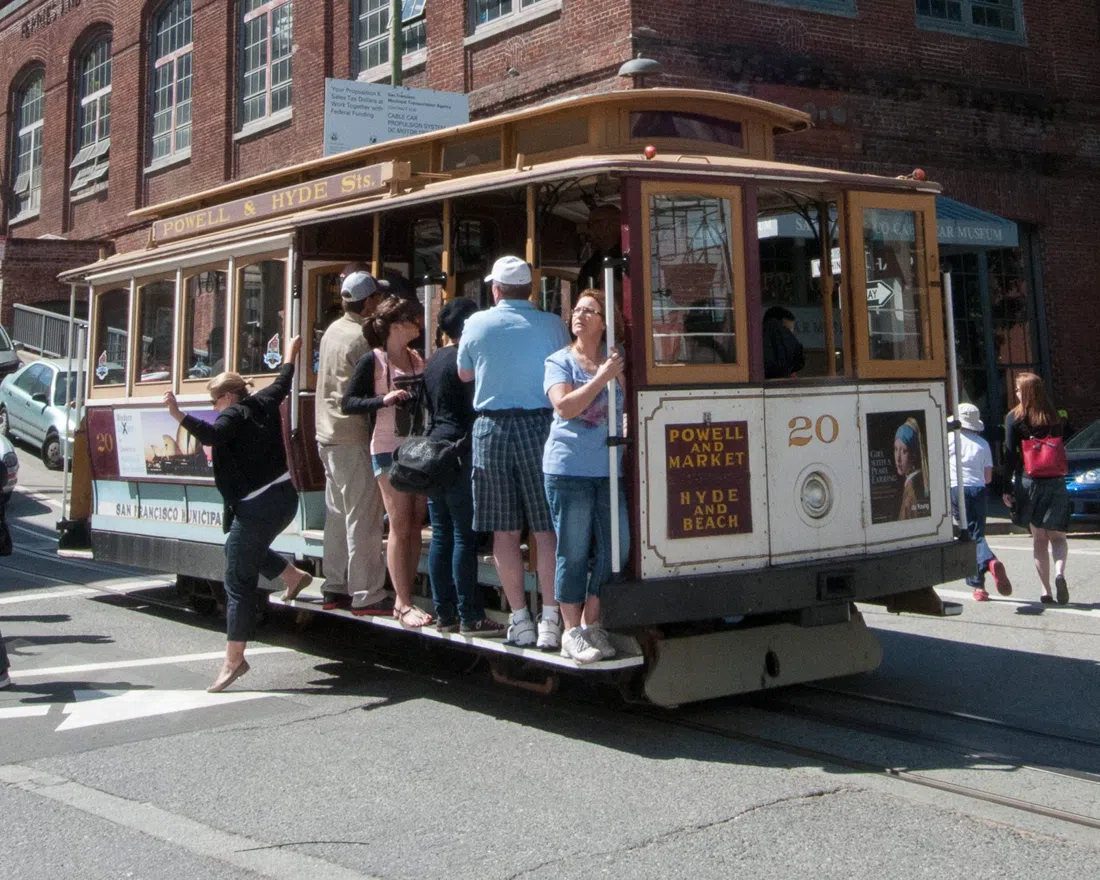
Most visitors queue at the Powell Street turntable, lose the better part of an hour, and then ride a line that only skirts Chinatown. The California Street Cable Car Line (boarding along California, Chinatown's southern edge) is the one to use instead. It runs along the district's lower boundary, past Old St Mary's and up over Nob Hill, and the queues are a fraction of Powell's. All three cable car lines are confirmed running this autumn with no suspensions. A single ride is $8, which adds up quickly. If you expect three or more rides in a day, the one-day Visitor Passport with unlimited travel is the obvious buy. There are no reservations and no group allocation; cars fill first come, so a party of more than six should accept being split across consecutive cars and agree a meeting point before boarding.
Three doorways worth an hour
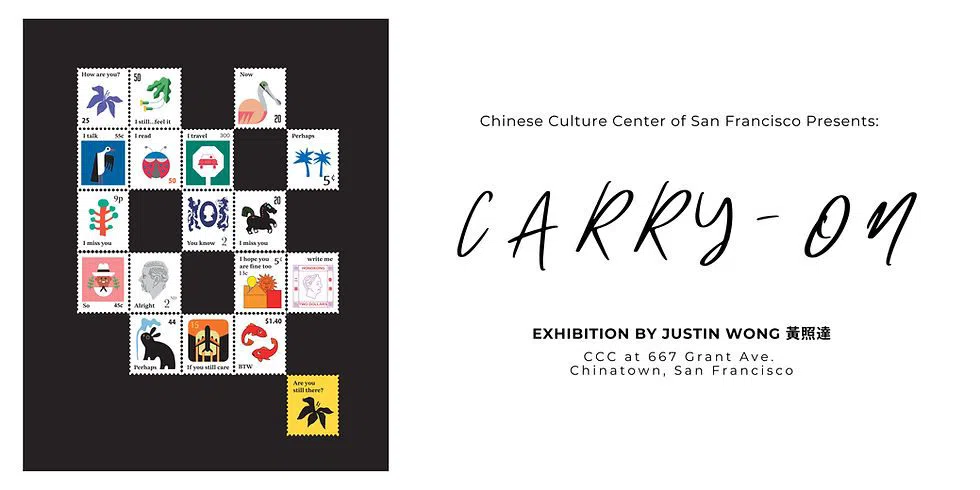
Chinese Culture Center of San Francisco (third floor, 750 Kearny Street) is the most consistently missed room in Chinatown, largely because it sits upstairs in the Hilton block and announces nothing at street level. Entry to exhibitions is free with donations invited, and the programme shows living contemporary artists instead of heritage display, a deliberate corrective to the souvenir-shop version of the district. Open Tuesday to Saturday, 10:00 to 16:00. It also runs its own Chinatown walking tours, which is the answer for anyone who cannot make the Saturday alleyway walk, or for a group wanting a guided add-on on a weekday.
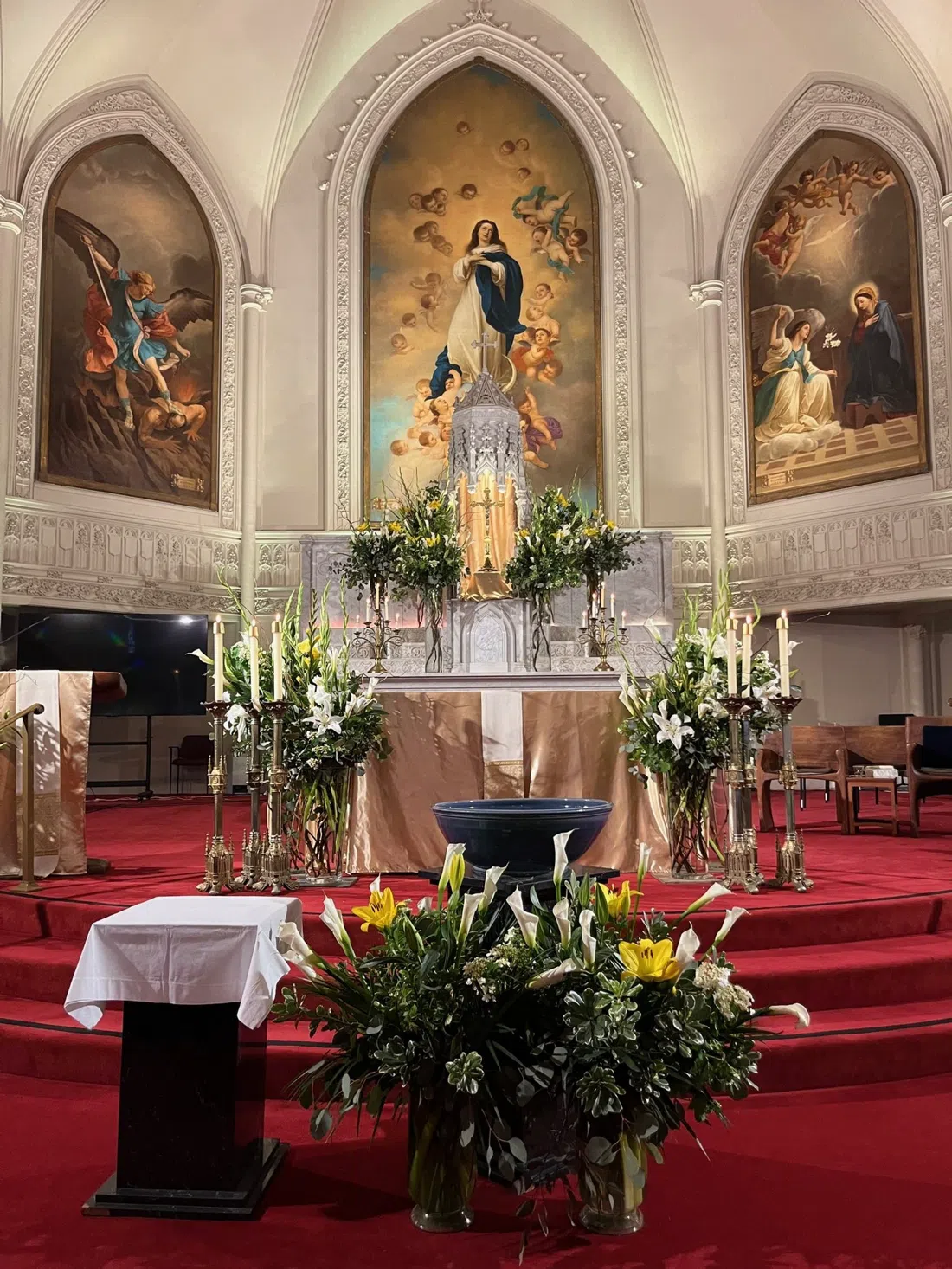
Old St Mary's Cathedral (California Street at Grant) was California's first cathedral, built in 1854 by Gold Rush labour, and it still holds a bilingual Cantonese Mass on Sunday mornings. Five minutes in the nave gives you the whole overlap of Chinatown and the old city in one building. Free, no ticket, open to the public; closed Mondays, Tuesday to Friday 10:00 to 16:30, Saturday 11:30 to 18:00. Groups are fine outside Mass times, which you should avoid out of plain courtesy, because this is a working parish and not an exhibit.
Red Blossom Tea Company (Grant Avenue) is a second-generation family merchant and the place to work out what you are buying when somebody says oolong. Tastings are free and unhurried, and nobody pushes you towards the expensive tin; teas run from around $15 to well over $100 a tin depending on origin and picking. The limits are strict, though: tastings are standing-room for a maximum of four people at a time, there are no reservations, and you need 30 to 45 minutes to do it justice. Tastings stop at 16:30. Open 11:00 to 17:00 on Monday and Wednesday to Friday, 10:00 to 17:00 at weekends, closed Tuesday. Two people walk straight in; a group of eight takes turns or skips it.

Eating between loops
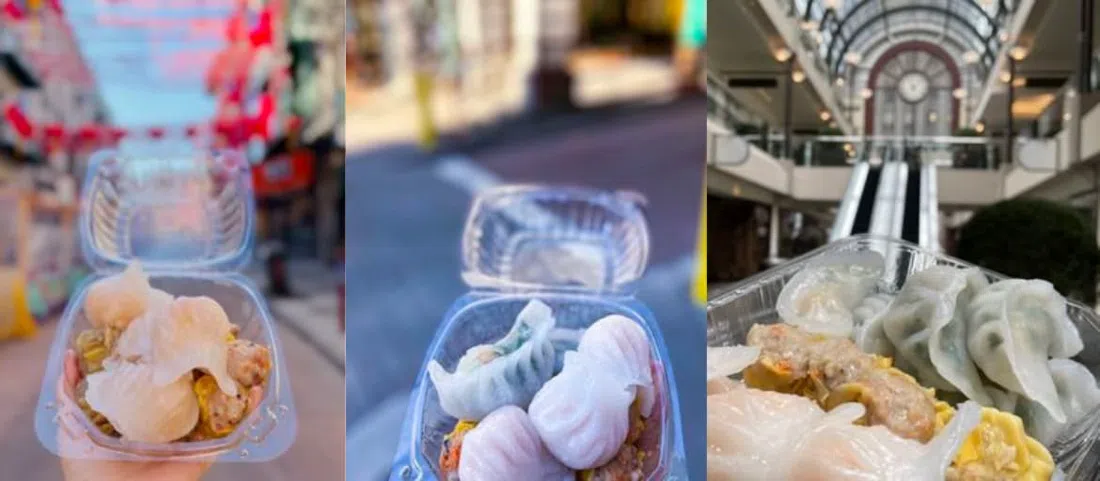
Good Mong Kok Bakery (Stockton Street) is the best-value eating in Chinatown and the reason to walk one block off Grant onto Stockton, where the neighbourhood does its own shopping: fish on ice, crates of greens on the pavement, almost no souvenirs. Items are under $4 and a filling bag comes to well under $15. It is a takeaway counter with no seating, so a group can buy fast but will eat standing on the pavement or walking. Open 07:00 to 18:00, Monday to Saturday, and the queue is shortest first thing. Cash is the tradition, though cards have been accepted recently; carry notes anyway.
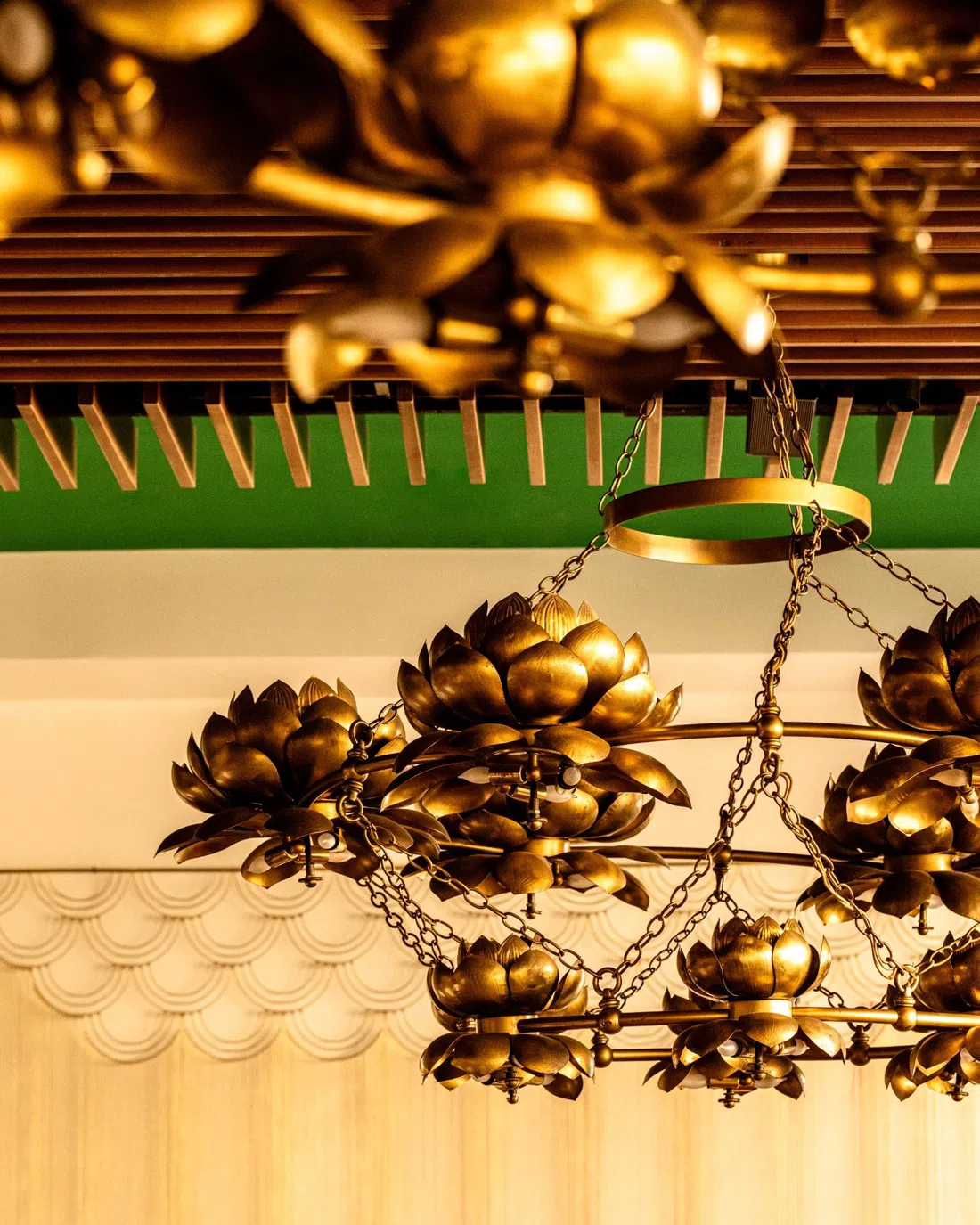
Far East Cafe (631 Grant Avenue) has traded since 1920 and is one of the last true banquet halls, with curtained private booths and capacity in the hundreds. Roughly $25 to $45 a head for lunch or dinner, with banquet menus priced per table. If you have arrived as a party of twenty, this is the only room in Chinatown that can seat you in period surroundings; open Wednesday to Monday, closed Tuesdays. Health inspectors briefly placarded the restaurant in May 2026 over a rodent issue, and it was cleared and reopened the next day. That is the whole story, worth knowing and not worth avoiding.
Mister Jiu's (Waverly Place) is the reason to still be in Chinatown after the buses have stopped. Brandon Jew holds a star in the 2026 Michelin Guide for Californian-Chinese cooking served in a restored Waverly Place banquet hall, and it is a destination dinner in its own right, not a neighbourhood add-on. Tasting menus and duck banquets run to $200 or more per person; the a la carte is considerably cheaper. Evenings only, Tuesday to Saturday, closed Sunday and Monday. Booking is online or nothing, with no phone or email, and if you have left it late, try the bar from 17:00. Groups go upstairs, where the Moongate Lounge handles private seated dinners and standing receptions.
Who fits where
Couples and pairs have the easiest run of it: the tea tasting, the fortune cookie alley and a late table at the star restaurant all work for two and work badly for ten. Families and parties of four to six should build the day around the Saturday alleyway walk, the cable car and the Stockton Street bakery, and treat the narrow doorways as optional. Anything above about twelve people needs to be honest with itself: the banquet hall and the alleyway tour welcome you, the open-top bus is indifferent, and the bakery, the tea room and the cookie factory simply cannot absorb you. Book the group-friendly things first and let the small rooms happen in twos and threes while everyone else drinks coffee.
Best time to go in October 2026
October is usually San Francisco's clearest, warmest stretch of the year. The summer fog has largely retreated and the light is good late into the afternoon. Bring a windproof layer regardless, because a moving open upper deck is ten degrees colder than the pavement it is driving along.
Day of the week matters more than weather here. Tuesday is the one to avoid: both the tea merchant and the banquet hall are closed. Sunday loses the Culture Center, the star restaurant and the Stockton bakery, though it is the day for the Cantonese Mass. Monday loses the cathedral and the Culture Center. Wednesday to Friday is the calmest version of Chinatown with nearly everything open. Saturday is the fullest day, the only one with the youth-led alleyway walk, and the cathedral stays open until 18:00, all at the cost of the busiest pavements.
For the shape of a day: start at 09:00 in Ross Alley and the Stockton Street counters while the queues are short, ride the open-top loop late morning when the deck is still dry and the traffic light, come back for the Culture Center and the cathedral in the early afternoon, take a tea tasting before the 16:30 cut-off, and eat in the evening. That order also means you are walking the alleys before the mid-afternoon crush and sitting down while it peaks.
Is it worth it
The bus, on its own, is not what makes Chinatown worth your day. It is a sensible way to cover a hilly city and a weak way to understand a dense one. Bought as transport and orientation, with the real hours spent on foot between Grant, Stockton, Ross Alley and Waverly Place, the combination is one of the better value days in San Francisco: three or four free doorways, a $30 walking tour that puts money back into the blocks you are looking at, and eating that runs from under $15 to a Michelin-starred dinner within four streets. Skip it only if you have two days in the city and no interest in walking, in which case the top deck will give you a photograph and not much else.
Before you go
Getting there and around. Chinatown is walkable from Union Square and the Financial District; the California Street cable car line runs along its southern edge at $8 a single, with a one-day Visitor Passport worth it from three rides. The alleys are narrow, steep in places and have no parking worth attempting, so arrive on foot, by cable car or by bus.
Cash. Carry small notes. Card acceptance has improved, and the Stockton bakery has been taking cards recently, but the counters, the cookie bags and the photo charges are all easier in cash.
Timing. Mornings for the alleys and bakeries, late afternoon for tea before tastings stop at 16:30, evenings for the banquet rooms. Check the closed days above before you fix anything.
Budget. A lean day is genuinely cheap: free entry at the cathedral and the Culture Center, free tea tastings, under $15 of dim sum, $8 for the cable car and about $30 for the alleyway walk. Add the open-top loop from 56 USD per person if you want the wider city, and $25 to $45 a head for the banquet hall or $200-plus for the starred tasting menu if the evening is the point.
For somewhere to sleep within walking distance of all of it, start with the San Francisco hotel search, and for the rest of the city (the waterfront, the parks, the other hills) see the wider San Francisco guide.