
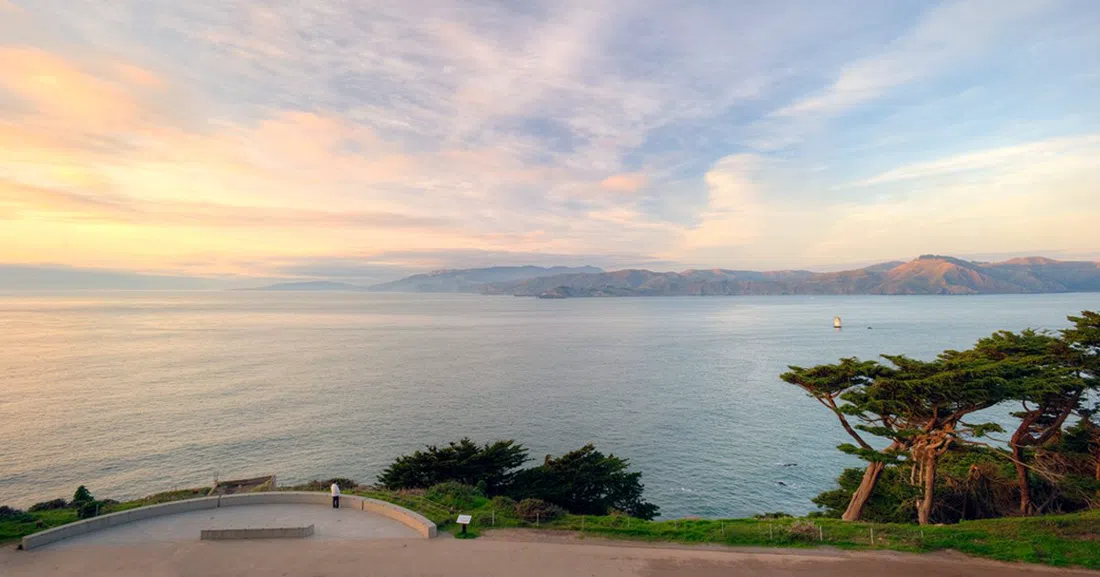
San Francisco ends at Land's End, and it ends properly — no boardwalk railings smoothing the edges, no gift shop selling the view. Cypress trees lean sideways from decades of wind, the Pacific throws itself against black rock two hundred feet below, and somewhere past the treeline the Golden Gate Bridge appears at exactly the angle it was built to be seen from. This is the walk to do on a clear afternoon, timed so the fog burns off and the light turns gold before it drops into the water.
Starting at the Lookout, Then Losing the City Behind You
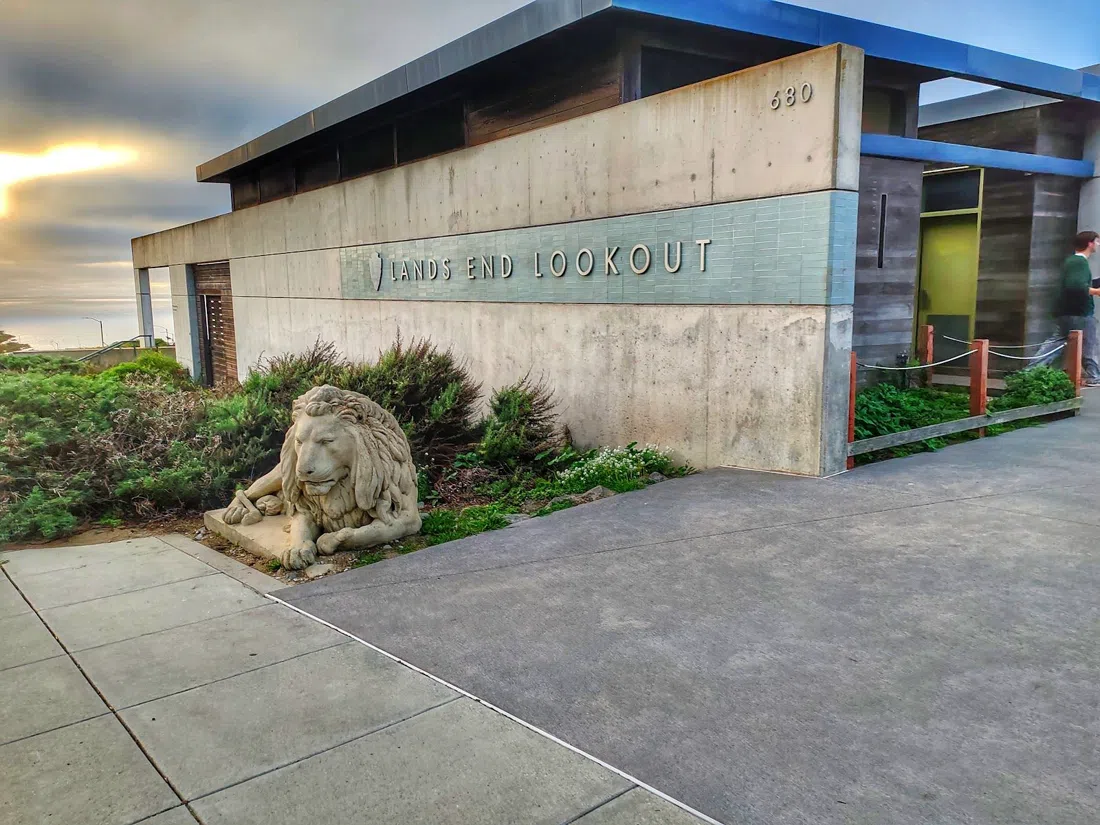
Most people start at Lands End Lookout Visitor Center, a small building at Merrie Way that the National Park Service opened in 2012 as the trail's natural gateway. It's nothing more than a café, a shop, restrooms, and a set of exhibits on the Sutro Baths and the long-shuttered Cliff House next door — but it's free to walk in, there's enough indoor seating for a group to regroup before or after, and the maps here are worth grabbing even if you've done the walk before. It's confirmed open daily, 9am to 5pm. From here, the whole trip runs on the Lands End Trail (Coastal Trail), a roughly 3.4-mile round trip through cypress and eucalyptus forest that strings together everything else on this list. It's unticketed, open access, run by the Golden Gate National Recreation Area, and fine for a group of any size — though a few spurs drop into stairs, and anyone with knee trouble should stick to the main path rather than the side trails down toward the water.
If you'd rather not navigate alone, SF City Guides — Land's End & Sutro Heights Walk is a free, volunteer-led tour that starts at the Sutro Heights Park gate and finishes at Land's End. It's drop-in, no booking, donations only, and built specifically for groups — genuinely the best no-cost way to do this walk with someone explaining what you're looking at rather than guessing from a phone screen.
Sutro Heights Park: Where the Walk Actually Begins
Before the cliffs, there's Sutro Heights Park, the former private estate gardens of Adolph Sutro — the mining engineer turned mayor who built or funded nearly every other stop on this walk. It's open sunrise to sunset, free, and sits at the trail's southern end with open lawns that make it an easy meeting point for a group, plus a first long look out over Ocean Beach. Sutro bought this land in the 1880s and opened it to the public even while he still lived here, decades before the city inherited the estate as parkland — it's a good place to start the walk simply because the story of the whole coastline starts with him.
The Baths, the Camera, and What's Left of Sutro's Empire
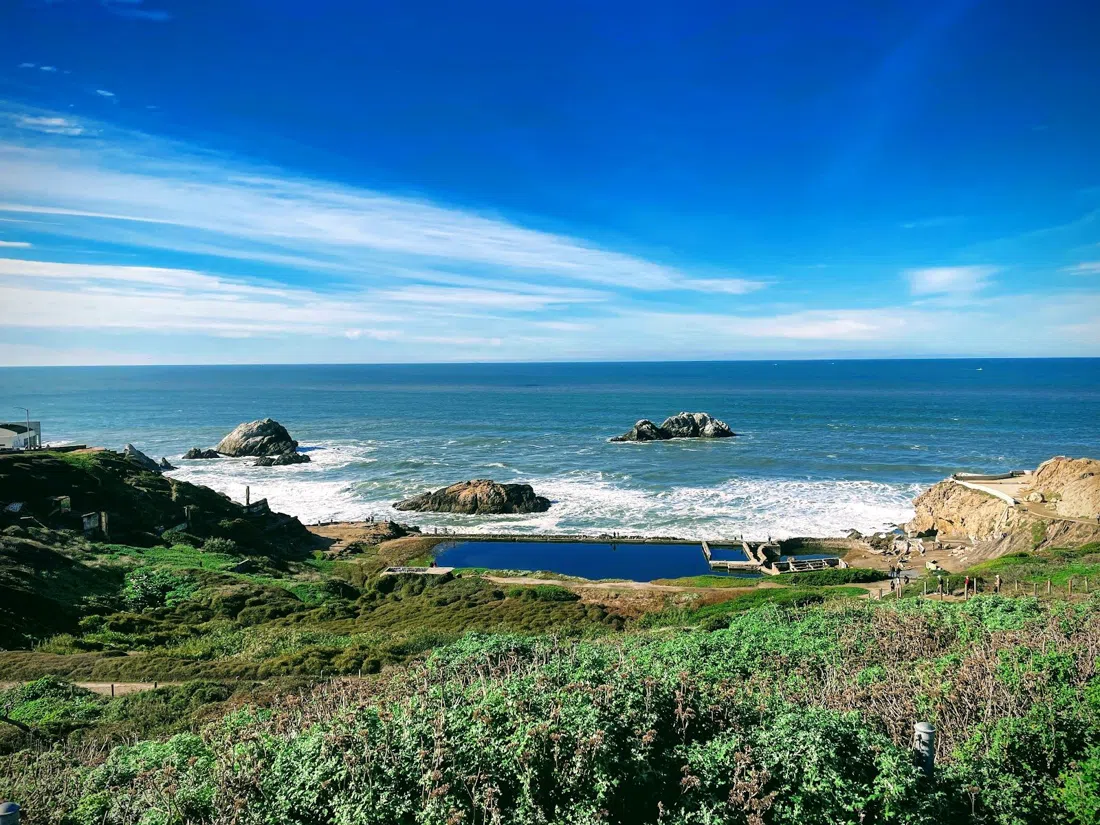
Head down toward Merrie Way and you reach the Sutro Baths ruins, the concrete foundations of what was, in 1896, the largest indoor public swimming complex in the world — six saltwater pools under a glass roof, built by Sutro to give ordinary San Franciscans a grand day out for the price of a streetcar ticket. Fire destroyed the structure in 1966, and what's left today is a maze of low walls and flooded pools that's free, open-air, and completely unstaffed. It photographs beautifully and it's easy to underestimate: the rock is uneven and often wet, there are no railings in places, and it's not somewhere to let kids run ahead unsupervised. Fine for a group to explore together at a reasonable pace, less fine for anyone unsteady on their feet.
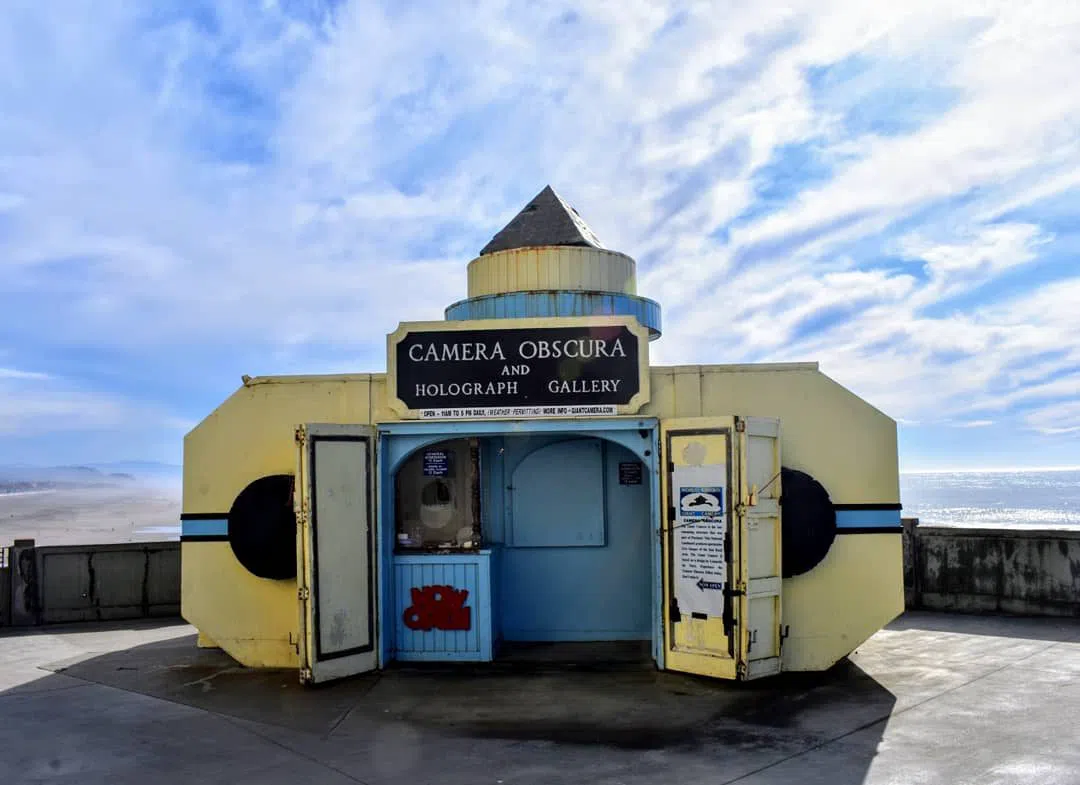
Next door, the Camera Obscura is one of only a handful of working camera obscuras left in the country — a small wooden building using a rotating lens and mirror to project a live, moving image of the coastline onto a curved table inside a darkened room. It's $3 a person, cash is the safer bet, and the space itself is tiny, so it suits a couple or a small cluster arriving together rather than a big group turning up at once. It has kept operating on its own schedule, daily from 11am to 5pm, even through the years the Cliff House restaurant beside it has sat shuttered.
For a free, open-air stop that takes two minutes but says more about the site than almost anything else here, the USS San Francisco Memorial sits right by the main parking lot near Merrie Way — the actual battle-damaged flag bridge of the cruiser USS San Francisco, which took roughly 45 direct hits during a night engagement in November 1942 while helping turn back a much larger enemy fleet threatening American forces on the ground. The bridge wings were removed during postwar repairs and installed here, deliberately set on the great-circle course out toward the Pacific. It's an easy add-on for any group heading to or from the baths, no detour required. A short walk from there, the West Fort Miley Batteries are turn-of-the-century coastal defense gun emplacements, now just concrete ruins in the trees — free, with wheelchair-accessible paths from the Merrie Way trailhead, and a genuinely good spot for a group wanting to sit down with food before pushing on.
Eagle's Point: The View the Whole Walk Is Built Around
About a mile in from the Lookout, the trail opens onto Eagle's Point Overlook, an unticketed viewpoint that gives the single best straight-on shot of the Golden Gate Bridge from anywhere on this coastline. This is the cliffside view most people come for, and it earns the reputation — the bridge sits framed between headland and cypress with nothing else competing for attention. It's free, easy to reach for any group size, and worth timing for late afternoon, when the light comes in low across the water and the bridge's towers catch the sun before the fog has a chance to reclaim them.
The Hidden Beach, If You've Got the Legs For It
Past Eagle's Point, an unmarked spur drops toward Mile Rock Beach & Lands End Labyrinth, the trail's real secret: a small, secluded beach reached by roughly 243 steps down a steep cliffside staircase, with a spontaneous rock labyrinth someone built on the bluff above and locals have maintained ever since. It's free and it's real — confirmed active and accessible in 2026 — but it is not a group excursion. The descent is steep, there's no shortcut back up, and anyone in a hurry, anyone with mobility limits, or a party of more than three or four people should simply take the photo from the top and let it go. This one rewards patience and a free afternoon, not a checklist.
If the Fog Wins: Legion of Honor
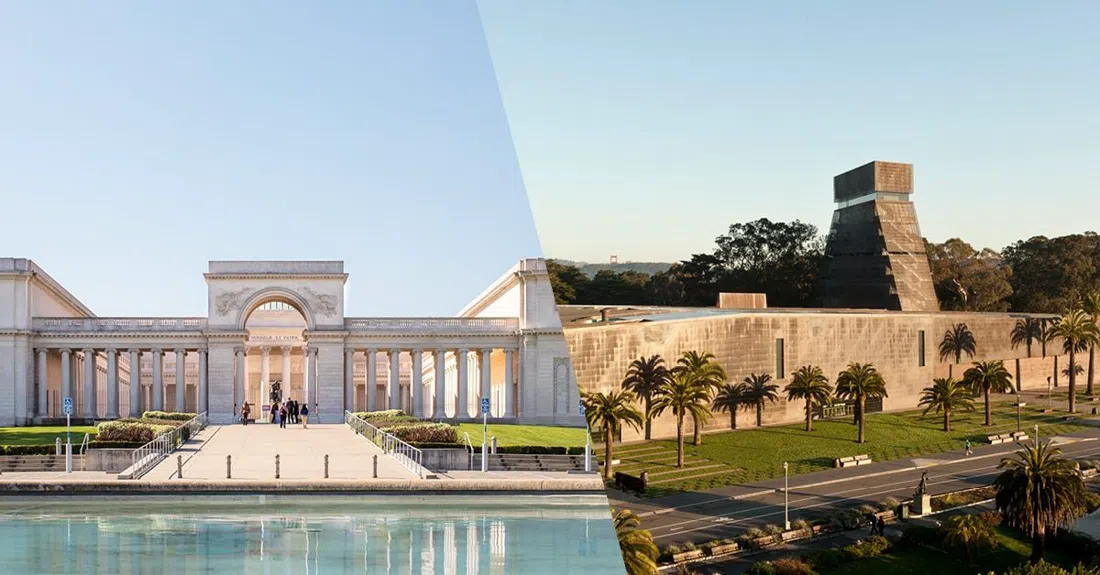
San Francisco's coastal fog does what it wants, and Land's End has no shelter from it. When it rolls in thick, the Legion of Honor is a short walk inland into Lincoln Park and the trail's best indoor fallback — a Beaux-Arts art museum with a genuinely strong European collection, open Tuesday through Sunday, 9:30am to 5:15pm, closed Mondays. Adult admission runs roughly $15 to $20, and it's free on first Tuesdays of the month. Group tickets and tours are available, so it's a real option for a party that got rained out of the cliffs rather than a consolation prize.
Beyond the Trail: Three More Beaches Along the Edge
Land's End doesn't end cleanly, and the coastline keeps giving beaches on either side worth knowing about, each with a different personality.
To the north, tucked into the Sea Cliff neighbourhood, China Beach is the most sheltered pocket beach along this stretch — small, quiet, and currently mid-renovation, which means parking is limited. A staircase down rules it out for large groups or anyone with mobility issues, and swimming isn't recommended here — no lifeguards, cold water, real currents — but it's confirmed open despite the ongoing facilities work.
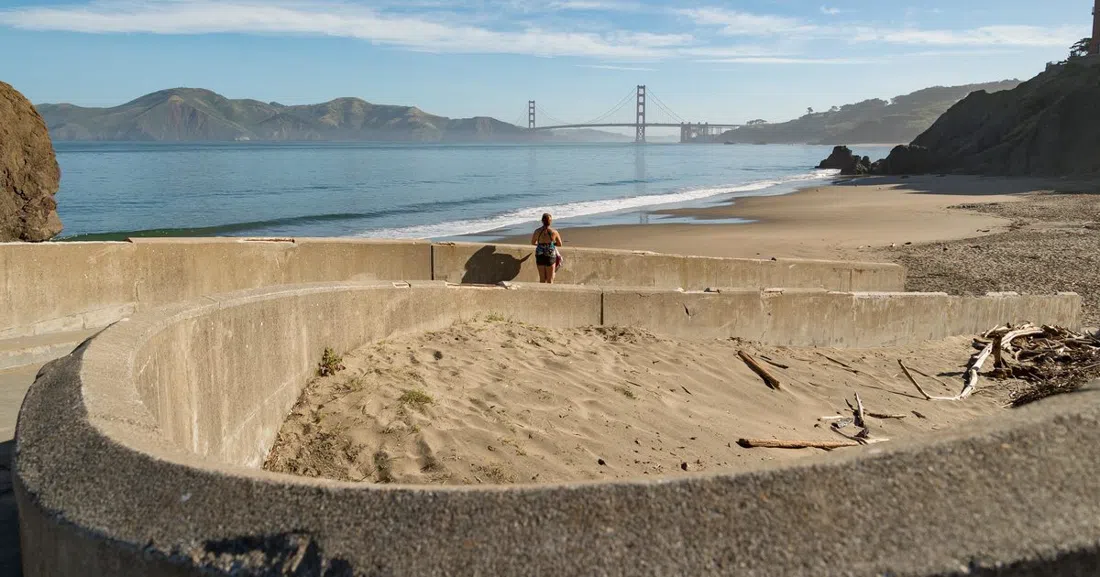
Further south toward the Presidio, Baker Beach is the opposite: a large, open beach that's genuinely good for groups, with the kind of space China Beach doesn't have. It's open 6am to 7pm and free, but it carries a real warning, not a formality — rip currents and so-called "sneaker waves" are a documented risk here, and a fatal incident tied to a sneaker wave was reported at Baker Beach in June 2026. Walk the sand, don't turn your back on the water, and keep an eye on anyone standing at the surf line.

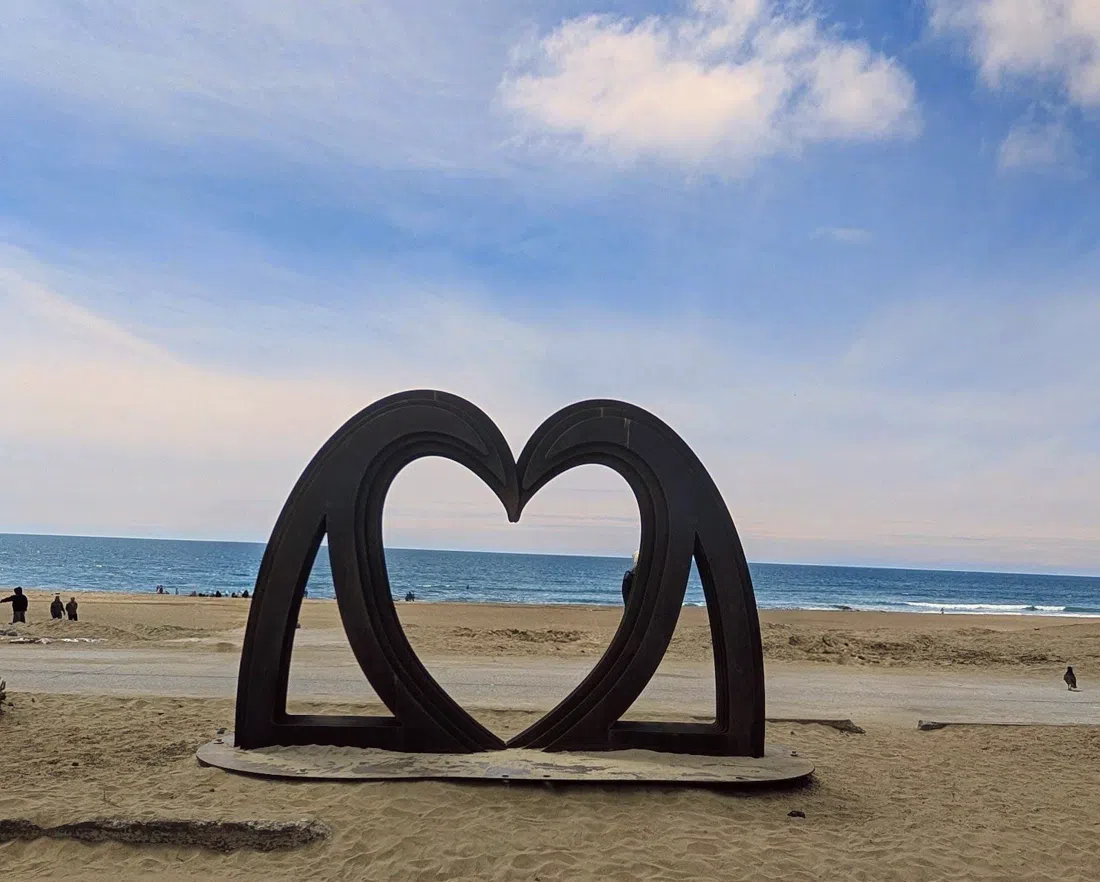
And south again, the trail's natural extension is Ocean Beach / Sunset Dunes, a huge stretch of open oceanfront in the Outer Sunset. Since April 2025, the northern portion has been Sunset Dunes, a two-mile car-free oceanfront park built on what used to be the Great Highway — genuinely new, confirmed active in 2026, and ideal for a group that wants to keep walking without a car in sight. As with the other beaches here, the surf and currents mean swimming isn't advised; this is a walking and sitting beach, not a swimming one.
Planning Your Visit
Getting there: the trailhead at Merrie Way and Lands End Lookout is served by Muni bus routes into the outer Richmond and Sea Cliff area, and there's a parking lot at the Lookout itself, though it fills fast on clear weekends — arrive before 10am or plan to circle. There's no direct subway or cable car connection out here; this is the far western edge of the city, and it feels like it. If you're basing yourself centrally for the trip, start with a San Francisco guide for how the neighbourhoods connect, or sort accommodation through a San Francisco hotel search before you decide which day to give to the coast.
Cash: almost everything on this list is free — the trail, the ruins, the overlooks, the memorial, the batteries, the beaches. The only place you'll actually need money is the Camera Obscura ($3, cash preferred), plus whatever you spend at the café inside the Lookout or on Legion of Honor admission if the fog sends you inland.
Timing: give the full loop — Lookout to Sutro Heights, via the baths, Eagle's Point, and back — two to three hours at an unhurried pace, longer if you're adding the Mile Rock descent or a beach at either end. Late afternoon is the move: the fog that often sits over the coast in the morning tends to lift by early afternoon, and the light through the cypress in the last two hours before sunset is the best reason to be here at all.
Budget: genuinely one of the cheapest full days out in San Francisco — $3 for the Camera Obscura if you go in, maybe $15 to $20 each for the Legion of Honor as a fallback, and otherwise just the cost of getting yourself out to the western edge of the city and back. Bring water, wear shoes with grip for the ruins and any staircase spurs, and don't count on the fog clearing on schedule — it rarely reads the forecast.