By last call, the neon signs on Mission and Polk are doing more work than the streetlights, and the bartender already knows what you're having. San Francisco has been losing its dive bars for twenty years — priced out, sold off, turned into something with a $19 cocktail menu and a doorman — but a stubborn dozen are still pouring cheap drinks under the same water-stained ceiling tiles they've had since long before the neighborhood got expensive. This is a tour of what's left, room by room, for anyone who wants to drink where the city actually drinks.
None of this is nostalgia for its own sake. A real dive bar in San Francisco in 2026 is a specific, dwindling kind of room: cheap rent locked in decades ago, a landlord who hasn't sold, and regulars who've outlasted three waves of whatever the neighborhood was supposed to become next. Every bar on this list survived something — a lease renewal that could have gone the other way, a pandemic that killed plenty of its neighbors, a rebrand pressure it resisted. None of them have a mixology program. None of them card you twice or make you feel like you wandered into someone else's scene. That's the whole appeal, and it's exactly what's disappearing fastest.
The Mission's Old Guard
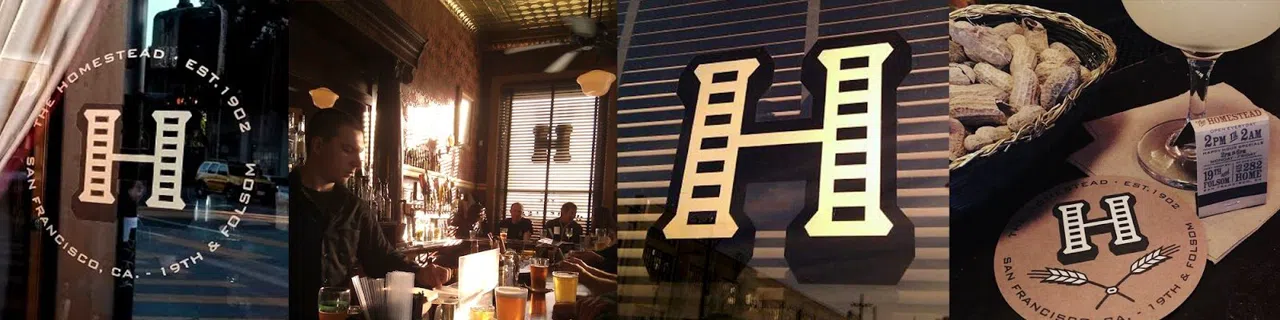
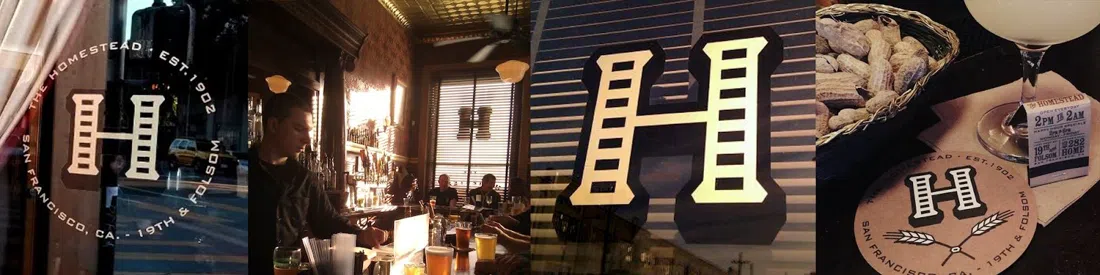
The Mission has lost more dives to the last two decades of money than any other neighborhood, which makes the ones still standing feel less like bars and more like holdouts. Start at The Homestead (Mission District), an 1880s building where the floor is still ankle-deep in peanut shells by midnight — not a bit staged for anyone's camera, just the house rule, the way it's been for well over a century. There's no reservations line and no host stand; you find a spot at the bar or a booth and you hold it. Small-to-medium groups do fine on a weeknight, but Friday and Saturday it fills fast, so get there before 9pm if you want to sit.
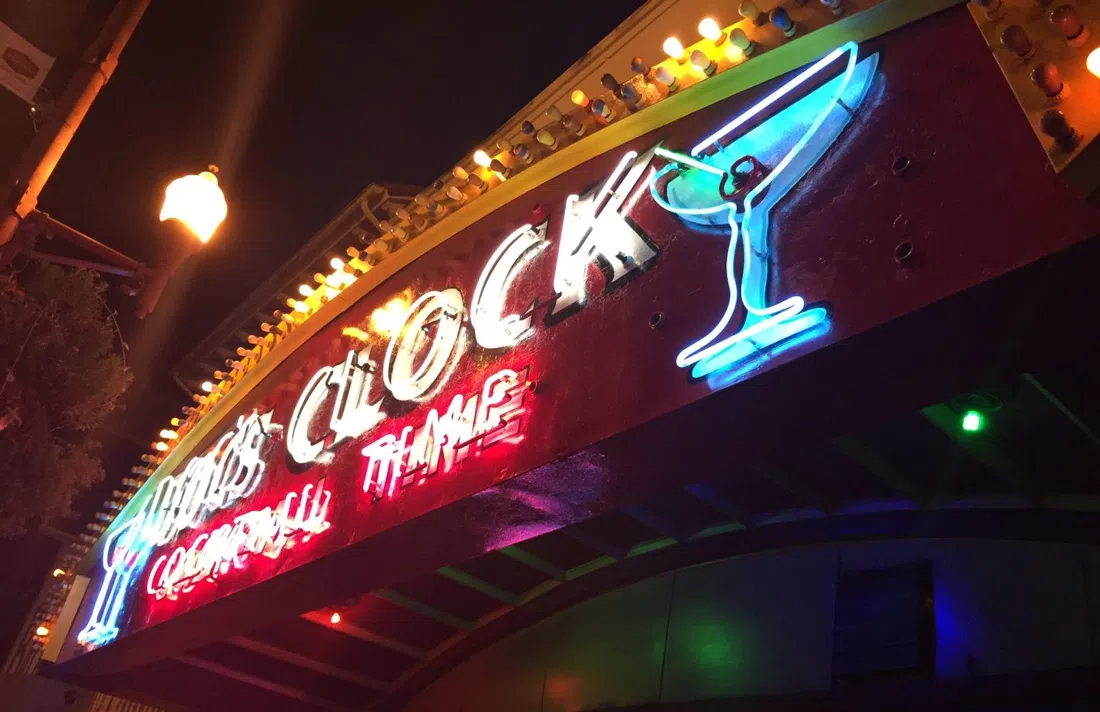
A few blocks over, Doc's Clock (Mission Street) is the plainer, harder-edged version of the same idea — a working-class corner bar that's held its spot since 1951, with a shuffleboard table that gives a group something to do besides talk over the jukebox. No cover, no scene, and a 6-9pm happy hour that's borderline punishing in the best way; go early if the point is getting a lot of drink for not much money.
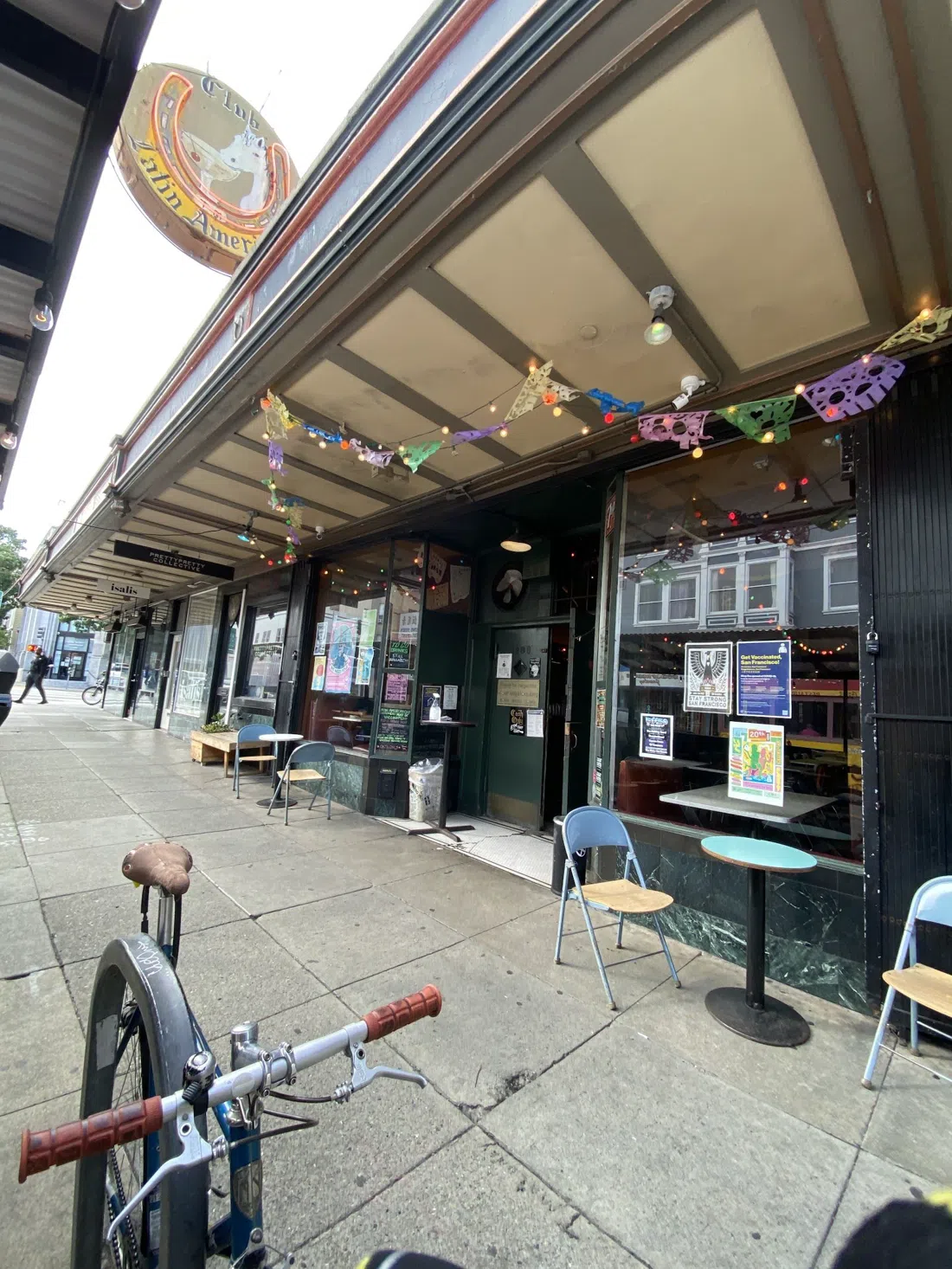
For something with a bit more theater, Latin American Club (Mission District) pours margaritas strong enough that they've built a small reputation on their own — order one, see how the rest of the night goes, and don't order a second until you've felt the first. It's a small room; the window tables and the end by the pool table are where a small group can actually sit together, but Friday and Saturday nights it packs in fast and standing room becomes the default after 9pm.
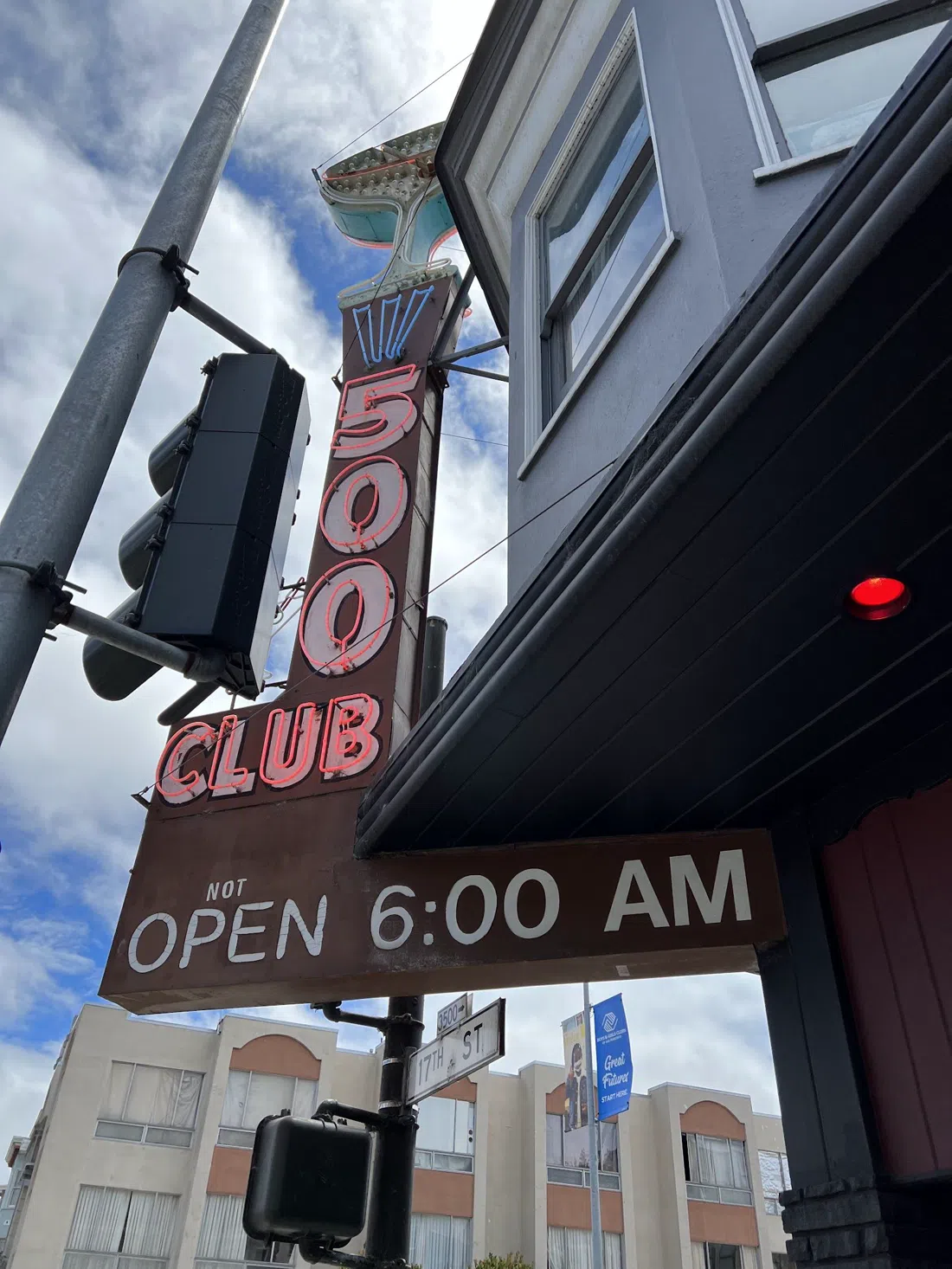
And then there's 500 Club (Mission District), whose red neon sign is one of the most photographed in the neighborhood — which makes it easy to assume it's been prettied up for the cameras. It hasn't. Walk past the sign and it's still a plain, cheap, workaday dive that's barely changed since 1953, with booths that seat four to six comfortably and no cover charge. It's the easiest recommendation on this list for a group that just wants a normal night out without a production around it. Order a well drink, feed the jukebox, and don't expect anyone behind the bar to make small talk unless you start it.
Between these four, you could spend an entire weekend without leaving a fifteen-minute walking radius, and that's more or less the point — the Mission's dive-bar map used to be dense enough that nobody needed to plan a route between them. It still mostly works that way, just with fewer stops on the map than there used to be.
The Mission's Loud End
Two more Mission spots earn their place here even though neither one plays the austere-dive-bar role straight. Zeitgeist (Mission District) is technically a beer garden rather than a barstool dive — but its 1977 biker-bar pedigree is real, and a lot of the neighborhood's old guard still drinks there over anywhere newer. The big patio and communal picnic tables make it the best option on this list for a large group with no reservation, since nobody's trying to seat you and there's always room to spread out.
Bender's Bar & Grill (Mission District) leans the other way — less biker, more punk. It still books real hardcore and punk shows most nights of the week, which means it functions as a working venue as much as a bar. Groups are welcome, especially on show nights, but check the calendar before you go; a night with a band booked is a different bar than a quiet Tuesday, and you'll want to know which one you're walking into. Either way, walk in expecting noise, not conversation — that's what both rooms are built for, and neither one apologizes for it.
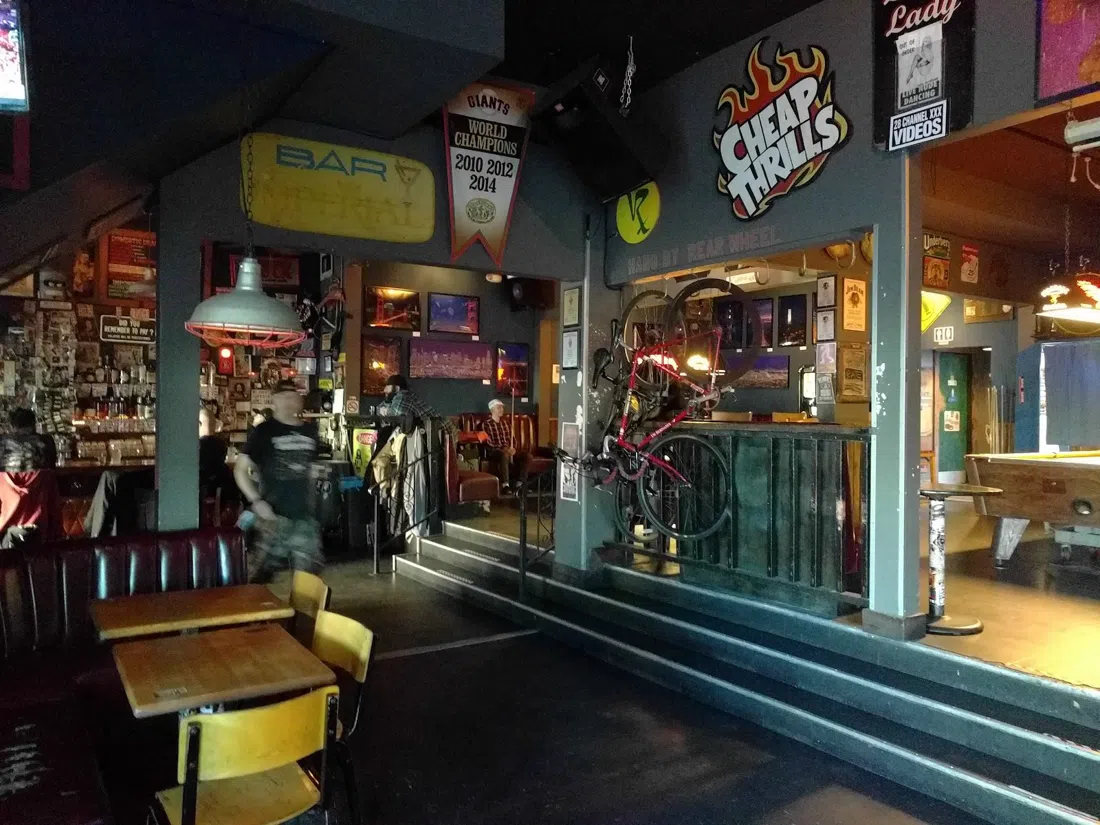
Tenderloin and Polk Gulch: San Francisco's Queer Dive Lineage
Head north and west and the story shifts from working-class holdouts to queer history under similar pressure — blocks that used to have a dozen gay bars now have one or two, and the survivors carry that weight. Neither the Tenderloin nor Polk Gulch is dressed up for visitors — these are working streets, not a district built for a night out — which is part of why the bars on them still feel unmanufactured.
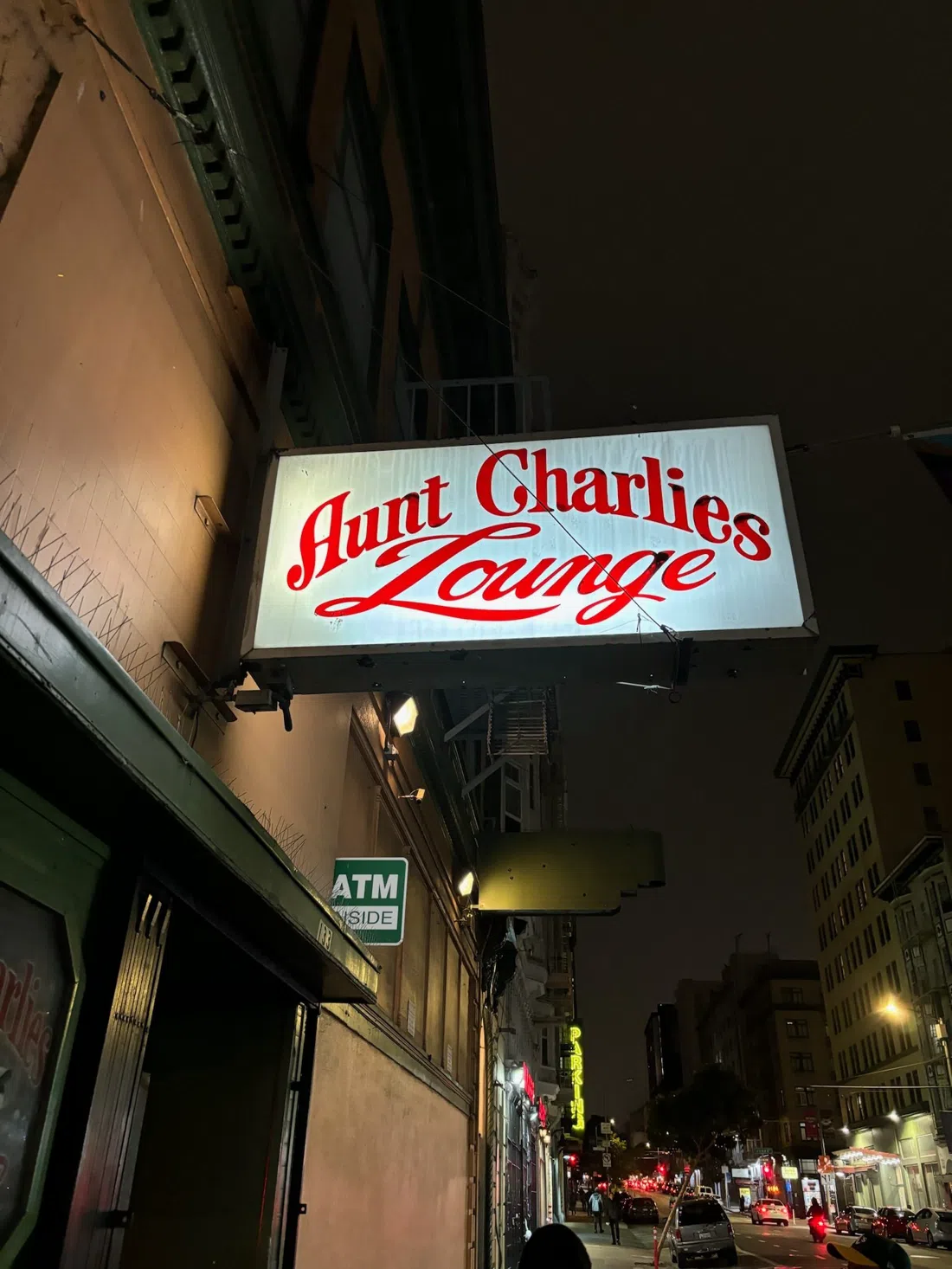
Aunt Charlie's Lounge (Tenderloin) is the neighborhood's last surviving queer bar on a block that used to have a dozen of them, and it doesn't perform for tourists — the drag here, especially the Friday and Saturday Hot Boxxx Girls shows, is neighborhood entertainment first, tourist spectacle a distant second. The room is small. If you're coming for a drag night with a group, arrive early or you'll be standing at the back for the whole set.
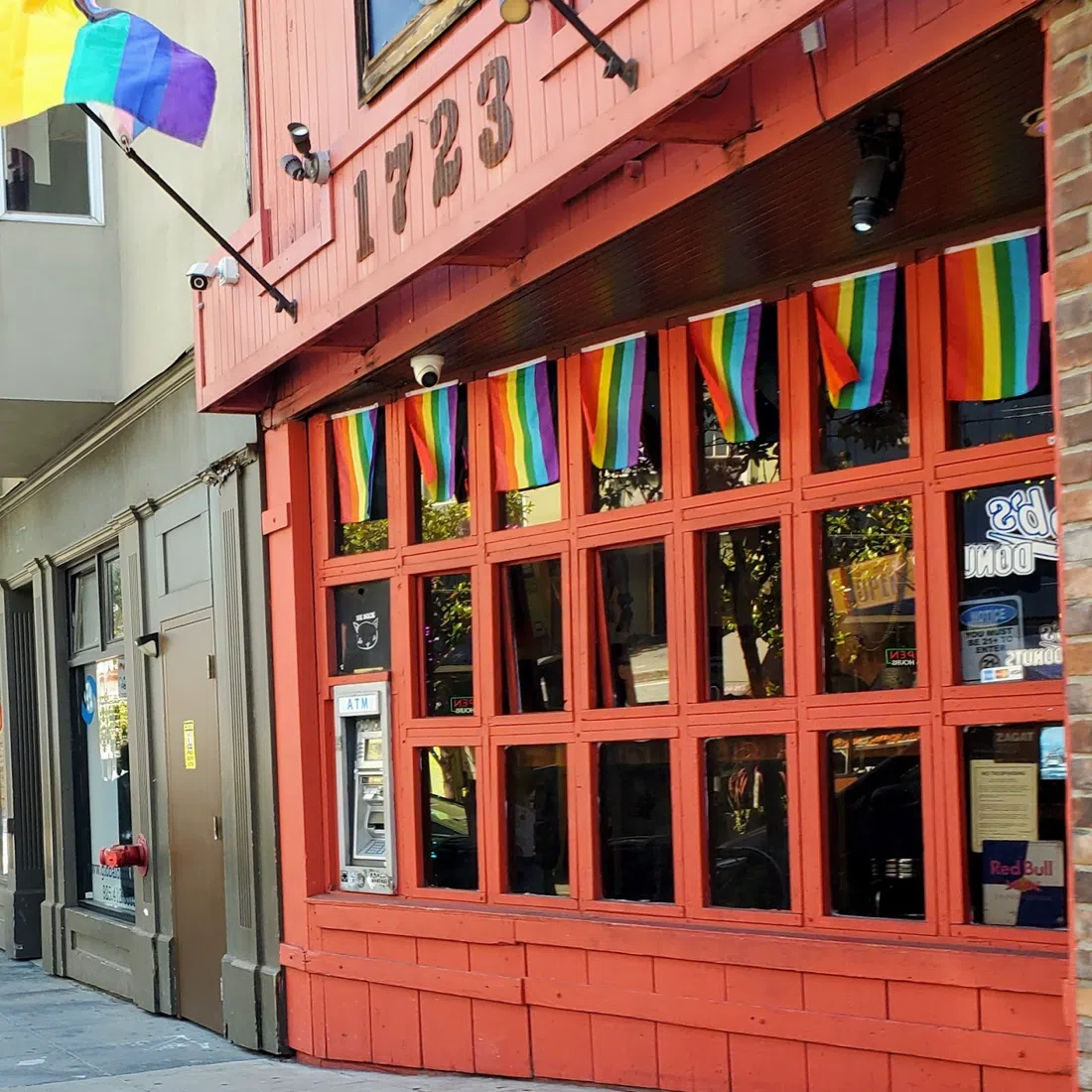
A short walk away, The Cinch (Polk Gulch) is the last surviving gay bar on a stretch of Polk Street that once had bars up and down the block; the facade itself is a small piece of world's-fair-era history, worth a look even before you order. The door has no attitude, groups are genuinely welcome, and the patio gives you overflow room if the front bar is packed — one of the more relaxed nights on this list.
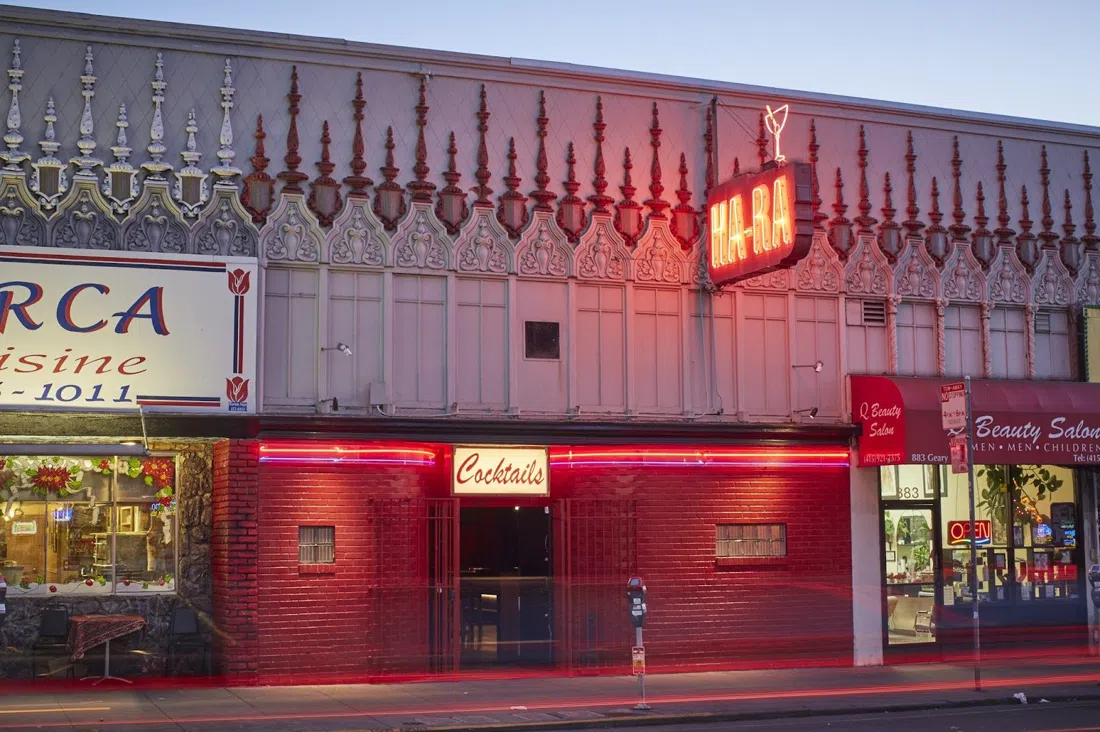
Nearby, Ha-Ra Club (Tenderloin) has been open since 1947 and got a freshen-up in 2015 — not preserved in amber like some of these places, but still run like a dive and proud of calling itself one. A pool table and a few TVs make it workable for groups of four to eight, and there's no attitude at the door.
If the night calls for something louder and weirder, Kozy Kar (Polk Gulch) leans kitsch rather than austere dive — think novelty decor over cracked vinyl — but it's real, unchanged for decades, and comfortable with cash. It's good fun for groups Thursday through Saturday, when it gets loud and busy fast; it's closed Sunday through Tuesday, so don't route an early-week night through Polk Gulch expecting it to be open. Taken together, these four bars trace a fairly complete arc of the Tenderloin and Polk Gulch's queer history — from the neighborhood entertainment of Aunt Charlie's, through the working leather-and-Levi's history baked into The Cinch's facade, to the plain persistence of Ha-Ra Club and the unapologetic camp of Kozy Kar. Walk it in that order and it reads almost like a timeline.
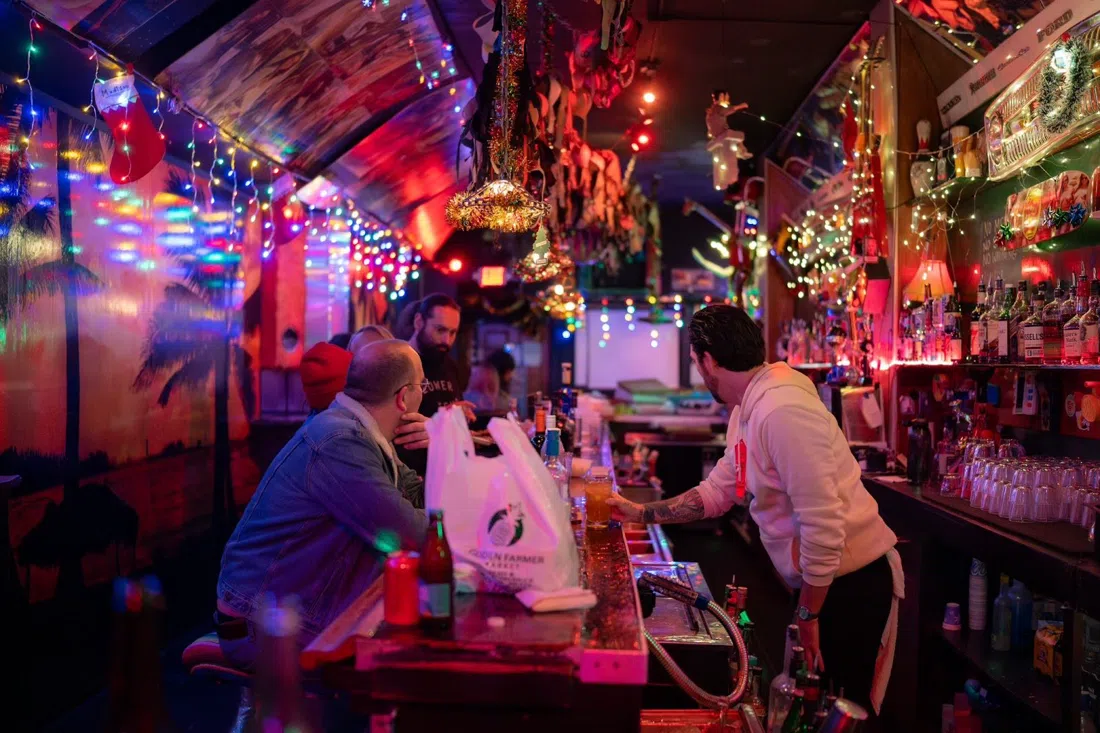
SOMA: What Survived the Lofts
SOMA has absorbed more loft conversions and tech money than almost any other part of the city, which makes its two remaining dives feel like the last witnesses to what the neighborhood used to be.
SF Eagle (SOMA) is a Legacy Business that nearly closed for good in 2019 before reopening, and it's still the closest thing SOMA has to its pre-tech grit — a leather bar with a patio that handles groups well, especially at the Sunday Beer Bust, which is as close to a neighborhood institution as this stretch of the city has left.
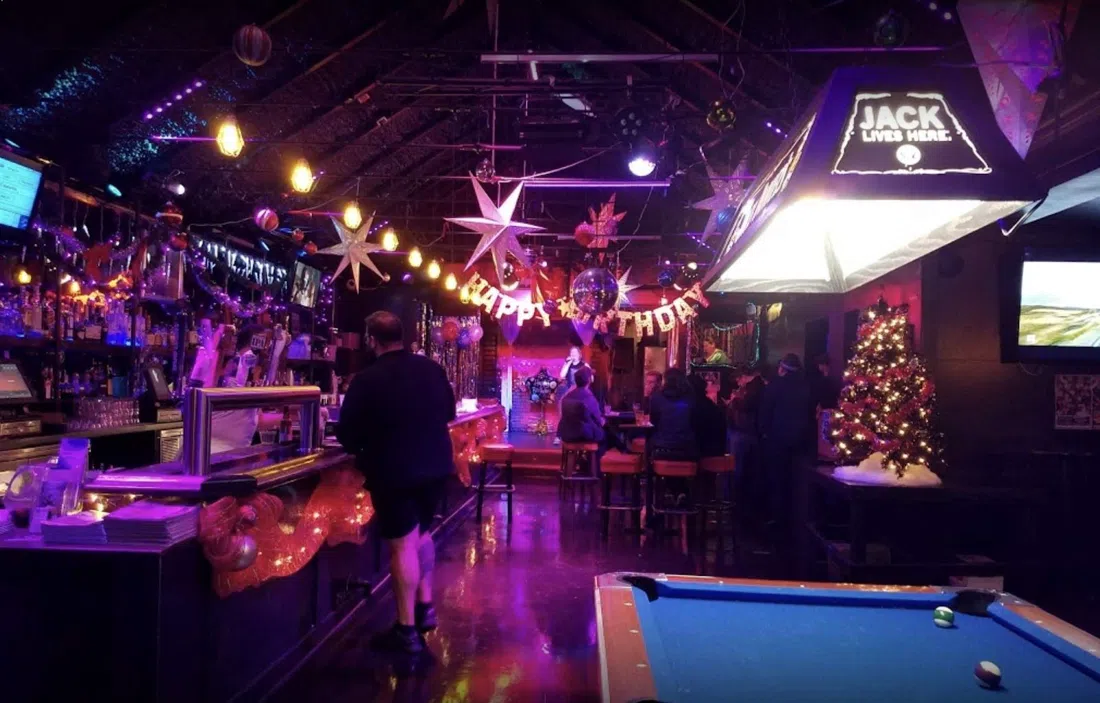
Tempest (SOMA) has been pouring cheap well drinks in the same Natoma Street spot since 1986, a rare holdout from before the surrounding blocks got rebuilt into lofts. It draws a mix that includes a lot of the city's bike messengers, the back patio gives a group somewhere to spread out, and the whole place is easygoing about groups showing up without calling ahead. Neither bar tries to hide what SOMA used to be before the office towers and the loft conversions arrived — they're just still open, doing the same thing they were doing decades before any of that.
Getting There, Paying, and Timing It Right
None of these bars are set up for people who plan a night around a car. Muni's Metro lines and buses cover the Mission, SOMA, and Polk Gulch corridors well enough that you can bar-hop on transit and not think about parking, and the Tenderloin and Polk Gulch spots are walkable from each other in under fifteen minutes. Rideshare is the honest fallback after midnight, when Muni thins out; expect a wait on Friday and Saturday nights near closing time in the Mission especially.
Carry some cash. None of these places are trying to be difficult about card machines, but a lot of them are old enough, and busy enough on weekends, that a card reader going down for ten minutes isn't unusual — cash keeps a round moving. Budget-wise, this whole list runs cheap by San Francisco standards. Most of it sits at the $ tier, meaning a beer and a well drink won't come close to what you'd pay two neighborhoods over; the $$ spots — Latin American Club, Ha-Ra Club, Kozy Kar, SF Eagle, and Zeitgeist — are still modest, mostly reflecting stronger pours or a fuller bar rather than any markup for atmosphere.
Timing matters more than the venue sometimes. Doc's Clock's 6-9pm happy hour is worth building an early stop around. Aunt Charlie's drag nights are a Friday/Saturday-only proposition, and arriving after the room fills means standing for the whole show. Kozy Kar is dark Sunday through Tuesday, so don't plan an early-week Polk Gulch crawl around it. None of these bars take reservations — that's part of what makes them dives — so the real strategy for a group is simple: go early if you want to sit, go late if you just want to drink standing up with everyone else who had the same idea.
A word on manners, since these rooms run on them more than any posted rule does. Tip your bartender, in cash if you can, even if the round went on a card — the margins on a well drink are thin and the regulars watch. Feed the jukebox if there is one instead of asking the bartender to change what's playing. Don't treat a bar full of regulars like a photo backdrop; a quick picture of the neon sign outside is one thing, holding up a phone at the room itself is another, and it's the fastest way to get a cold shoulder from a bartender who's seen it before. None of these places are hostile to visitors — they just expect you to act like you belong there, which, for one night, you do.
If you're building a longer weekend around this, start with the San Francisco guide for the wider lay of the land, and sort out where you're sleeping through San Francisco hotel search — staying central to the Mission or Polk Gulch cuts travel time between stops considerably, since last call doesn't wait for a long ride back from the outer neighborhoods.