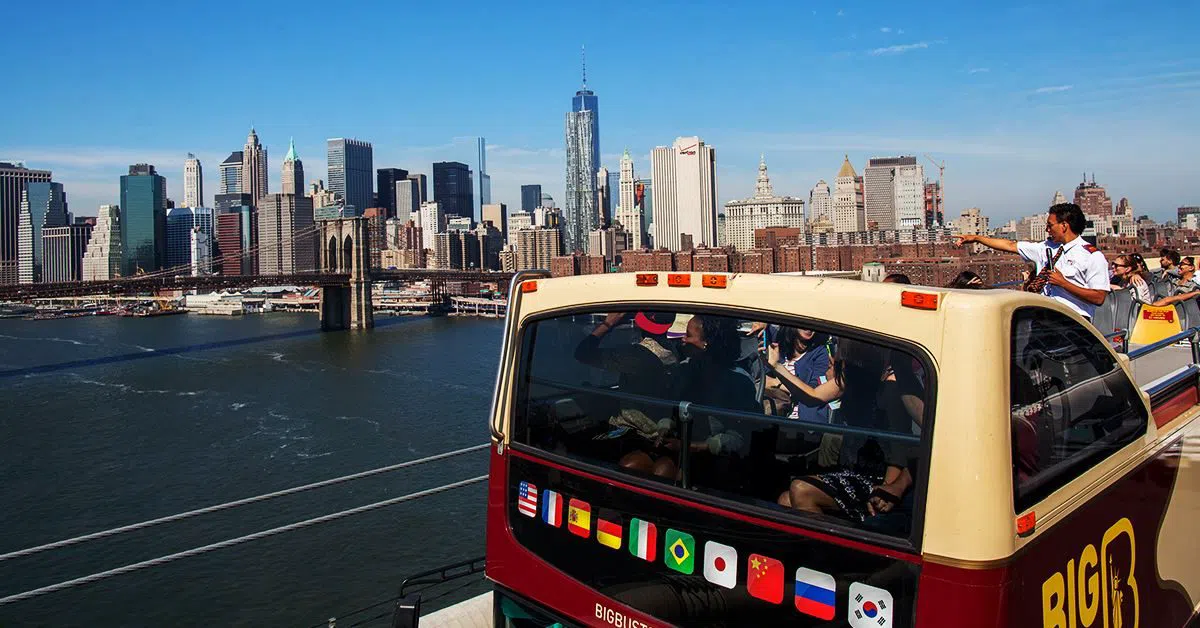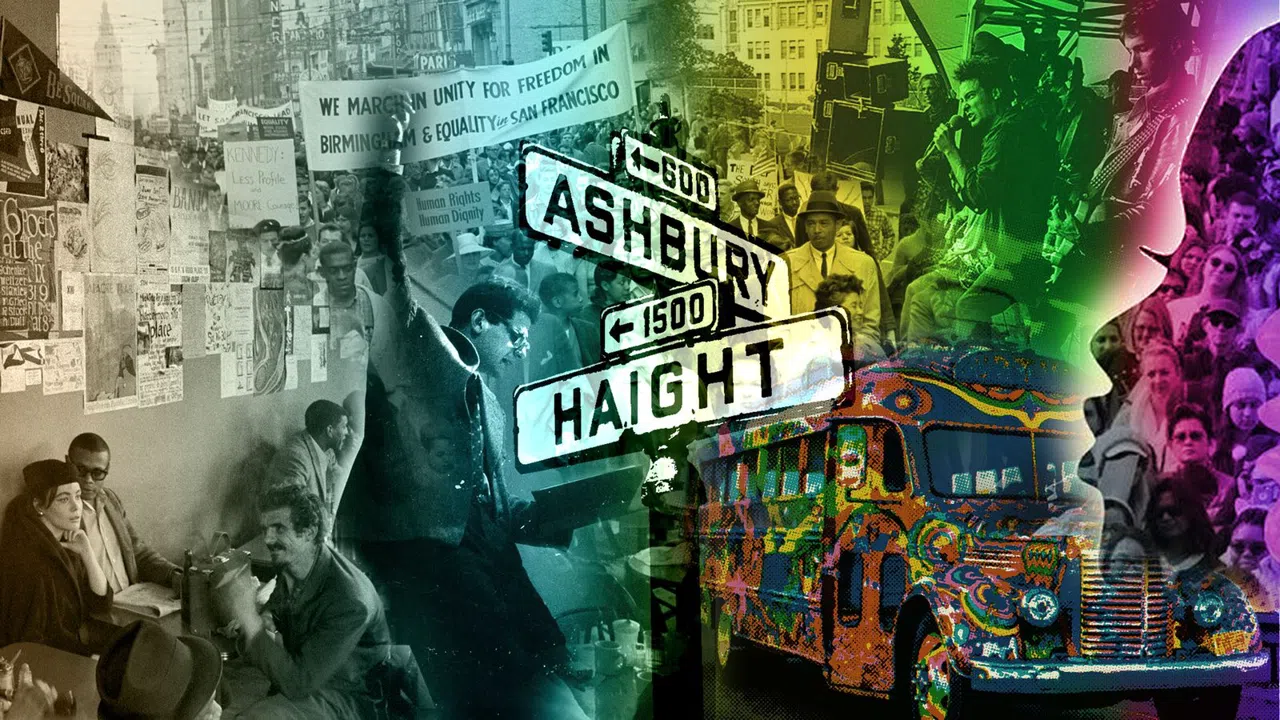

September is when San Francisco hands over its best weather, and the open-top buses know it. They come over the hill, turn onto Haight Street, and slow for six blocks of Victorian bay windows, incense drifting out of doorways, and a pair of giant fishnet-stockinged legs hanging off a first-floor wall. Then the bus is gone, and the question is whether you stayed on it.
What the bus actually shows you
Haight-Ashbury sits on a driving route, not at the end of one. The open-top loops run a long circuit around the city and the Haight is one segment of it, usually stitched between Golden Gate Park and the western approach to downtown. From the top deck you get the thing the street is famous for: the intact double row of 1890s Victorians and Edwardians, painted in colours nobody would dare use today, running unbroken for most of a mile. The commentary tells you about 1967. The windows tell you about 1897, and that is why the street still looks like this.
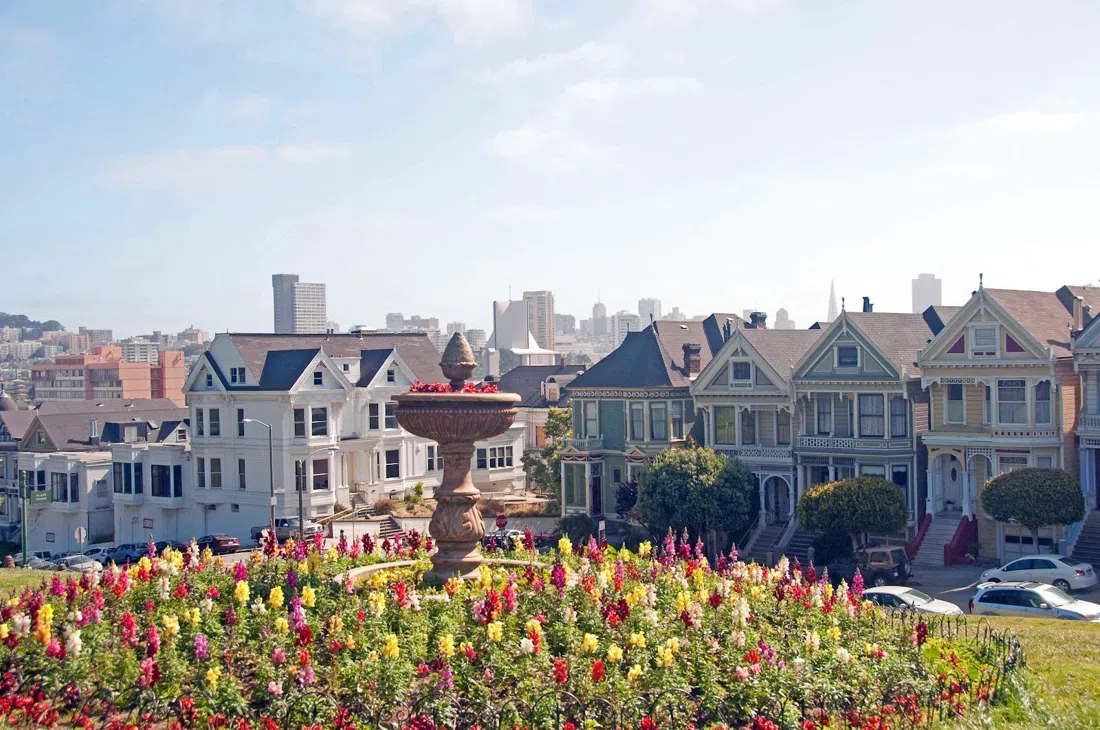
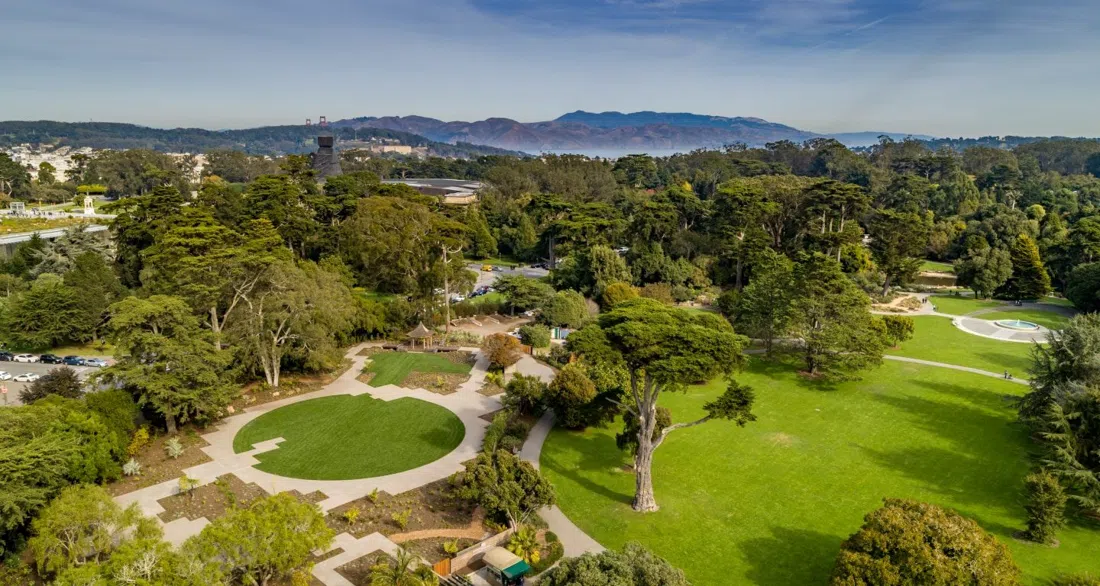
Most routes also stop or slow at Alamo Square Park and the Painted Ladies (Alamo Square, about a mile east of the corner), the other fixture of nearly every neighbourhood drive, and many pass the Conservatory of Flowers (Golden Gate Park, ten minutes from the corner) on the park side. If you stay aboard, that is your Haight-Ashbury: three or four minutes of window, a photo of the street sign at Haight and Ashbury, and a voice in your ear.
Be honest with yourself about what that buys. The corner itself is a commercial strip, with good record shops, good vintage, and a lot of tie-dye sold to people who will wear it once. The interesting part is what you do after you step down.
Getting off at the corner
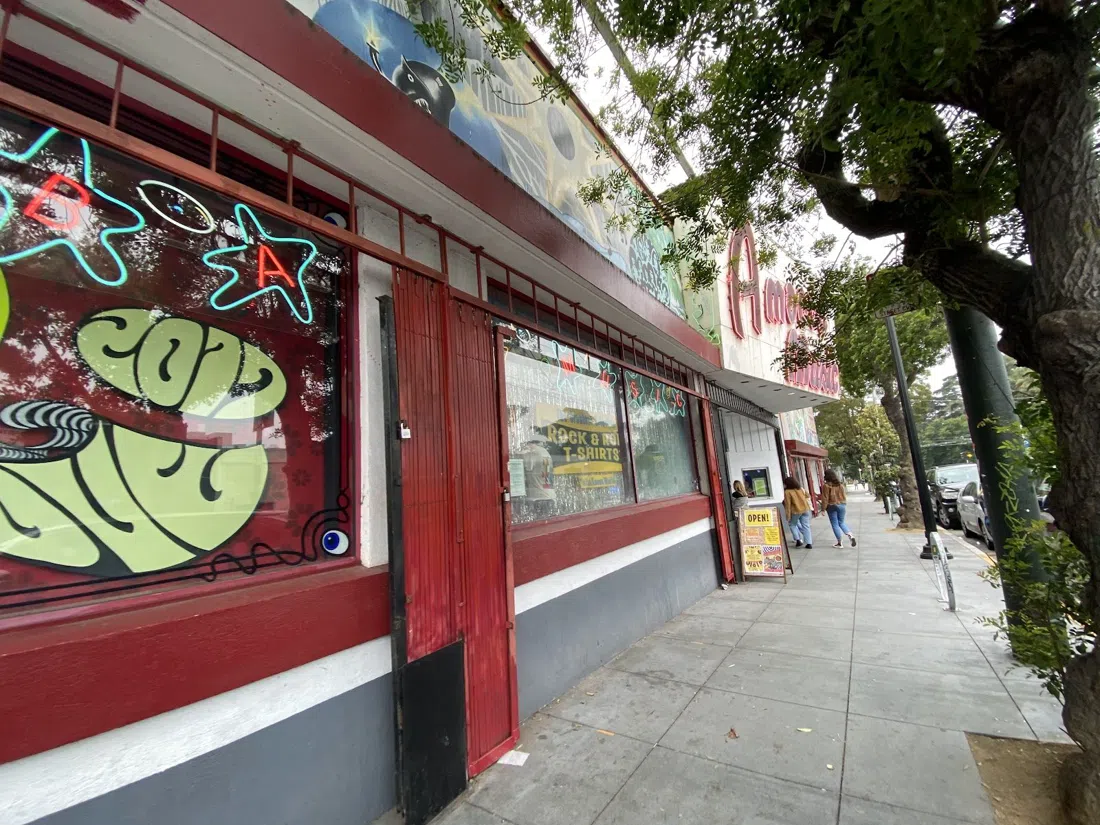
The anchor is Amoeba Music (Upper Haight, at the Golden Gate Park end of the street), a former bowling alley with a floor big enough to absorb an entire coachload without anyone feeling crowded. It is free to browse, used vinyl starts at a few dollars, and it opens 11am to 8pm daily. The used-buying counter shuts at 7pm if you are travelling with records to sell. Free in-store performances happen with no fuss and no ticket; when one is on, the crowd doubles in ten minutes.
Directly across the street, Wasteland (Upper Haight) occupies an old theatre facade that is half the reason the bus cameras point that way at all. Inside is a large, well-lit vintage floor that welcomes browsers in numbers; prices are mid-range with designer pieces higher, and the buying counter runs noon to 6pm on weekdays. Hours are 11am to 8pm Monday to Saturday, 11am to 7pm Sunday.

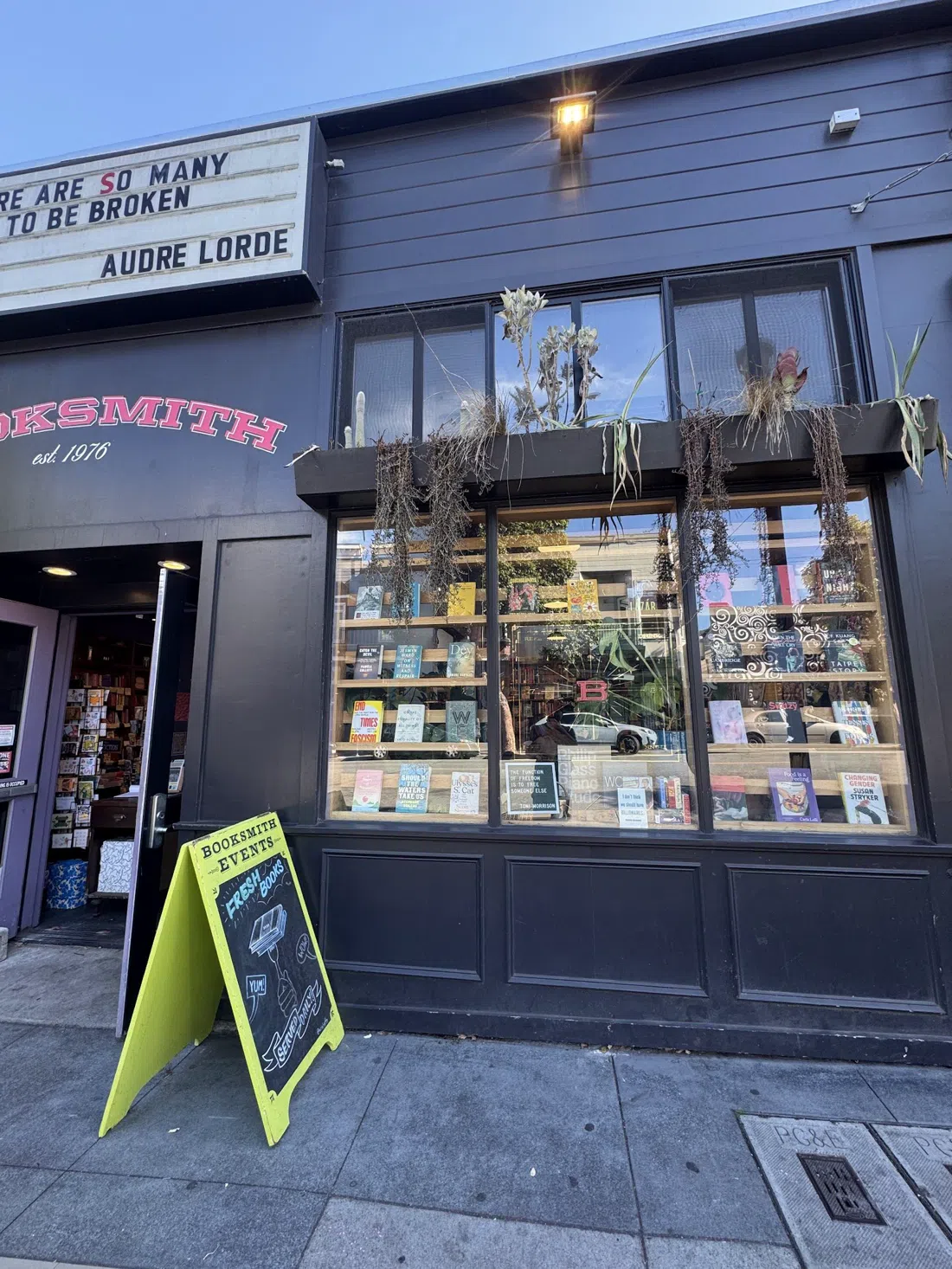
The Booksmith (Upper Haight) has been on the same street for fifty years and is still the literary anchor of the area, but the floorplate is small. Two or three people browsing is pleasant; a tour group is not. It runs a busy ticketed author-event programme, so check what is on before you plan an evening around it. Open 11am to 7pm daily, free to browse.
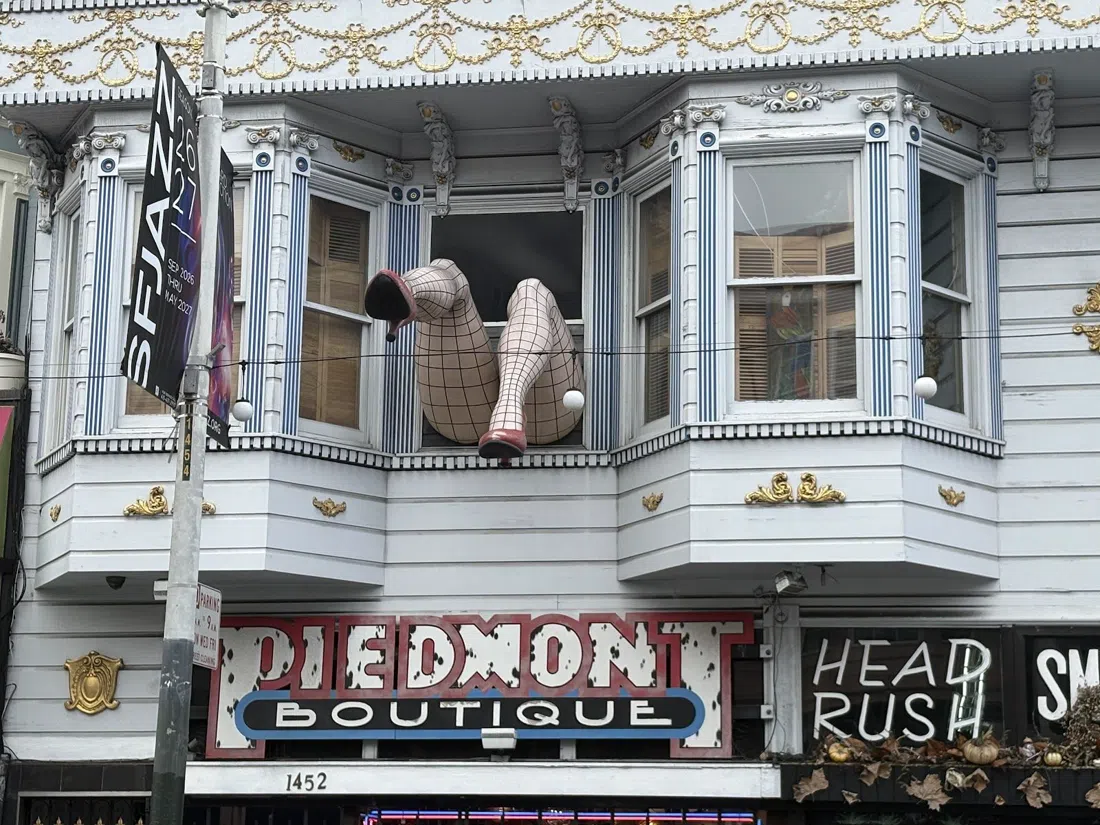
Then there is Piedmont Boutique (Upper Haight), the feather-and-sequin costume shop whose enormous legs have been up on the wall since 1995. It is a legacy business and a guaranteed photograph on any drive-past, but the shop is tiny, two or three at a time rather than a group stop, and it is closed Tuesday and Wednesday. Check the reduced days before walking up; plenty of people do not, and stand outside photographing a closed door.
Where the era actually gets explained
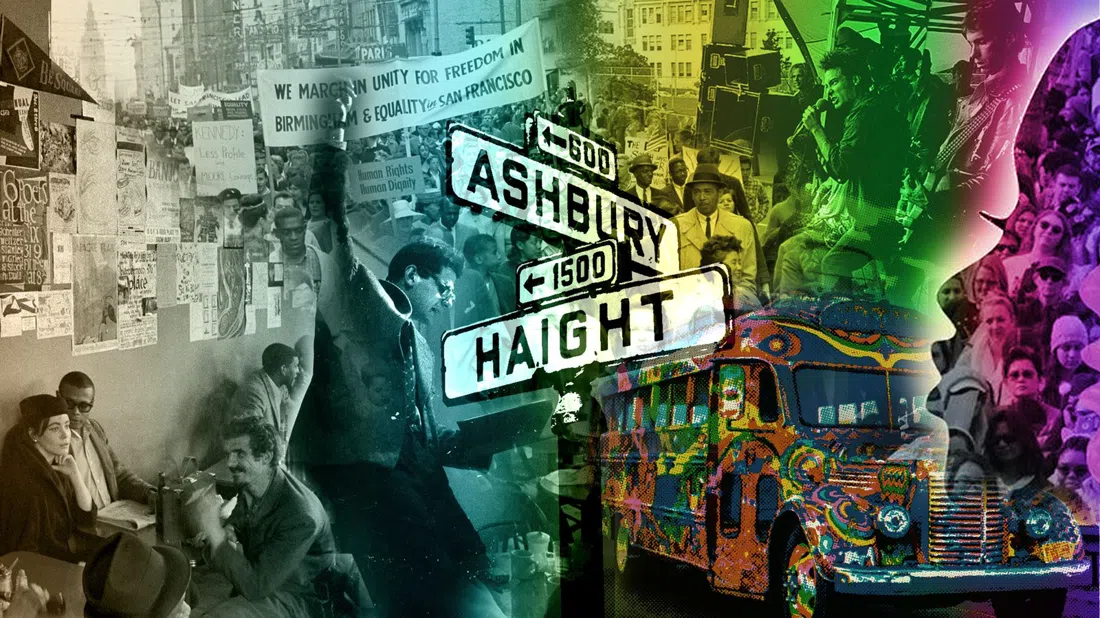
The best thing to happen to this street in years is the Counterculture Museum (Upper Haight), which opened in May 2025 and was named one of TIME's World's Greatest Places in 2026. It is the only indoor venue that properly explains the era the tour buses drive through: the politics, the music economy, the housing, the fallout. General admission is $10, $8 for students, seniors, teachers and military, and advance tickets are valid any day with no reservation needed, which suits a loose bus-tour schedule. There is a guided tour on Sundays, 11:30am to 1pm, for $25, and the museum takes group and private bookings. It is closed Monday and Tuesday, worth planning around, because without it the street is scenery.
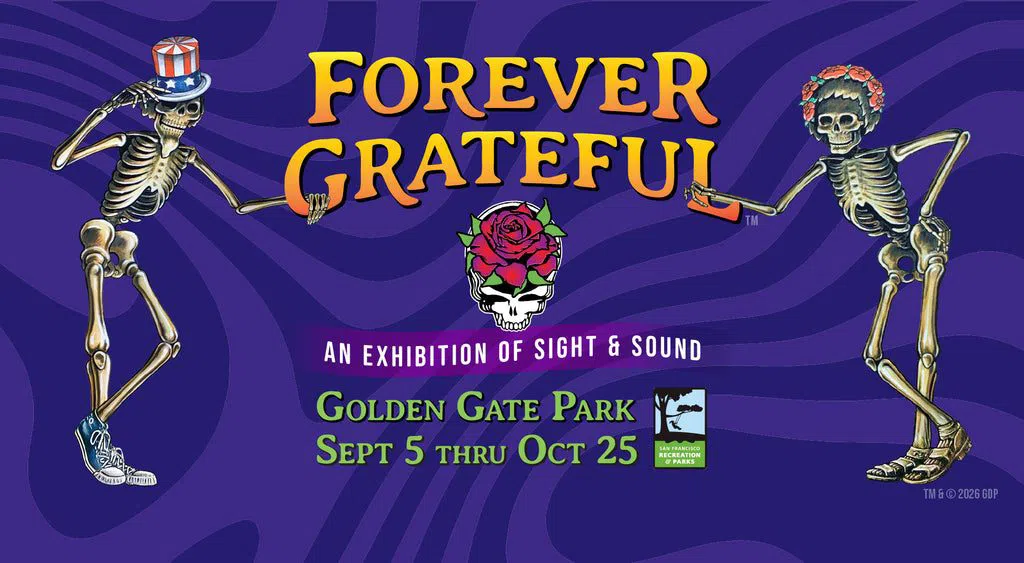
A mile east, Haight Street Art Center (Lower Haight) carries the psychedelic poster trade on as a working business rather than a memorial, with a print studio behind the gallery. Admission is free, it runs 'Forever Grateful' along with a Melanie Cervantes show through 2026, and it takes group bookings and private events, though the gallery is small and works best in modest numbers. The catch is hours: Thursday to Sunday, noon to 6pm only. If your loop passes on a Tuesday, it is simply shut.
Coffee first, lunch after, one small bar at the end
The shops on Haight do not unlock until 11am, so an early bus drops you onto a sleeping street. Coffee to the People (Upper Haight) opens at 7am daily and is the pre-tour stop: casual, roomy enough for a handful of people, with coffee, sandwiches and soups at the cheap end. The free open mic on Friday at 7:30pm fills the room completely, which is either the reason to come back or the reason not to.

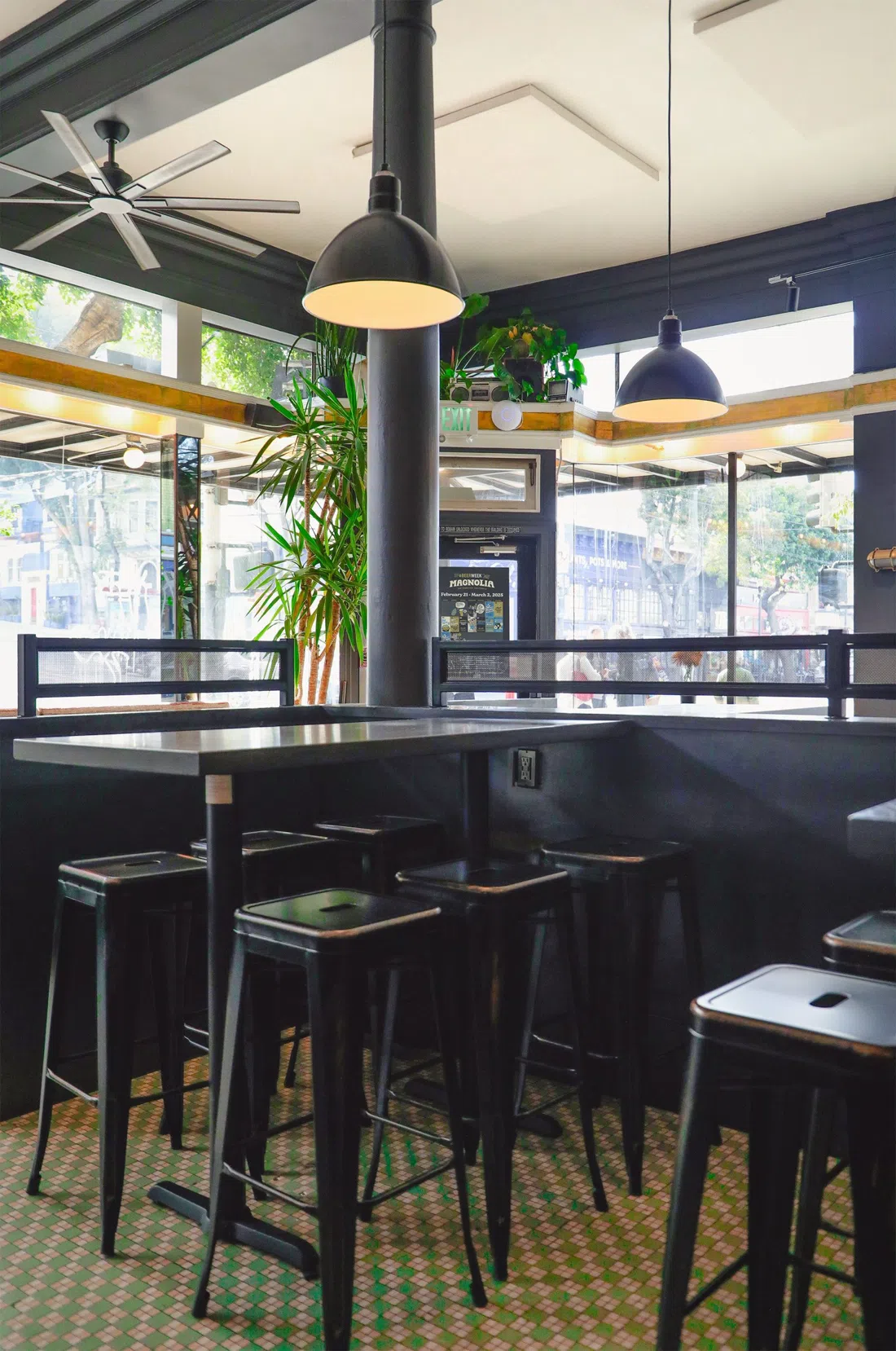
For lunch, Magnolia Bar & Kitchen (Upper Haight) is the most reliable sit-down on the strip. It closed for three months in 2024 during a sale and reopened that December under local owners; it now runs midday to midnight with the kitchen on until 10pm, serving pub plates and house beer at mid-range prices. Large parties and private events are handled directly by the owners, so it is one of the few places here you can book a group into without improvising.
Cha Cha Cha (Upper Haight) has been on the street since 1984 (a second location elsewhere in the city closed, this one did not) and is built for groups: shared Caribbean plates, sangria, large-party reservations, catering and event bookings. It is the easiest room here to seat eight people without a negotiation.

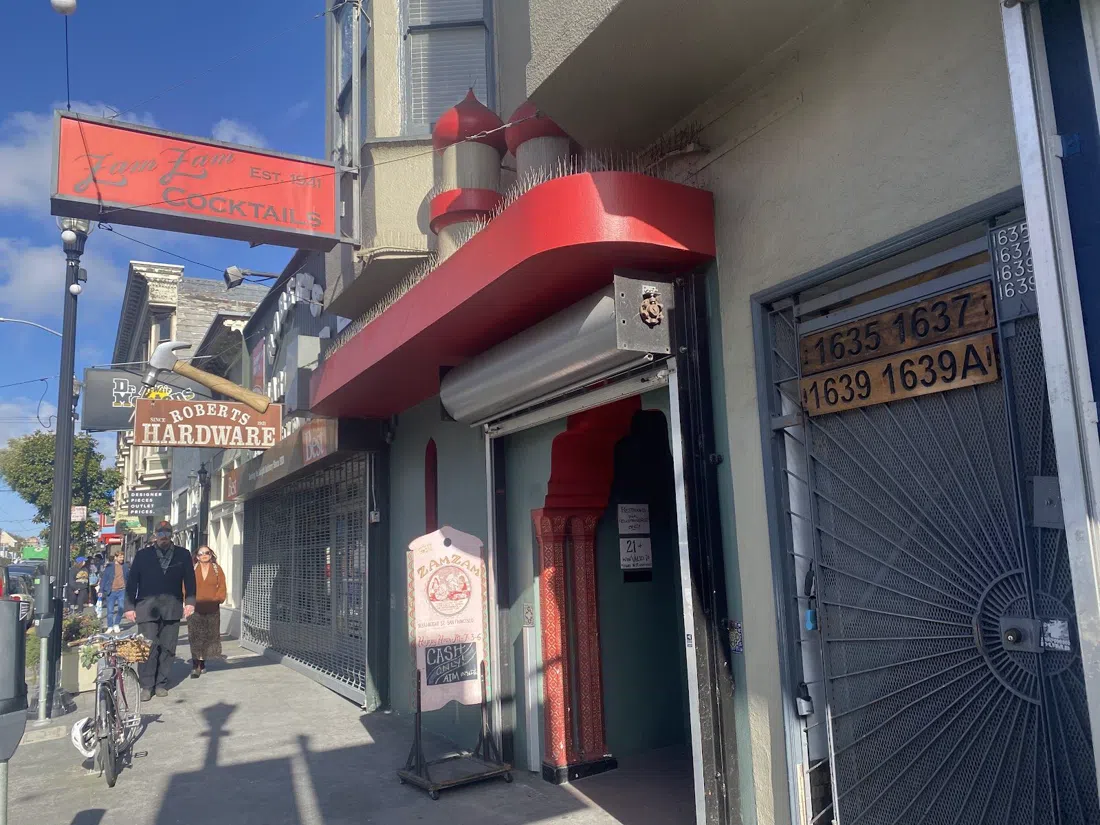
And then Zam Zam (Upper Haight), a genuine 1940s survivor and the best late stop in the Upper Haight. Two or four people, no more. It is famously particular about how it runs, the room is very small, and it takes no cards at all, so bring notes. It opens at 3pm on weekdays, 1pm at weekends, with happy hour Monday to Friday 3pm to 6pm. A tour group walking in will not be absorbed; a couple will have a good hour.
Hills, meadows and a glasshouse
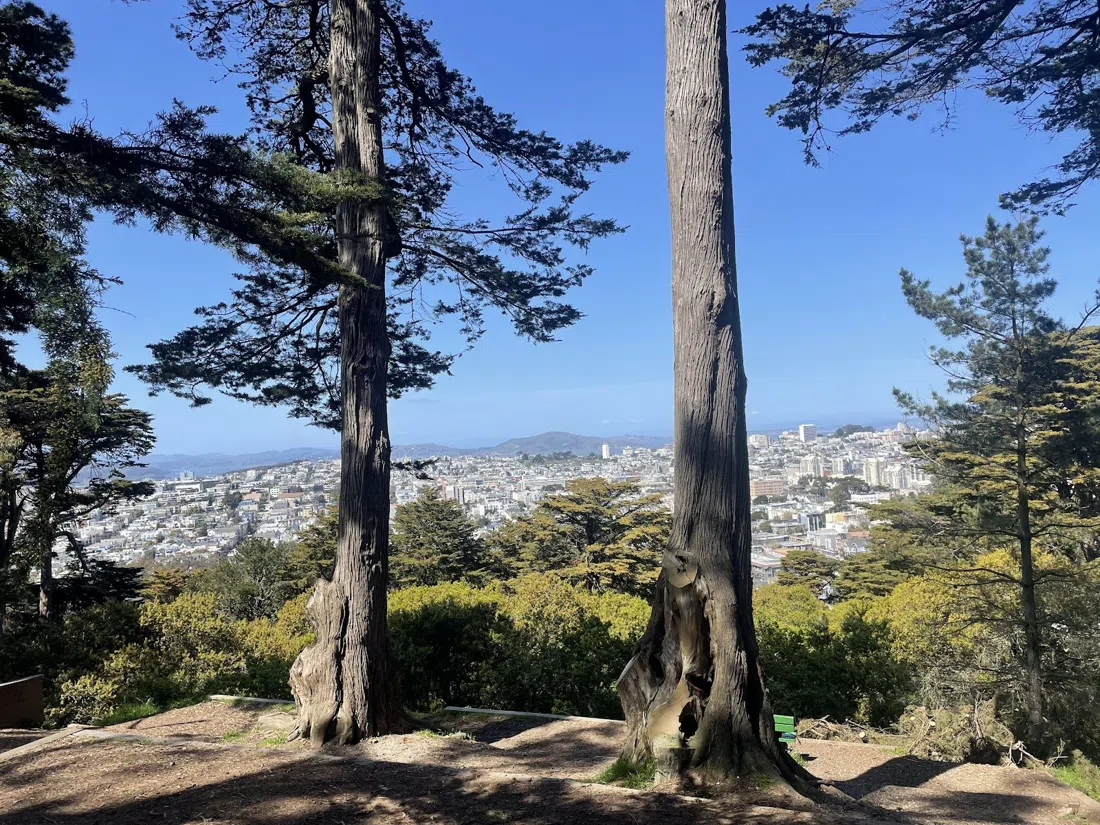
Buena Vista Park (Haight-Ashbury, on the eastern edge) is the oldest park in the city and the closest real viewpoint to the corner. It is free and open, but the paths are steep and unlit, so daylight only, and with company. A pathway rebuild is designed for late 2026 with construction not starting until mid-2027, so access this September is completely normal.
Walk the other way and Hippie Hill, Robin Williams Meadow (Golden Gate Park, one block from Haight and Stanyan) is the natural end of the street, a wide-open meadow that takes any size of group happily. Large permitted events periodically take over the grass, so check before promising anyone the whole field.
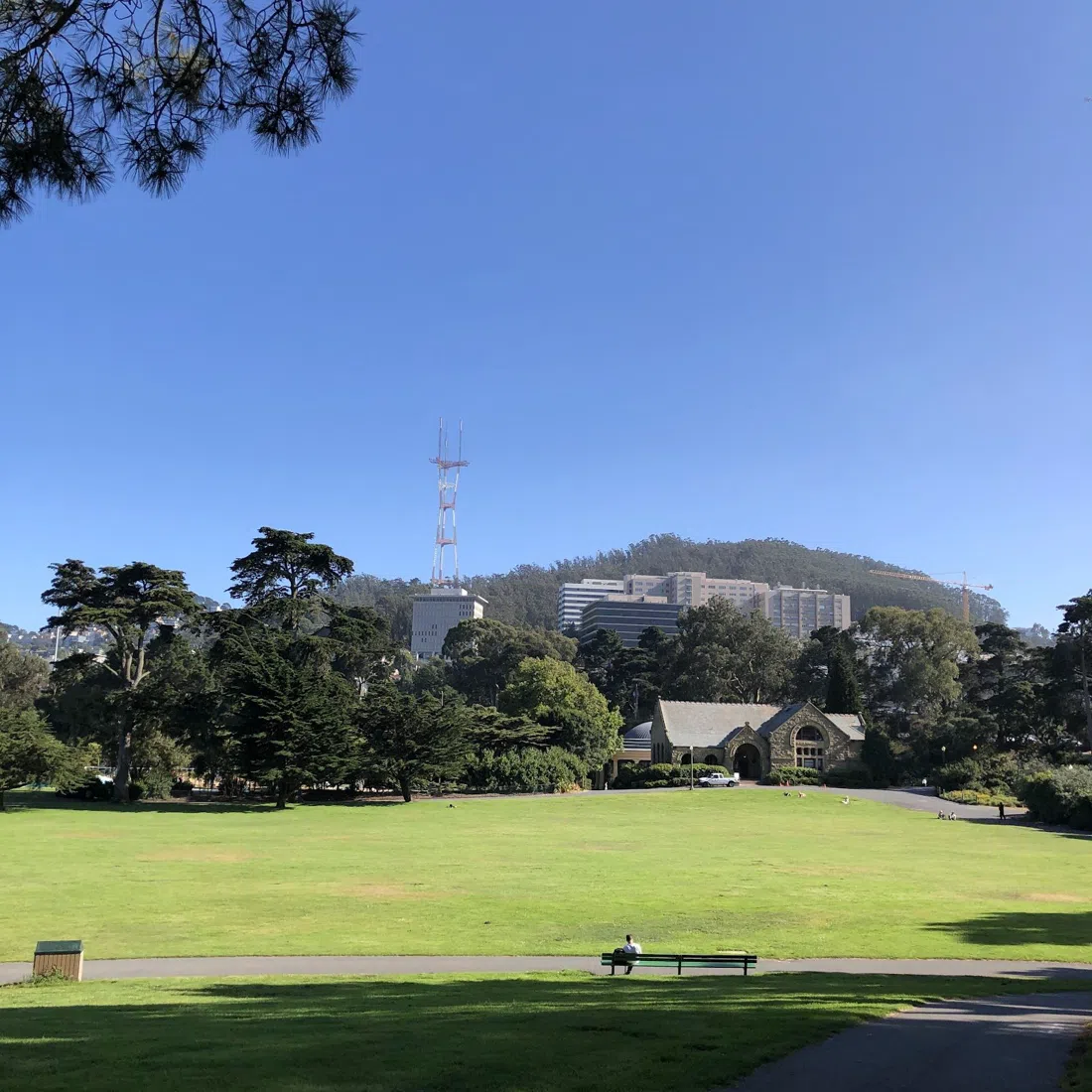
On a properly grey morning, the Conservatory of Flowers is the prettiest indoor option in range: $12 for non-residents, free for San Francisco residents and free to everyone on the first Tuesday of the month. It is closed Wednesdays, last entry is 4pm, and midday is when the coach crowding peaks. Alamo Square Park opens 5am to midnight; go before 10am at weekends, because crowds build through the morning and sit at their heaviest between 1pm and 5pm on weekdays.
How long it takes and when to ride
A full open-top city loop runs roughly 75 minutes to two hours without getting off. The Haight portion of it is minutes. If you want the street itself, budget three to four hours on the ground: coffee at 10am, museum at 11am when the doors open, an hour across Amoeba and Wasteland, lunch at 1pm, and the meadow or the park hill after.
Morning beats afternoon, and weekdays beat weekends. Before 11am the street belongs to people who live on it. From mid-afternoon Friday through Sunday it belongs to everyone else, and the Alamo Square lawn becomes a queue of tripods. The guided options run seven days a week, so there is no structural reason to take the busiest slot.
Tickets at the door versus booking ahead
Everything in the area that charges money is cheap and walk-up: $10 at the museum, $12 at the glasshouse, free at the art centre, the parks and the shops. Nothing here requires a reservation except the museum's Sunday guided tour and any large-party restaurant booking.
The bus is the part worth sorting in advance. Guided sightseeing loops covering this stretch start from 56 USD per person and run seven days a week, so a September date is rarely a scramble, but booking online before you arrive spares you a kerbside queue at a ticket kiosk on a cold morning, and flexible cancellation is standard on the open-top products. If you would rather have a person than an audio track, guided small-group and classic-car options cover the same ground at a higher price and a slower pace.
Groups, doors and what will not fit
This is a street of small rooms. Amoeba, Wasteland, Cha Cha Cha, Magnolia and the two parks will take a coach-sized party without blinking. The Booksmith, Piedmont Boutique and the art centre want small numbers. Zam Zam will not take a group at all, and there is no point testing that: it is a twenty-seat bar with a long memory. The Counterculture Museum and Haight Street Art Center both take group and private bookings, which is the civilised way to move fifteen people indoors here.
Is it worth it
As a drive-past, Haight-Ashbury is the weakest segment of any city loop: you get a street sign and some very good architecture at 15mph. As a half-day on foot, reached by a bus you hop off, it is one of the better things you can do in San Francisco that costs almost nothing. The bookable tours across this attraction carry 13,495 traveller reviews between them, with the top open-top loop rated 4.1 out of 5 from 4,751 of them, which is about right: a solid, useful way to move around a hilly city, not a destination experience in itself.
It suits first-time visitors who want orientation, music and vintage people, and anyone curious enough about 1967 to spend an hour in a museum reading about it properly. It does not suit anyone expecting the street to still be what the commentary describes.
Best time to go in September 2026
September is the good month here: the fog that defines June and July usually burns off by late morning and the afternoons are the warmest of the year. That does not mean warm on an open top deck at speed. Ride with a windproof layer and a hat; the temperature on the upper deck is roughly ten degrees colder than the temperature on the pavement.
Aim for a Thursday, Friday, Saturday or Sunday if you want Haight Street Art Center open, and avoid Monday and Tuesday if the Counterculture Museum matters to you. That combination points at Thursday, Friday or Sunday as the cleanest days. Avoid Wednesday if the Conservatory of Flowers is on your list. Ride the earliest loop you can stand, be at the corner by 10am, and the whole strip is yours before the afternoon buses arrive.
Practical notes
Transport. Muni's 7 runs the length of Haight Street and the 33 crosses near Ashbury; the N Judah light rail stops a few blocks south at Carl and Cole, an easy walk up. Open-top loops stop at the park end of the street. Driving is the worst option, because street parking is scarce and metered, and the hills are unkind to unfamiliar drivers.
Cash. Nearly everything takes cards. Zam Zam does not, and there is no negotiating it, so carry $40 in notes if a late drink is part of the plan.
Timing. Shops open at 11am, the café at 7am, Magnolia from midday, Zam Zam from 3pm on weekdays and 1pm at weekends. The art centre is Thursday to Sunday only. Buena Vista Park in daylight, never after dark.
Budget. A realistic day: from 56 USD for the bus, $10 at the museum, $12 at the glasshouse, $25 to $35 for lunch, nothing at all for the shops, parks and gallery. For where to sleep within walking distance of the park end of the street, start with the San Francisco hotel search, and for how this fits with the rest of the city see the full San Francisco guide.