The San Francisco issue
Mission District, San Francisco: the neighbourhood guide
Murals, mission-style burritos, and the sunniest park in the city — how to actually spend a day in the Mission in 2026.
By Jonas BakkerThe city's hills, fog and neighbourhoods, one route at a time
The fog rarely reaches this far south and east, which is half the reason San Franciscans spend their free afternoons here instead of anywhere else in the city. The Mission is where the 1906 earthquake's rubble met wave after wave of new arrivals — Irish and German first, then Mexican and Central American families through the mid-20th century, then the tech money that's still renegotiating the rent — and every layer is still visible if you know where to look: on a taqueria's steam-fogged window, on a garage door painted floor to roofline, on the tiled facade of a 1791 mission chapel sitting quietly behind a block of new condos. This guide walks it the way a local would, from the building that gave the neighbourhood its name to the bar stools where it actually unwinds at the end of the day.
Mission Dolores and the murals: where the neighbourhood explains itself
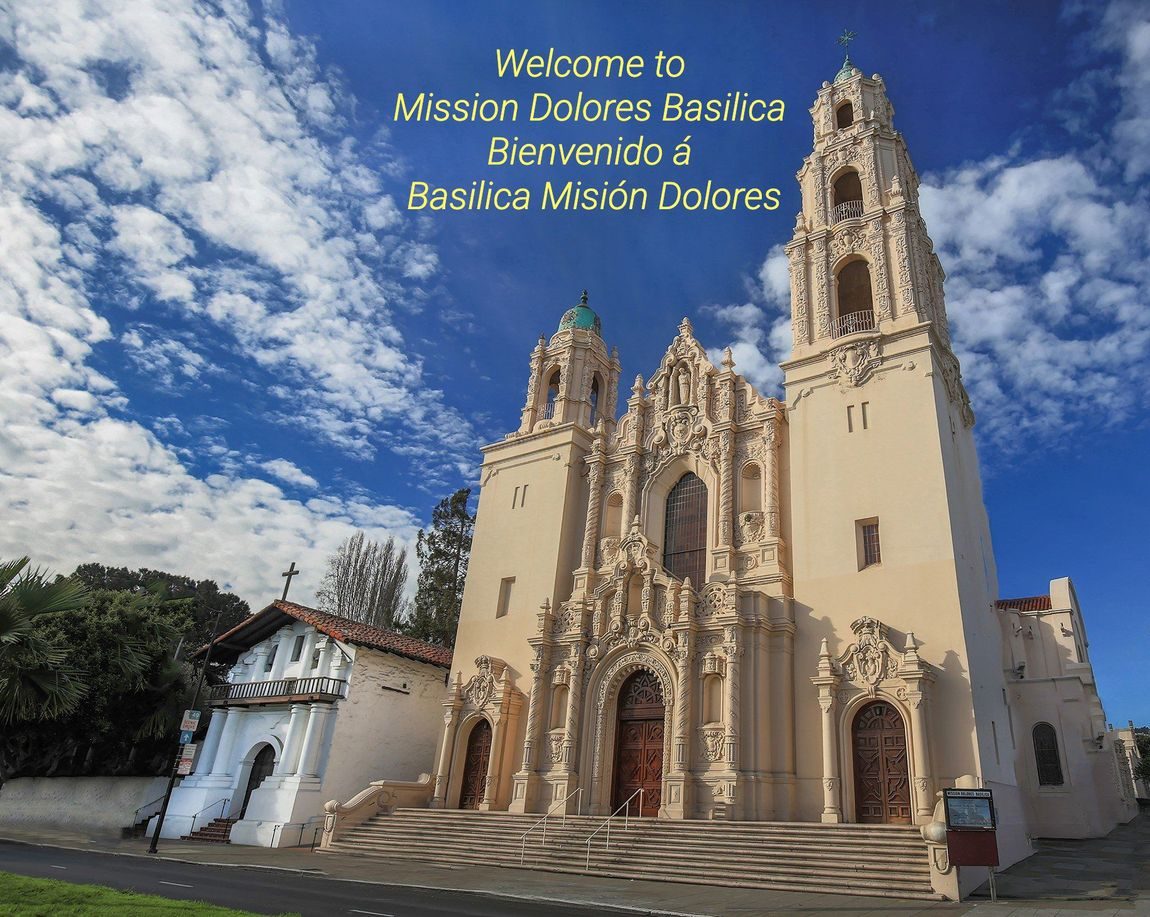
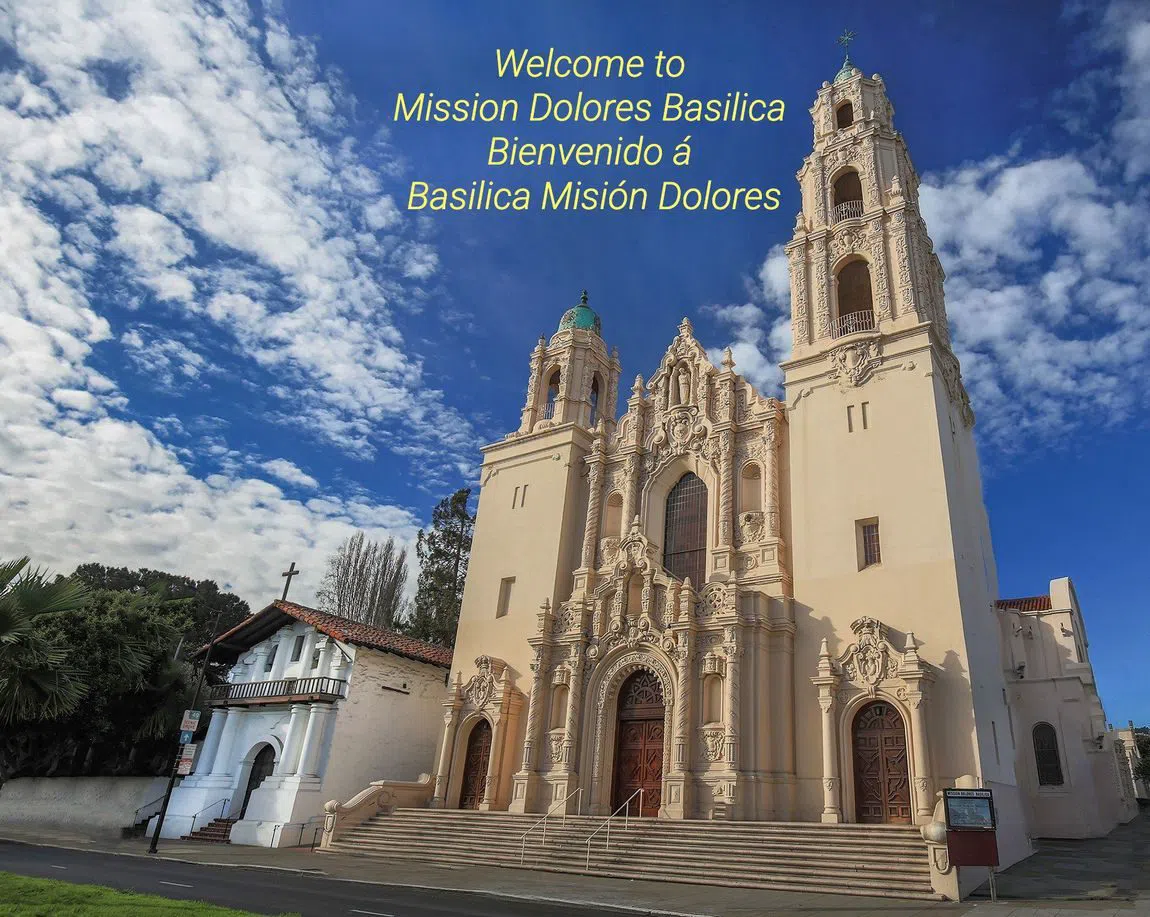
Start at Mission Dolores Basilica (Mission San Francisco de Asís), on Dolores Street at 16th — the city's oldest standing structure and the literal namesake of everything around it. It's a self-guided visit, no formal group booking required, and a $8–10 donation is suggested at the door. Small groups wander through easily; go in the morning before the tour buses find the parking on Dolores. The wooden ceiling beams, painted with Ohlone basketry patterns by the Native labourers who built the place, are the detail most people miss on their way to the gift shop.
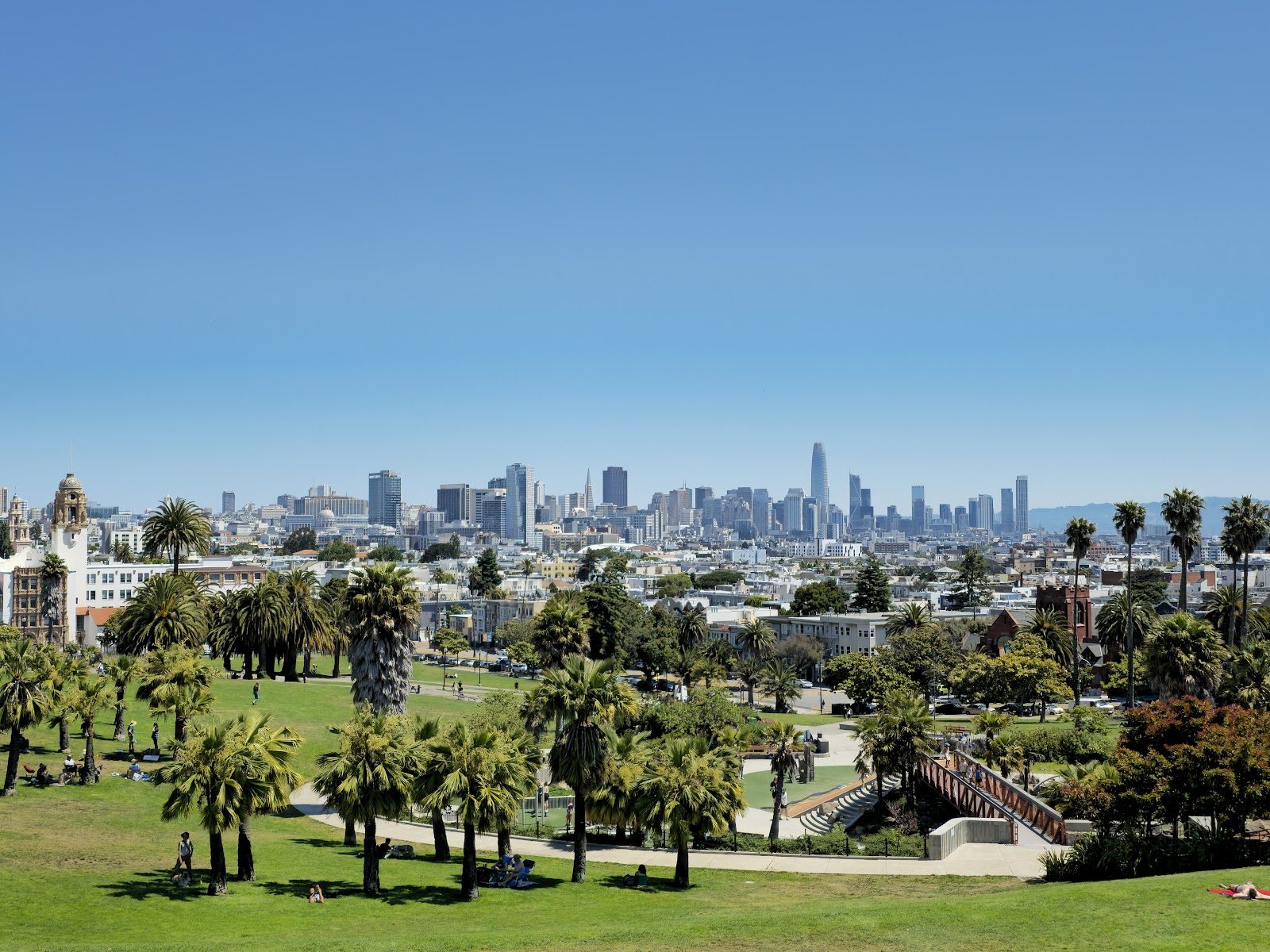
From there it's a five-minute walk to Mission Dolores Park, the sloped green rectangle between Dolores, Church, 18th, and 20th that functions as the neighbourhood's front lawn. There's no booking system because there's nothing to book — it's open, free, and on a warm weekend afternoon it will be as crowded as any beach in the state, with taco carts working the fence line and a skyline view over downtown from the upper terrace. Go on a weekday morning if crowds aren't your thing; go Saturday at 3pm if they're exactly your thing.
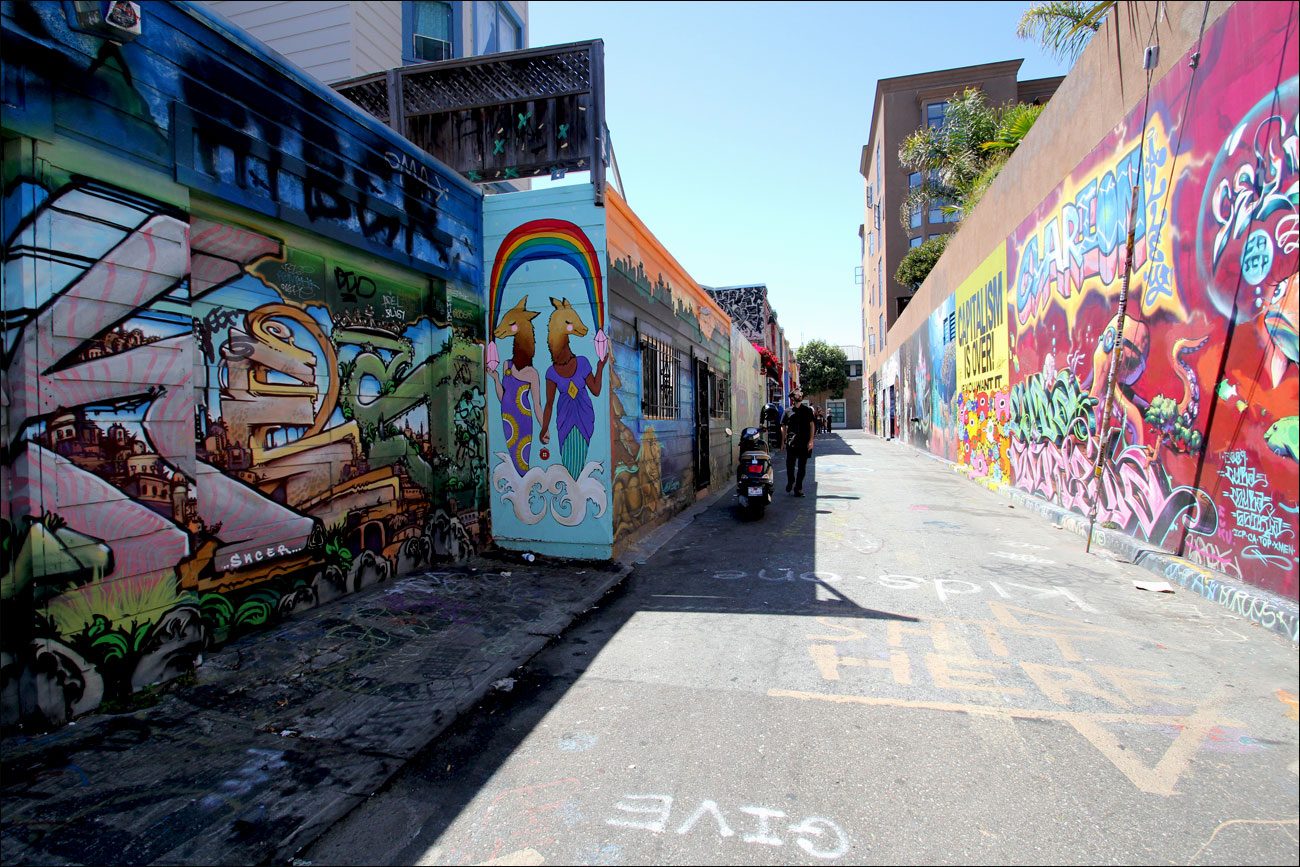
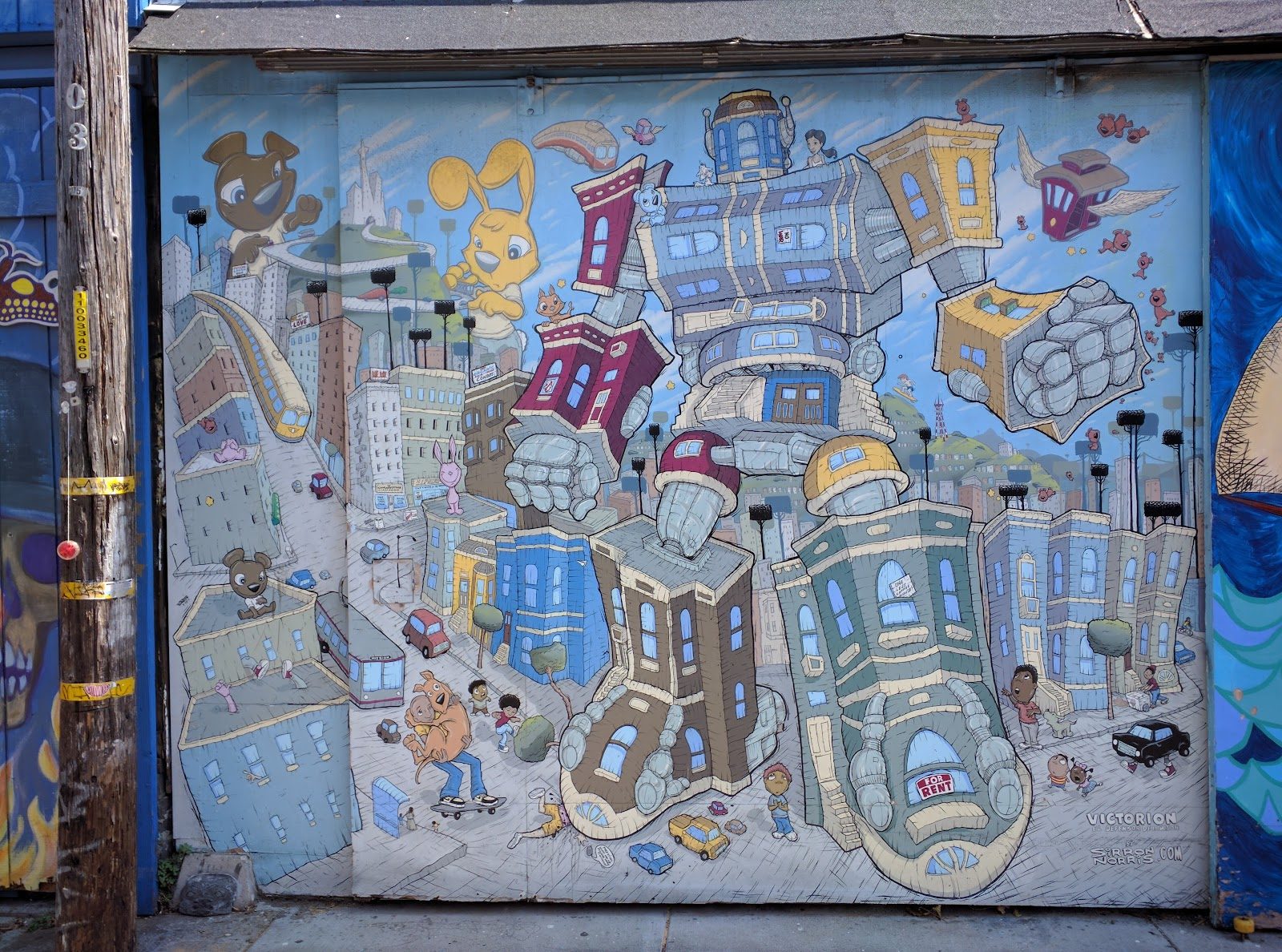
The murals are the other half of the Mission's visual identity, and they split into two personalities. Balmy Alley, a narrow lane off 24th Street between Harrison and Treat, is the original and still the densest concentration of murals in the city — open-air, 24/7, free, and fine for groups of any size since it's essentially a public sidewalk. The murals date back to the early 1970s and trace the Mission's Central American history directly, and a 2026 restoration effort is underway, so expect some panels freshly repainted and others visibly weathered — that contrast is honestly part of the point. A fifteen-minute walk north, Clarion Alley Mural Project, between Mission and Valencia at 17th Street, is the rawer counterpoint — social-justice and politically pointed street art curated by a volunteer artist collective rather than a single commissioning body. It's self-guided and free any time, but if you want context, guided tours run alternating Saturdays at 1pm from the Valencia Street entrance for a $5 sliding-scale donation. New murals get added every October, so it's worth a second visit if you're back in the neighbourhood later in the year.
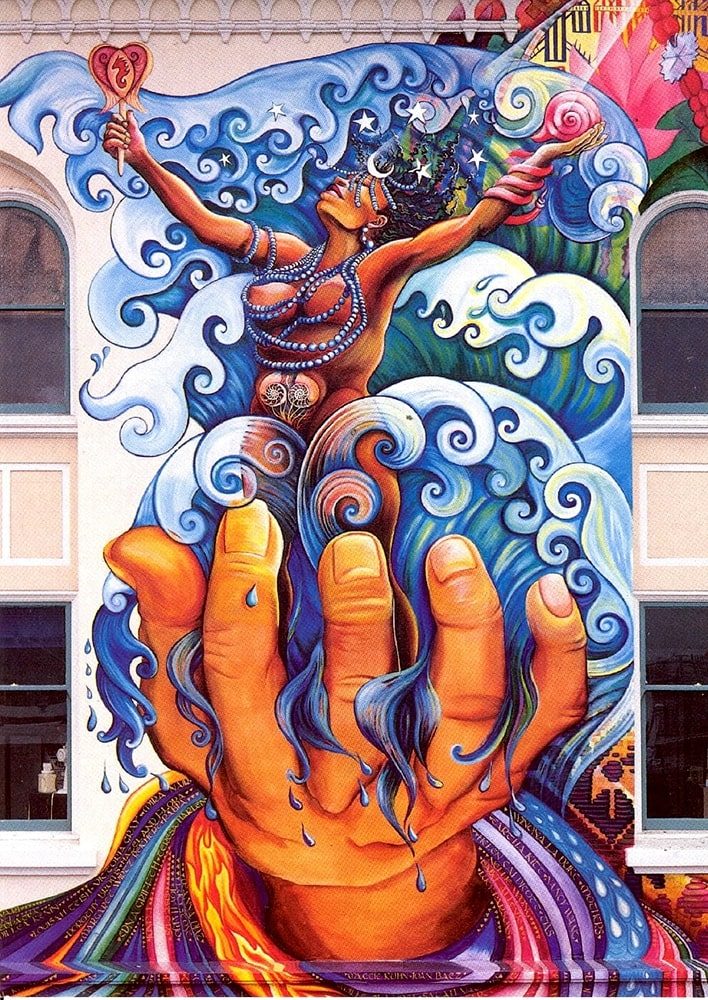
Close the loop with The Women's Building and its Maestrapeace mural, on 18th Street near Valencia — one of the largest and most photographed murals in the city, covering the entire facade of America's first women-run community centre. It's viewable from the street at any hour, free, and groups can stand and take it in without disturbing anyone; there's no interior tour, this one's purely a street-level stop.
Plan your San Francisco trip
Live prices from our booking partners.
Free cancellation on many rooms. We may earn a commission when you book.
Where to eat: from the two-Michelin-star splurge to the counter-service classic
The Mission's food identity runs on two tracks — the fine-dining wave that started here in the 2010s, and the Latin American cooking that's been here far longer and is arguably the more honest reason to come.

For the splurge, there's Lazy Bear, tucked into a converted supper club on Fillmore-adjacent Mission Street — two Michelin stars, a tasting menu running $300 or more per person, and the reservation locals still argue over months in advance. The seating is communal by design, so solo diners end up sharing a table and a conversation with strangers; if you're bringing a larger private group, you'll need to arrange that ahead of time directly with the restaurant, since the format doesn't naturally flex for big parties. This is the one night in the piece worth the splurge.
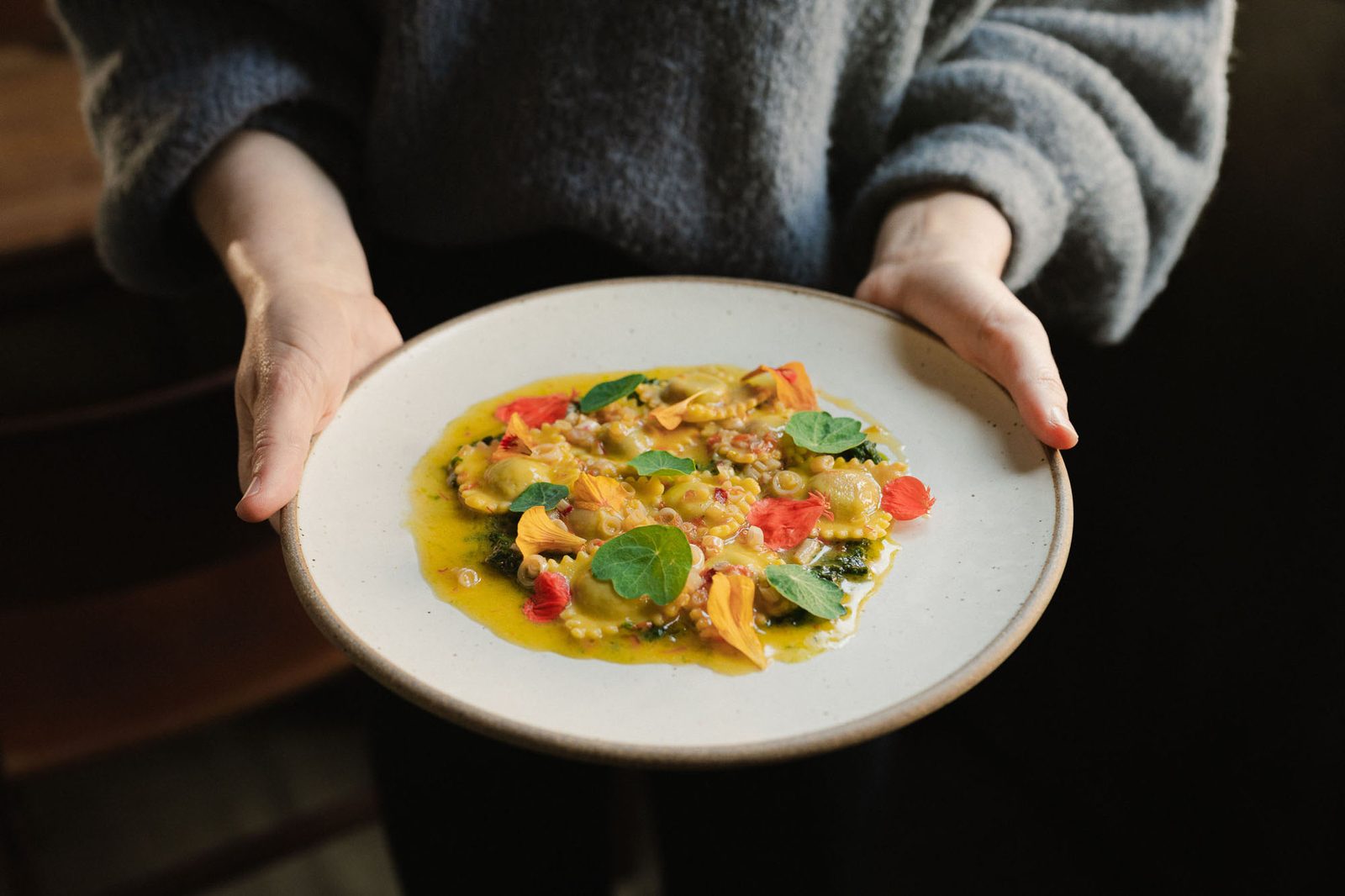
One rung down in price but not in ambition, Foreign Cinema, on Mission Street near 21st, does Californian-Mediterranean food well, but the actual draw is dining in the courtyard under a film projected on the back wall — a genuinely strange and wonderful thing to stumble into on a first visit. It seats groups comfortably and reservations are recommended, especially for a courtyard table on a clear night. Flour + Water, on Harrison near 20th, helped kick off the Mission's fine-dining reputation in the first place and is still one of the city's best pasta tables; the small-plates sharing format suits groups naturally, but it remains a genuinely hot ticket, so book ahead rather than walking in hopeful.
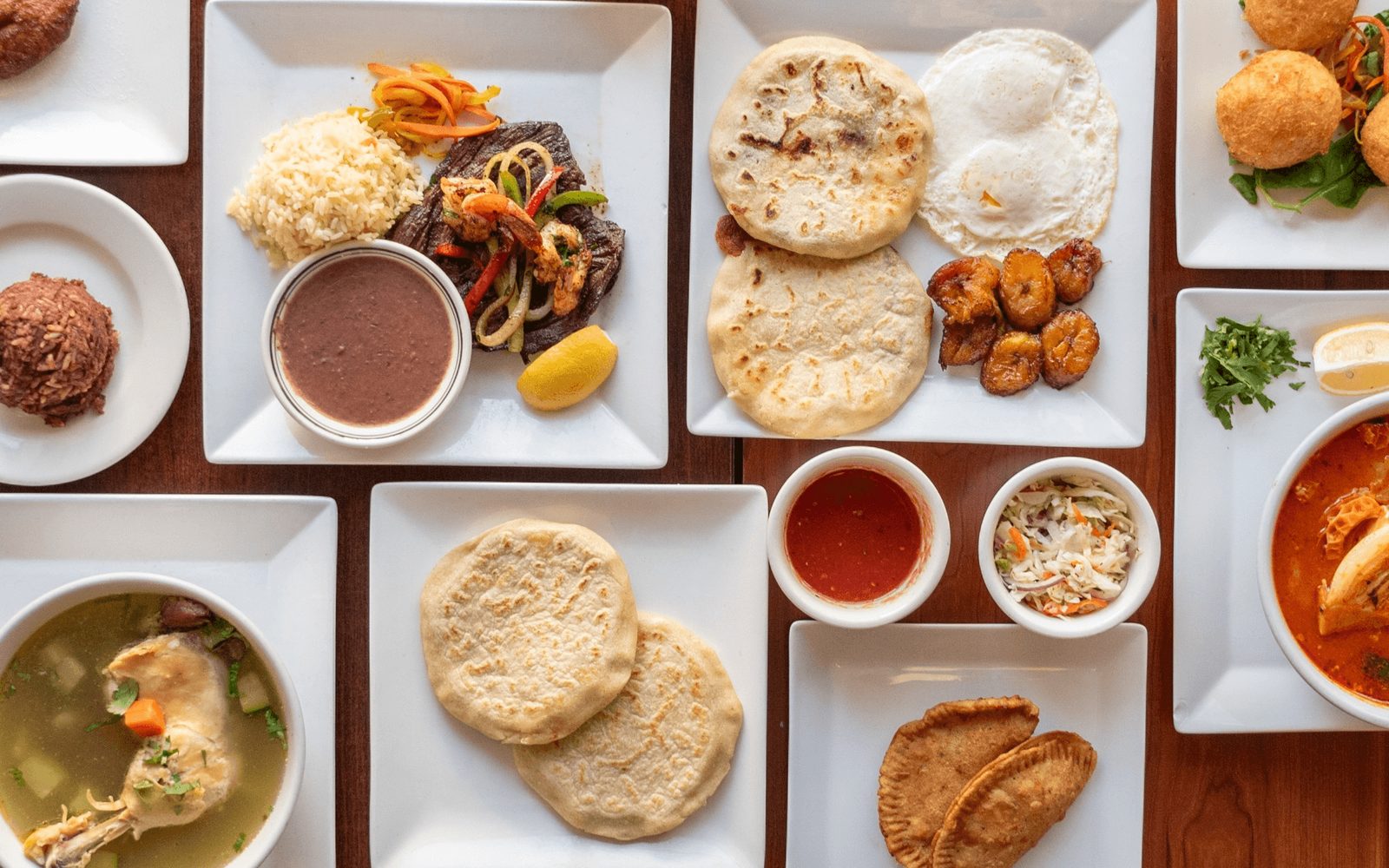
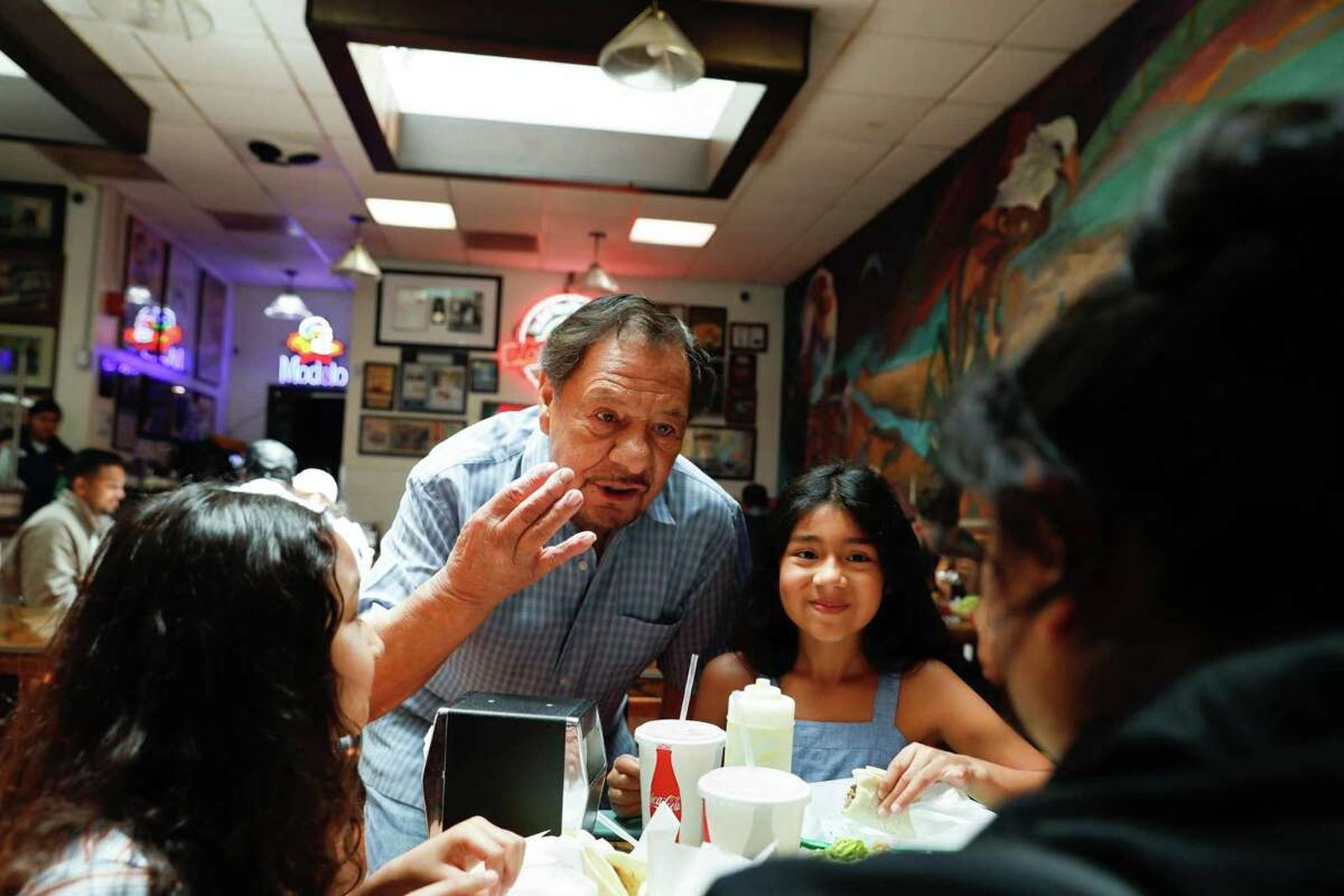
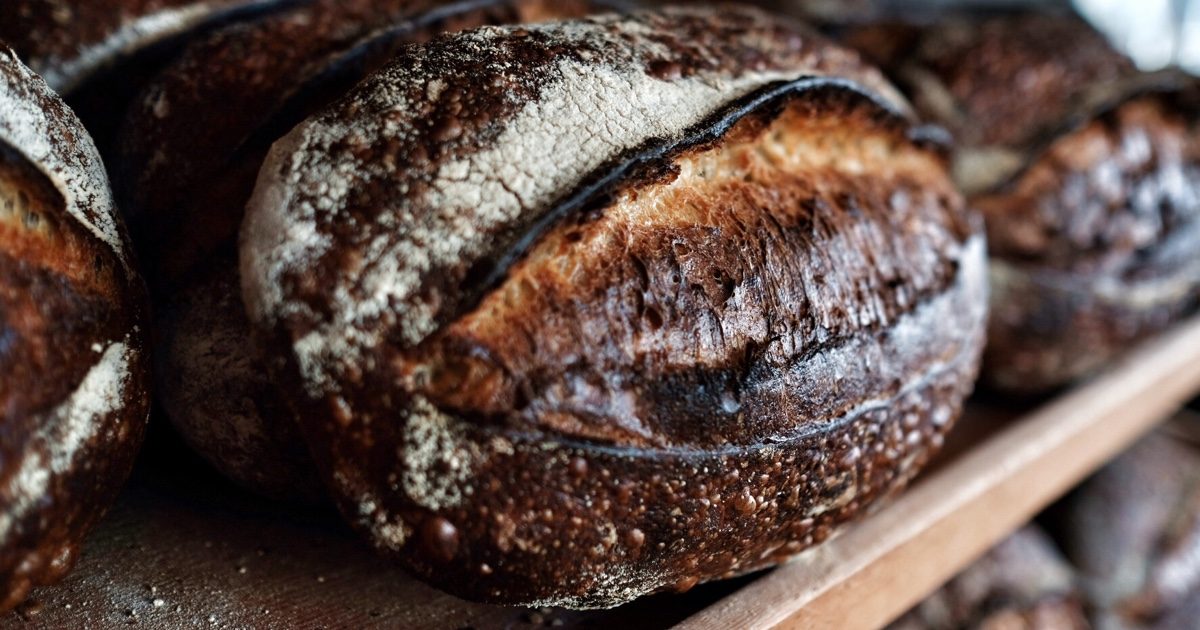
For the neighbourhood's everyday food culture, three stops matter more than any tasting menu. Tartine Bakery, on Guerrero at 18th, is the bakery that changed how America thinks about bread, and it's walk-in only — no reservations at all, which means big groups will face a real queue, sometimes wrapping the block on weekend mornings. Go for the croissant and accept the wait as part of the ritual. La Taqueria, on Mission Street at 25th, is the Michelin Guide-listed burrito counter that most locals will point to as the best Mission-style burrito in the city — counter-service, fast turnover, and genuinely fine for groups who don't mind splitting up to order separately and reconvening at a table. And Balompié Cafe, also on Mission Street, is the pupuseria locals actually vote for when the conversation turns to Salvadoran food — casual sit-down, no booking needed, and it takes groups without any friction. If La Taqueria is the touristed side of Mission street food, Balompié is the side that's been feeding the neighbourhood's Central American community for decades.
Where to drink: sun, dive bars, and one very serious cocktail list
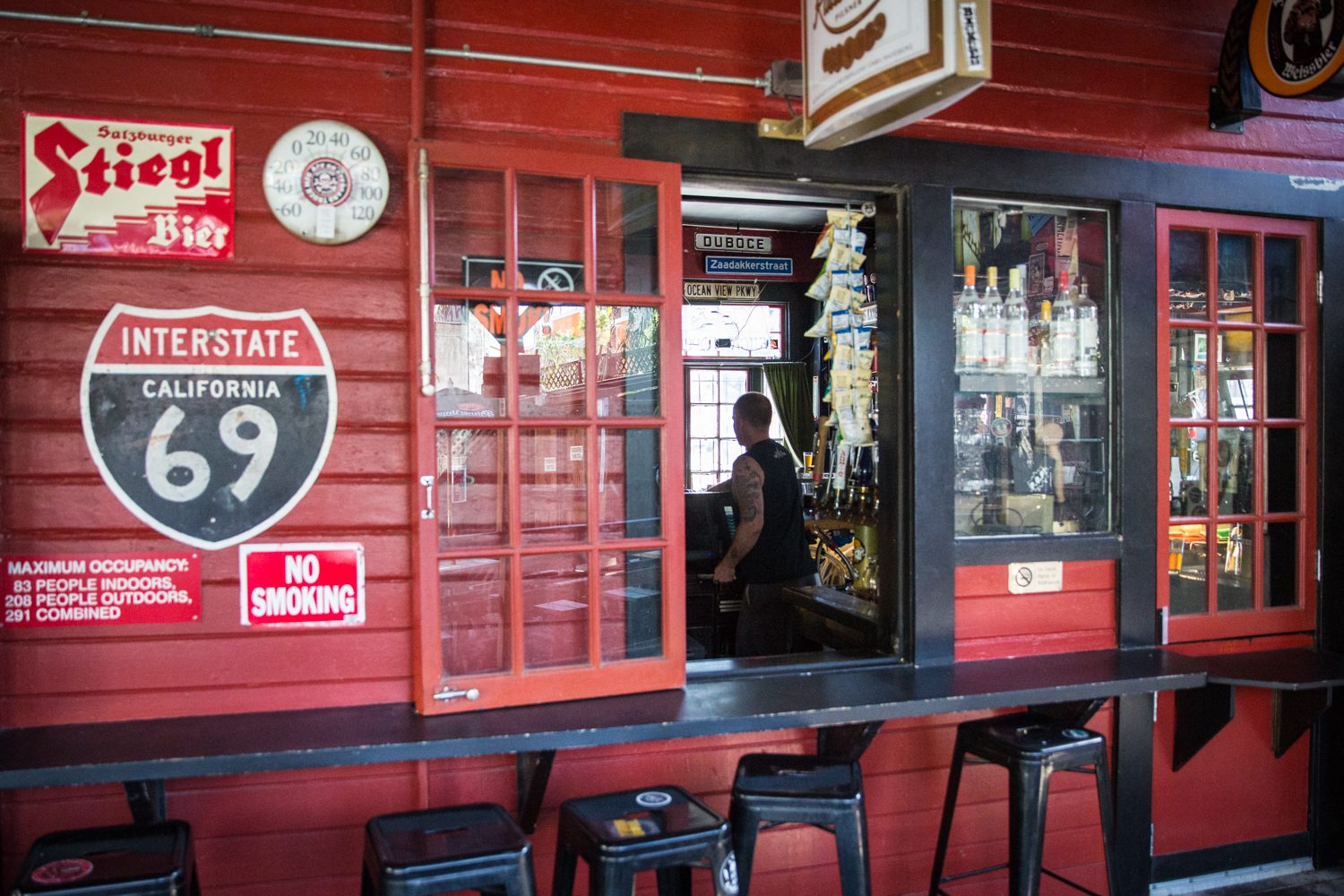
The Mission's drinking scene runs warmer and looser than most of the city, largely because it has the outdoor space to support it. Zeitgeist, on Valencia at Duboce, is the unpretentious beer garden that captures that side best — big outdoor picnic-table seating, no reservations, and a crowd that skews toward cyclists and regulars rather than anyone dressed up. Groups are entirely welcome and the vibe stays loose even when it's packed.
El Rio, on Mission Street near Cesar Chavez, is a 1978 Legacy Business and one of the Mission's longest-running LGBTQ+ venues — a dive bar with a patio and event space that handles groups easily, though it's worth checking the event calendar before you go, since cover charges apply on show and drag nights. It's still hosting live music regularly in 2026, and the patio on a warm evening is one of the more low-key, unpretentious ways to spend a night in the neighbourhood.
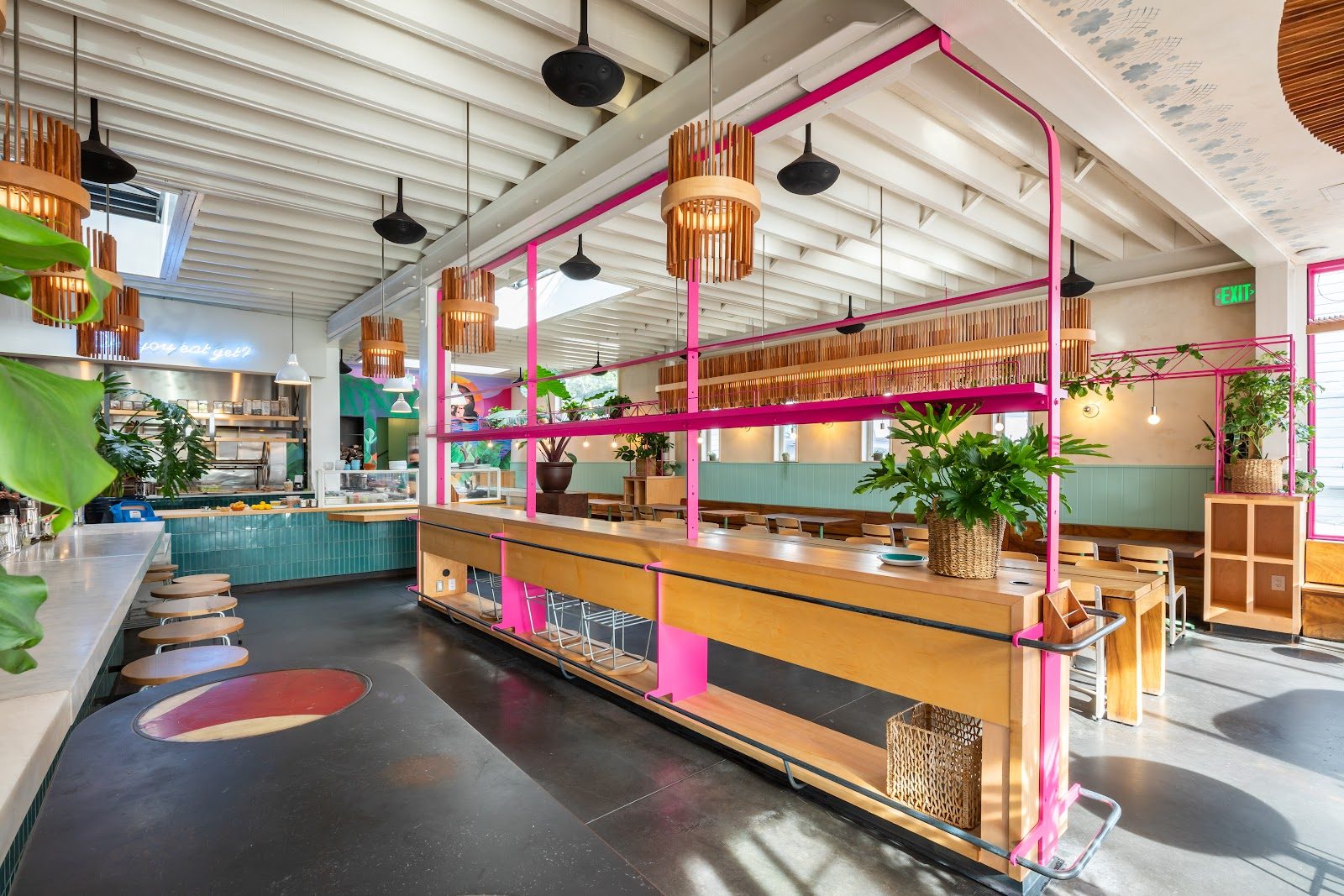
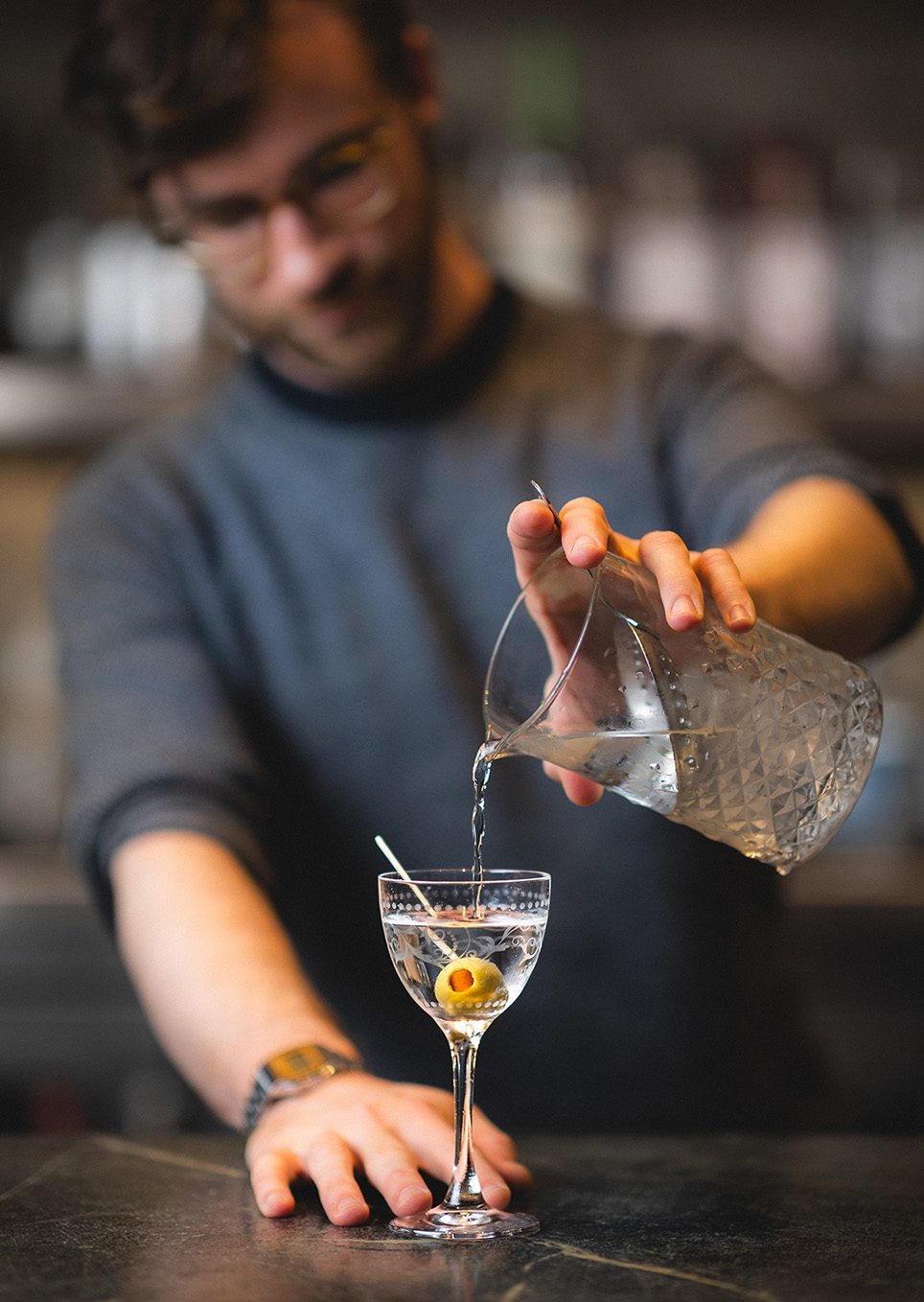
For something more composed, Trick Dog, on 20th Street near Mission, is the James Beard-recognised cocktail bar that helped anchor the Mission's serious drinking scene, built around a themed menu that changes periodically — the hook that keeps regulars coming back to see what they've done with it this time. Booths and a mezzanine level suit groups well, walk-ins are fine early in the evening, but book ahead for weekend nights if you want a seat rather than standing room. And Good Good Culture Club, on Valencia Street, runs a Laotian/Thai/Filipino-inflected menu from the team behind Liholiho Yacht Club, split across a downstairs dining room and one of the Mission's better rooftops — both handle groups, though reservations are recommended specifically for the roof, which fills fast on clear evenings.
Where to stay: the one hotel actually inside the Mission
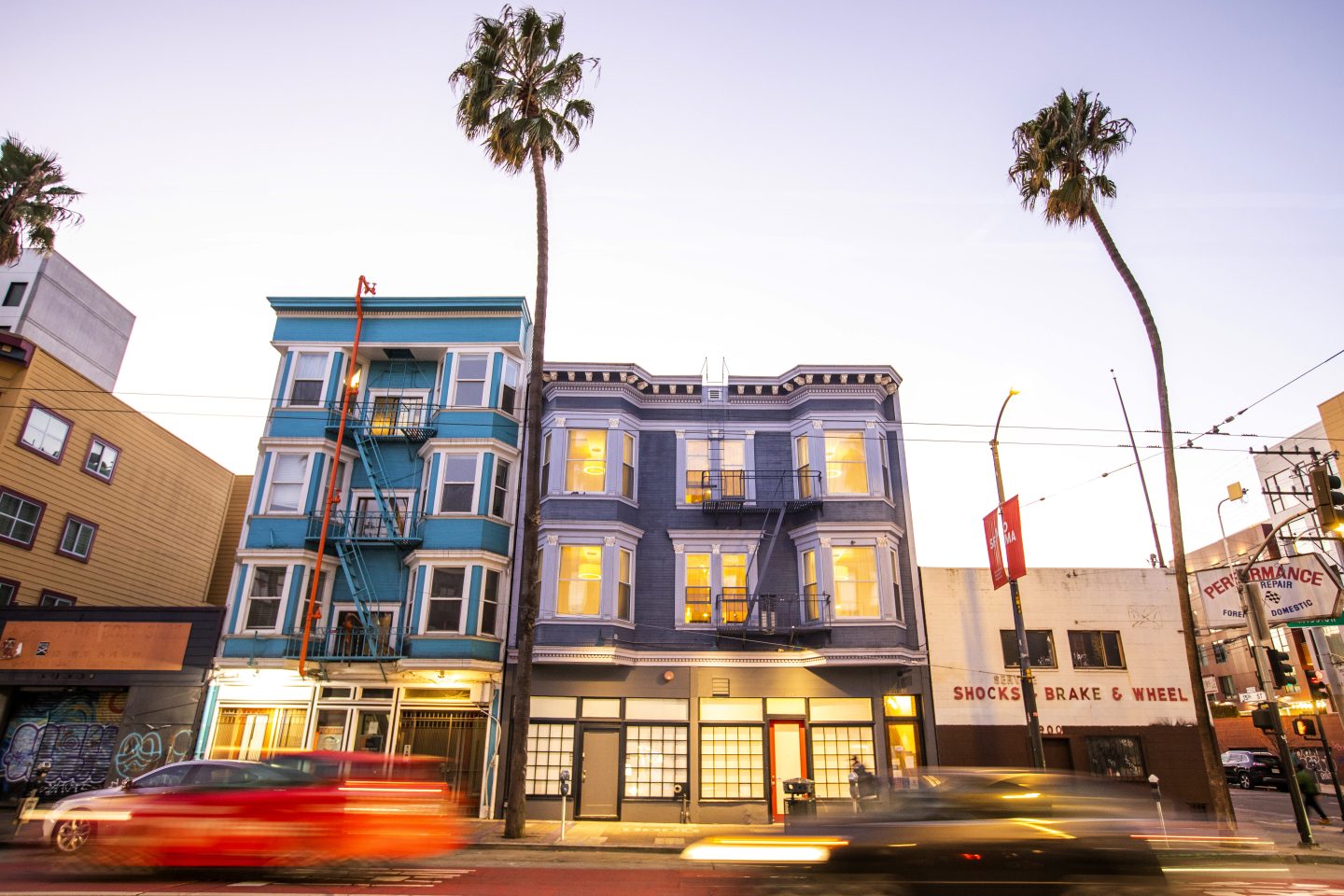
Most listings that claim to be "in the Mission" are really in the Castro or SoMa, a genuine walk away from everything above. 1906 Mission, on Mission Street itself, is the rare exception — a boutique extended-stay hotel a short walk from 16th Street BART, with rooms suited to small groups or families booking multiple units at once and pricing that reflects the extended-stay format rather than a standard nightly rate. If staying inside the neighbourhood matters more to you than a hotel pool or a concierge desk, this is the one to book. For everything else, including hotels in the Castro, SoMa, and beyond, use the San Francisco hotel search to compare what's actually walkable to where you want to be, and the San Francisco guide for the rest of the city beyond this one neighbourhood.
Practical notes
Getting there and around: BART's 16th Street and 24th Street Mission stations both drop you in the middle of everything above — 16th Street is closer to Mission Dolores Park and the Basilica, 24th Street closer to Balmy Alley and La Taqueria. The Mission is flat and dense enough to walk end to end in under thirty minutes, so once you're there, skip rideshares for anything short of a trip out of the neighbourhood entirely.
Cash and cards: Most sit-down restaurants and bars take cards without issue, but some of the smaller taquerias and pupuserias still run cash-friendly or cash-only at the counter, especially during a lunch rush — carry some small bills for the food stops rather than relying entirely on plastic.
Timing: Mission Dolores Park and the mural alleys are best on weekday mornings if you want them quiet, or Saturday afternoon if you want to see the neighbourhood at full social volume — both are valid, just know which one you're choosing. Reservations at Lazy Bear, Flour + Water, and Foreign Cinema should go in well ahead, ideally as soon as your dates firm up; Tartine and La Taqueria don't take reservations at all, so build queue time into the plan.
Budget: A day here can run from nearly free — the murals, the Basilica's suggested donation, an afternoon in the park, a burrito at La Taqueria — up to several hundred dollars a head if Lazy Bear is on the itinerary. Most visitors land somewhere in the middle: a $$ dinner, a couple of $ counter-service meals, and drinks at Zeitgeist or El Rio that rarely run past $10–15 a round.
Gallery
Mission District in pictures
Mission District — your questions
How many days do you need to see the Mission District properly?
One full day covers the essentials — Mission Dolores, the murals, and a couple of food stops — but two days lets you add a proper sit-down dinner at Flour + Water or Foreign Cinema and a slower afternoon in Mission Dolores Park without rushing.
Is the Mission District safe to walk around at night in 2026?
The core stretch along Valencia and 16th to 24th Streets is well-trafficked and busy into the evening with restaurants and bars, but like any dense urban neighbourhood, stick to lit main streets after dark and treat it with the same street sense you'd use in any big-city core.
Do I need reservations for Mission Dolores Park or the mural alleys?
No — Mission Dolores Park, Balmy Alley, and Clarion Alley are all open public spaces with no booking system. The only reservation-style option is the $5 guided tour of Clarion Alley, which runs alternating Saturdays at 1pm.
What's the best Mission-style burrito, and is it really worth the hype?
La Taqueria is the Michelin Guide-listed answer most locals give, and the counter-service format means you're rarely waiting long even at lunch — it's earned its reputation rather than just riding tourist momentum.
Where should I stay if I want to be based in the Mission itself?
1906 Mission is the one true option physically inside the neighbourhood, a short walk from 16th Street BART; most other "Mission-adjacent" listings are actually in the Castro or SoMa, so check the map before booking if location inside the Mission matters to you.