The San Francisco issue
Karl Comes Home: How the Fog Made San Francisco
A calm, local's map to meeting Karl the Fog — the twelve best places to watch San Francisco's marine layer roll in, and which ones suit couples, families, and big groups.
By Jonas BakkerThe city's hills, fog and neighbourhoods, one route at a time
San Franciscans don't so much discuss the weather as introduce you to a character. Karl the Fog has a name, a temperament, and a daily timetable: most summer afternoons he pours in off the cold Pacific, swallows the western half of the city whole, and burns back by mid-morning the next day. This is a guide to meeting him on his own terms — where to stand, when to arrive, and which vantage suits a couple, a family with a stroller, or a busload of friends who've all agreed, for once, on a single plan.
Karl, explained (why the fog is a summer thing)
It helps to understand what you're actually looking at, because it changes where you go. The fog here is a marine layer: a shallow ceiling of cloud that forms where the warm Pacific air meets the frigid upwelling water offshore — the same cold current that keeps the beaches bracing in August. When the Central Valley inland heats up and its air rises, it pulls that cool ocean air through the one low gap in the coastal hills. That gap is the Golden Gate. So the fog isn't random; it follows a road, and the road runs straight through the strait the bridge crosses.
The practical upshot: summer, roughly June through early September, is peak Karl, and he is thickest in the late afternoon and overnight, thinning by late morning. Winter tends to be clearer and, when it does fog, does so as low ground mist rather than the great advancing wall. Two rules follow from the physics, and both shape this itinerary. First, the western and central neighbourhoods drown while the eastern and southern ones can stay sunny — the fog loses steam as it grinds inland. Second, if you climb high enough on the right morning, you can stand above it. Keep both in your pocket. For the wider lay of the land, the San Francisco guide covers neighbourhoods and getting around; here we're chasing one thing only.
Plan your San Francisco trip
Live prices from our booking partners.
Free cancellation on many rooms. We may earn a commission when you book.
Meeting Karl at the Golden Gate
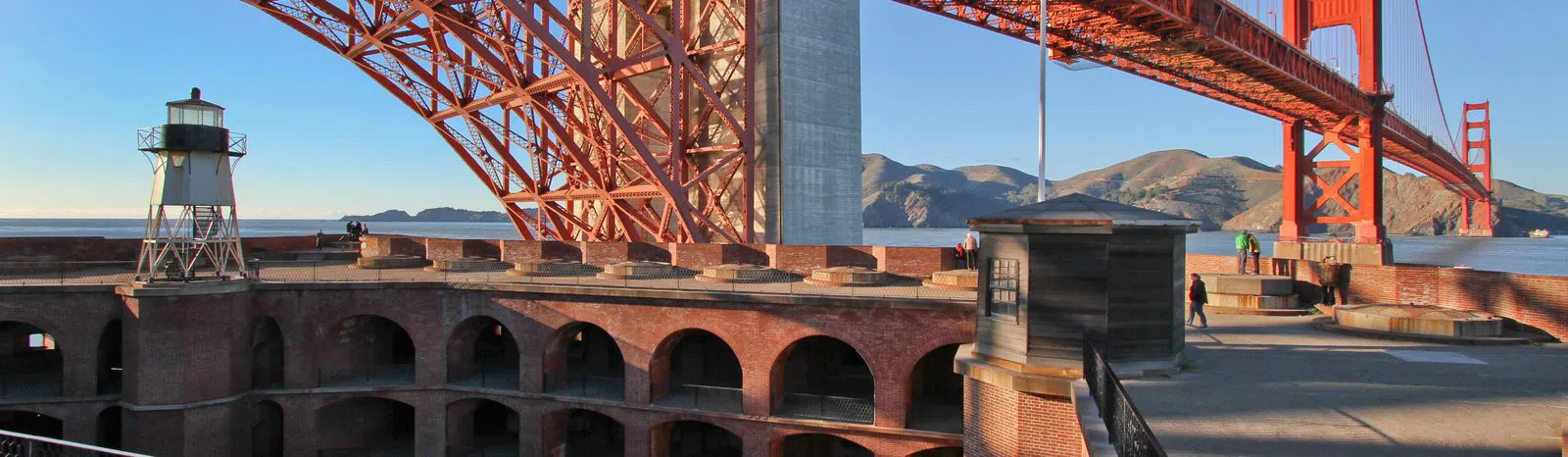
The most visceral way to experience the fog is not to look at it but to stand inside it while it works, and the Golden Gate is where it works hardest. Fort Point National Historic Site (Presidio, tucked directly beneath the bridge's south anchorage) is a Civil War–era brick fortress that sits at the exact point where the marine air funnels through. Come when the fog is in and the two-tone foghorn sounds every twenty seconds overhead; you feel the note in your chest before you place it. Admission is free, and the grounds are open daily, but the fort's interior only opens Friday through Monday — closed Tuesday to Thursday — so if your group wants to go inside, check the day before and plan around it. It suits everyone; the approach is flat and there's shelter if Karl turns cold and wet.
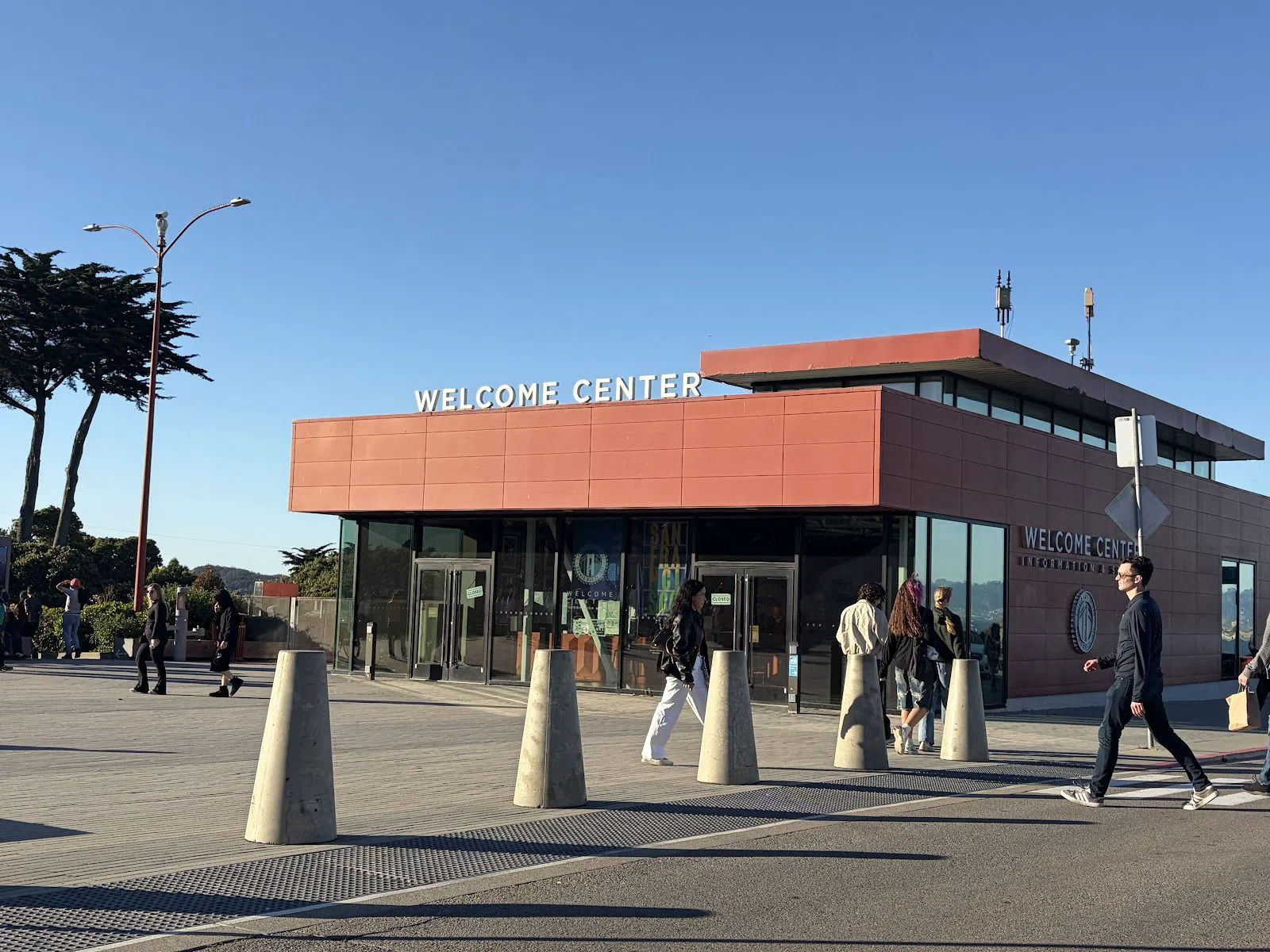
A short distance uphill, the Golden Gate Bridge Walk & Welcome Center (Presidio, south end of the span) is the walk itself. The east sidewalk is open to pedestrians daily, large groups are fine on the span, and the experience — pacing out over the water as the fog closes over the towers and the horns go — is the single most iconic fog moment the city offers. It is also markedly colder mid-bridge than at either end; the wind has a clear run at you. Dress as if it's ten degrees cooler than the car park, because it is. The welcome center and paid parking sit at the south end; walking the bridge costs nothing.
Across the water: the Marin Headlands
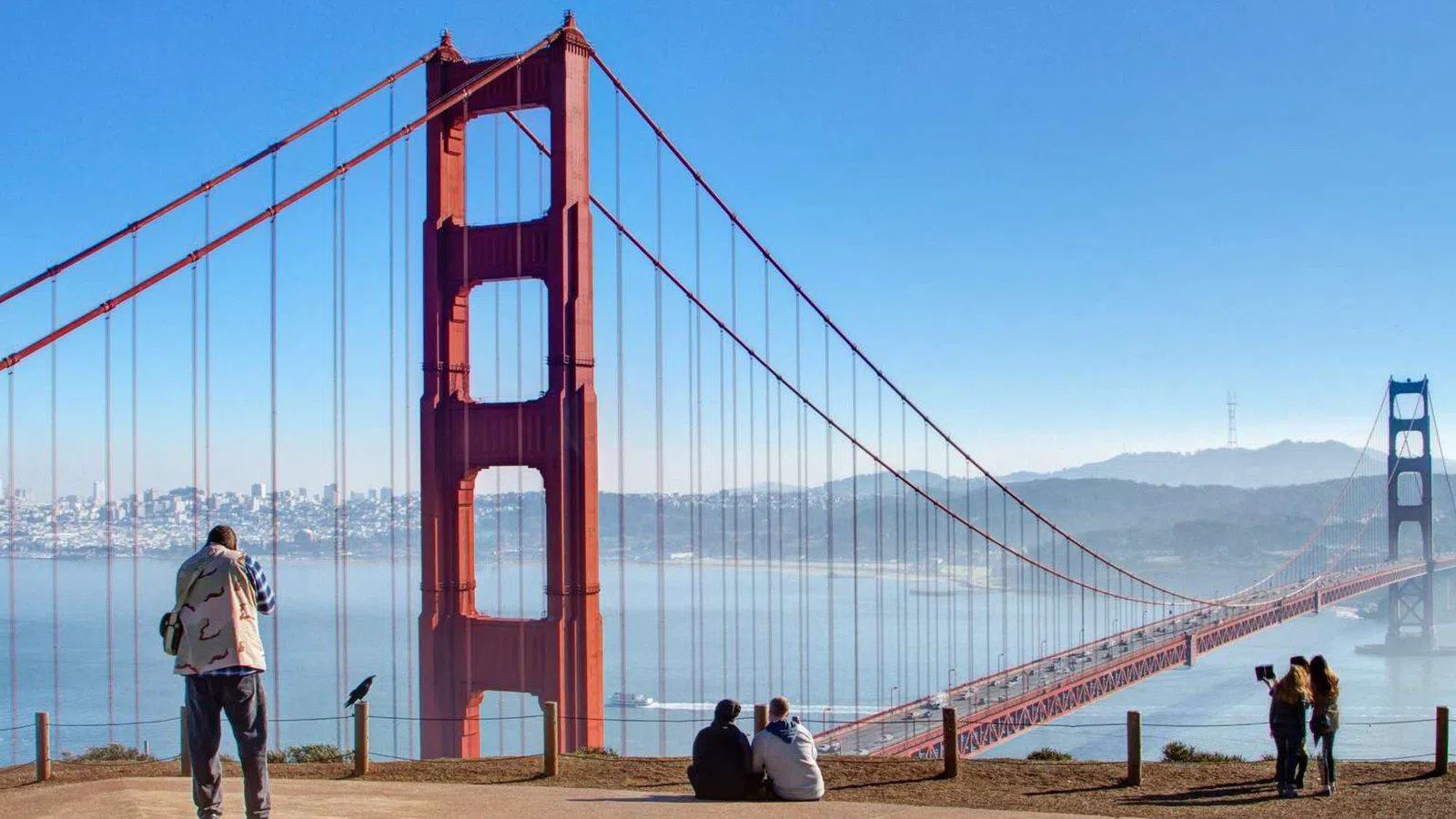
For the postcard — the one with a bridge tower piercing a sea of grey — you have to cross to the northern shore and look back. Battery Spencer (Marin Headlands, a clifftop NPS overlook just past the north end of the bridge) delivers exactly that shot, and it's only a short, mostly level walk from the pullout, which makes it kind to mixed-mobility groups. The catch is parking: the pullout is tiny and fills fast, so a group should carpool or split a taxi rather than arrive in three cars and circle. It's free and open to all.
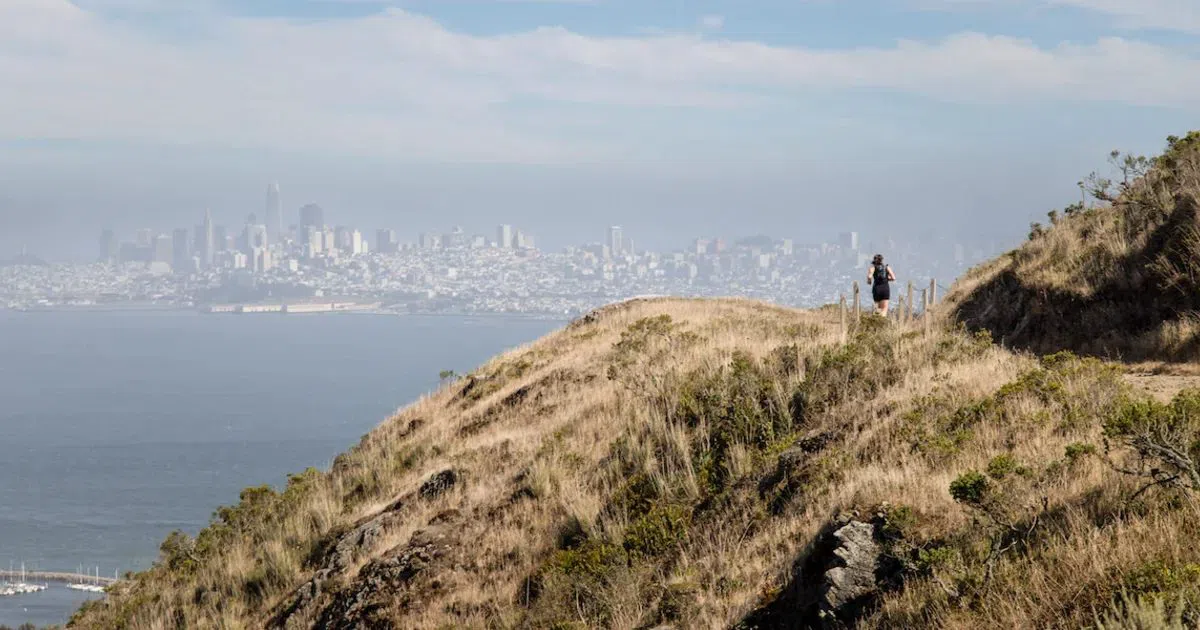
Higher up the same ridge, Hawk Hill (Marin Headlands, reached by the one-way road above Battery Spencer) is the rarest view of all. On a properly foggy morning you climb above the marine layer and look down onto an ocean of cloud with the bridge towers and hilltops surfacing like islands. It's also, in autumn, one of the world's great raptor-migration lookouts, so a September visit can hand you hawks and fog together. Parking by the roadside and old bunkers is limited, so this one favours smaller groups or a chartered van over a big loose crowd. Both Marin spots are essentially carless-unfriendly — there's no easy transit — so budget for a vehicle or a rideshare and treat the two as a single morning loop, Hawk Hill first for the above-the-fog window, Battery Spencer after for the classic frame.
The city's hilltops
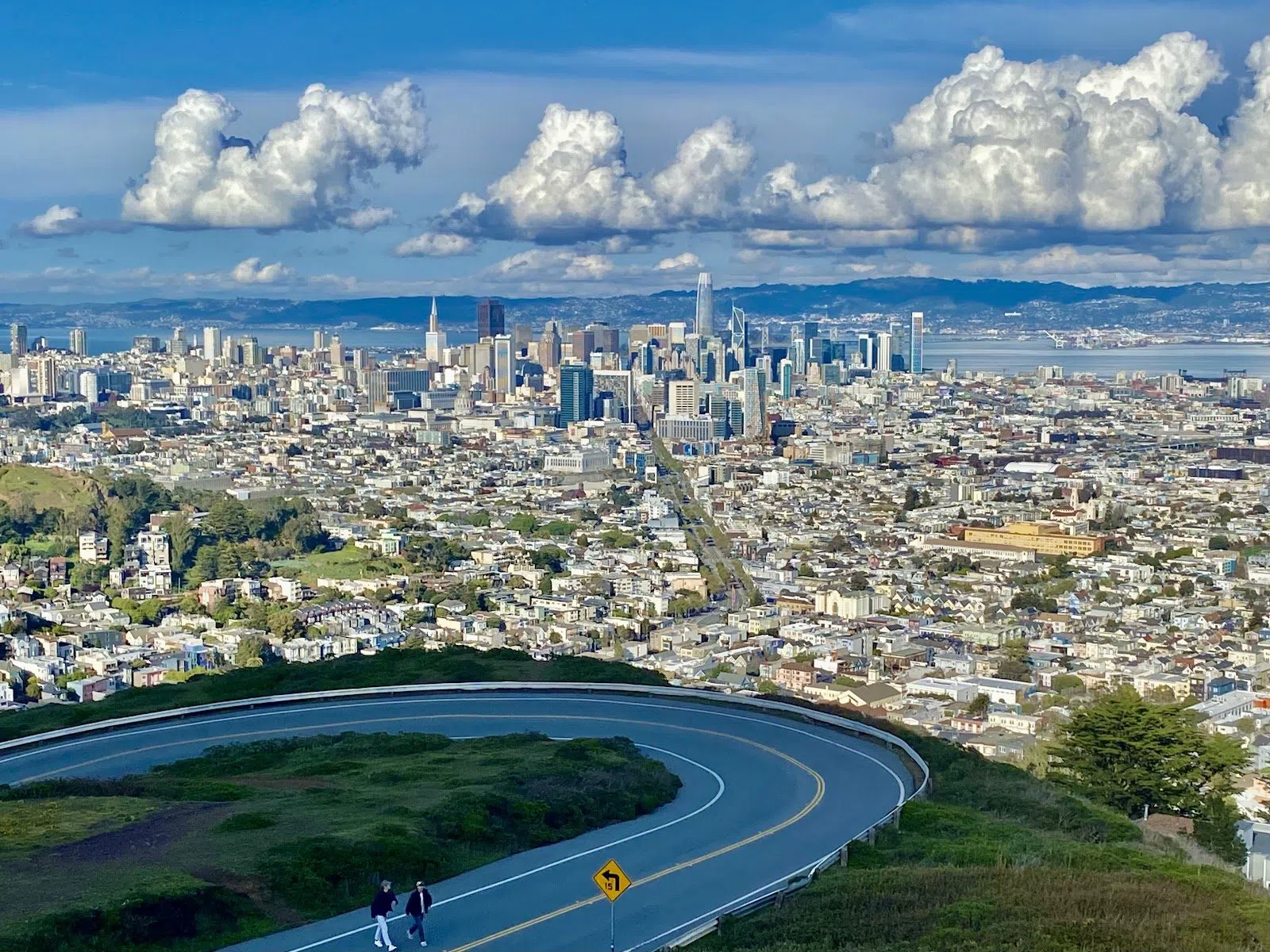
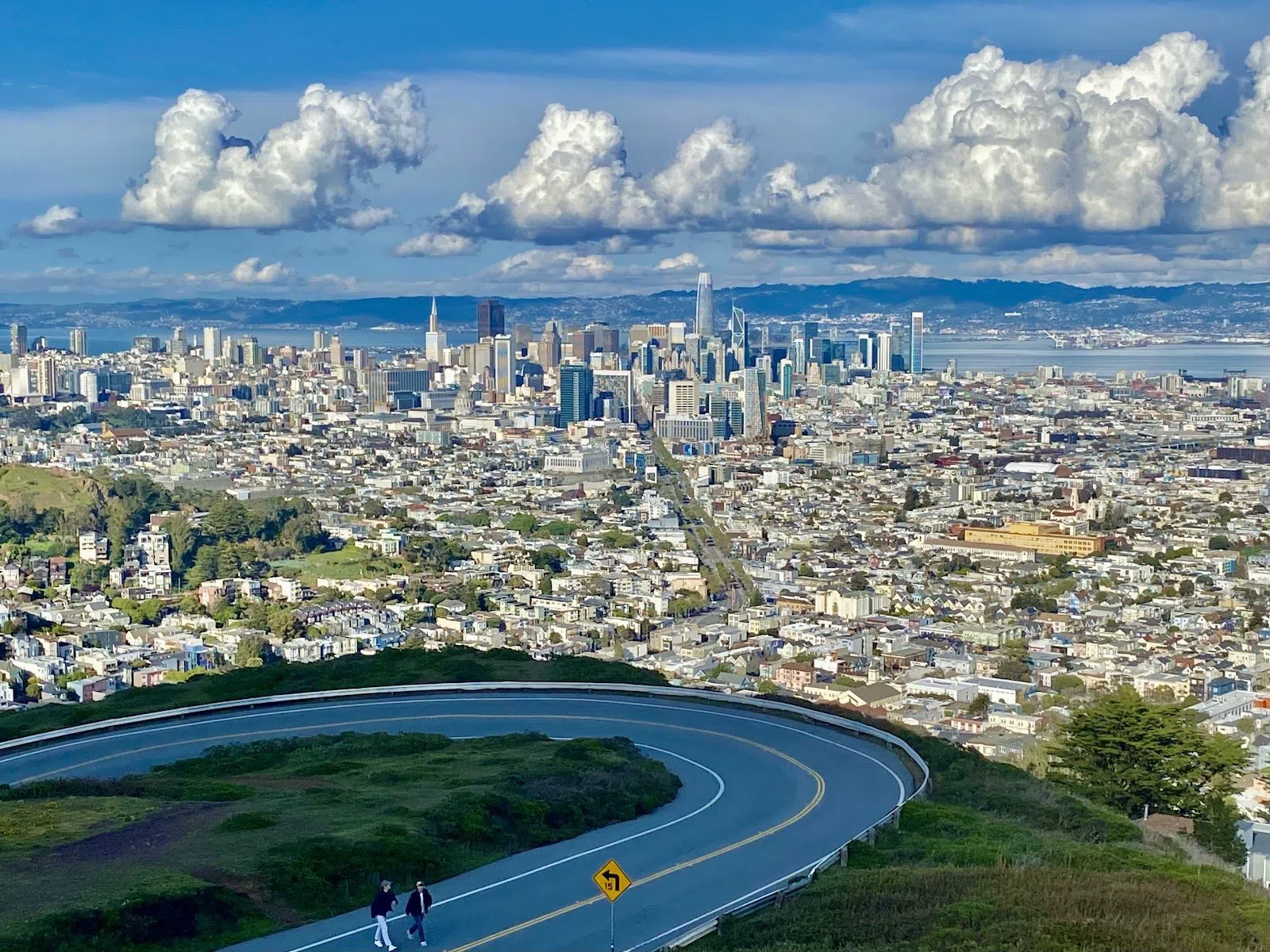
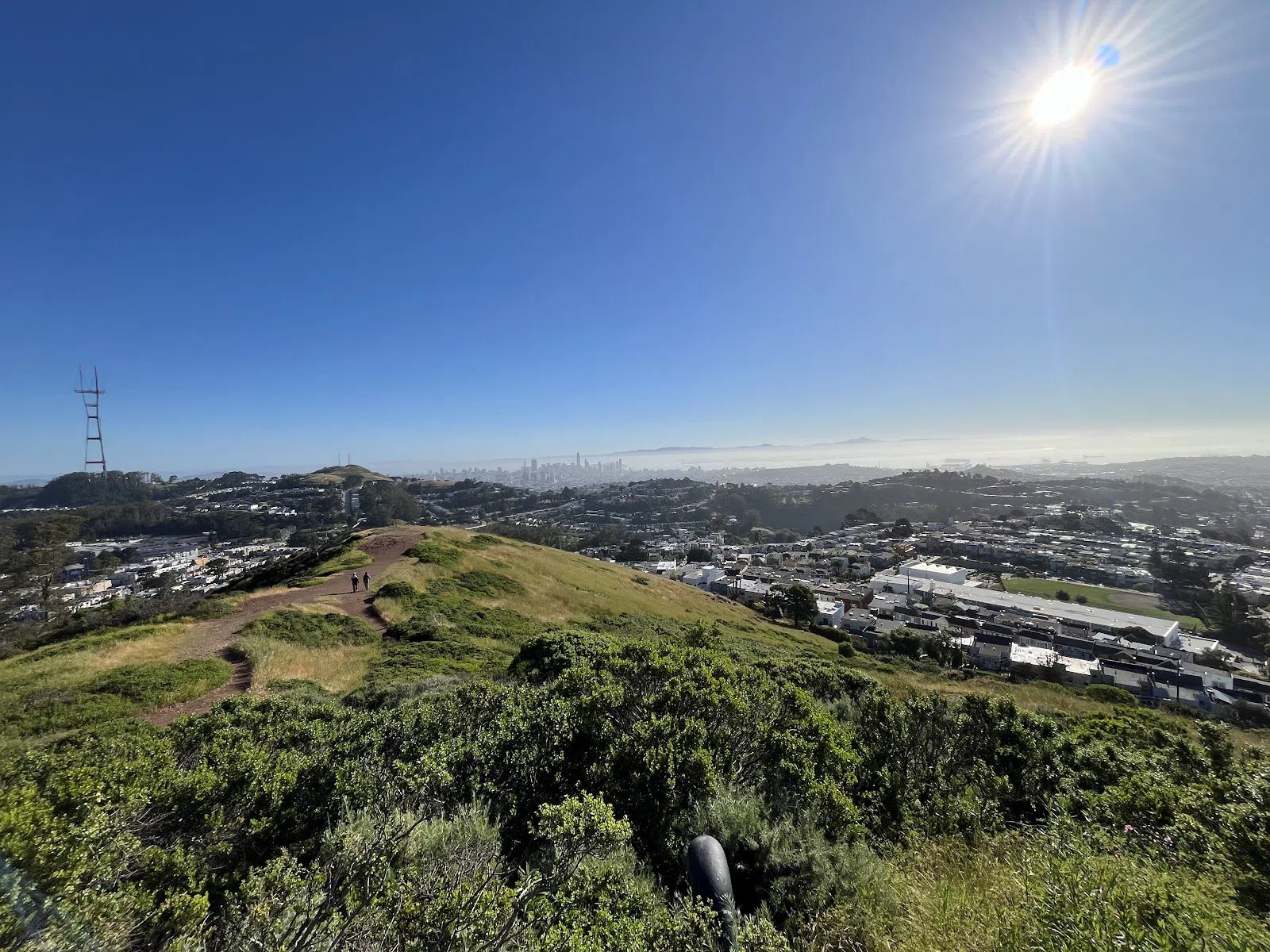
Back in town, the fog becomes a spectator sport, and San Francisco is unusually well-supplied with front-row seats. The definitive one is Twin Peaks (central, the two hills at the city's geographic heart). It's free, open until midnight, has no door policy, and welcomes groups and tour vans alike; the upper loop road is closed to cars, so you can gather on foot without dodging traffic. This is where you watch Karl physically spill over the ridgeline and drain into the valleys below. Come at dusk — but come warm. The summit is exposed, cold, and wind-whipped even in July, and first-timers routinely underdress and leave early.
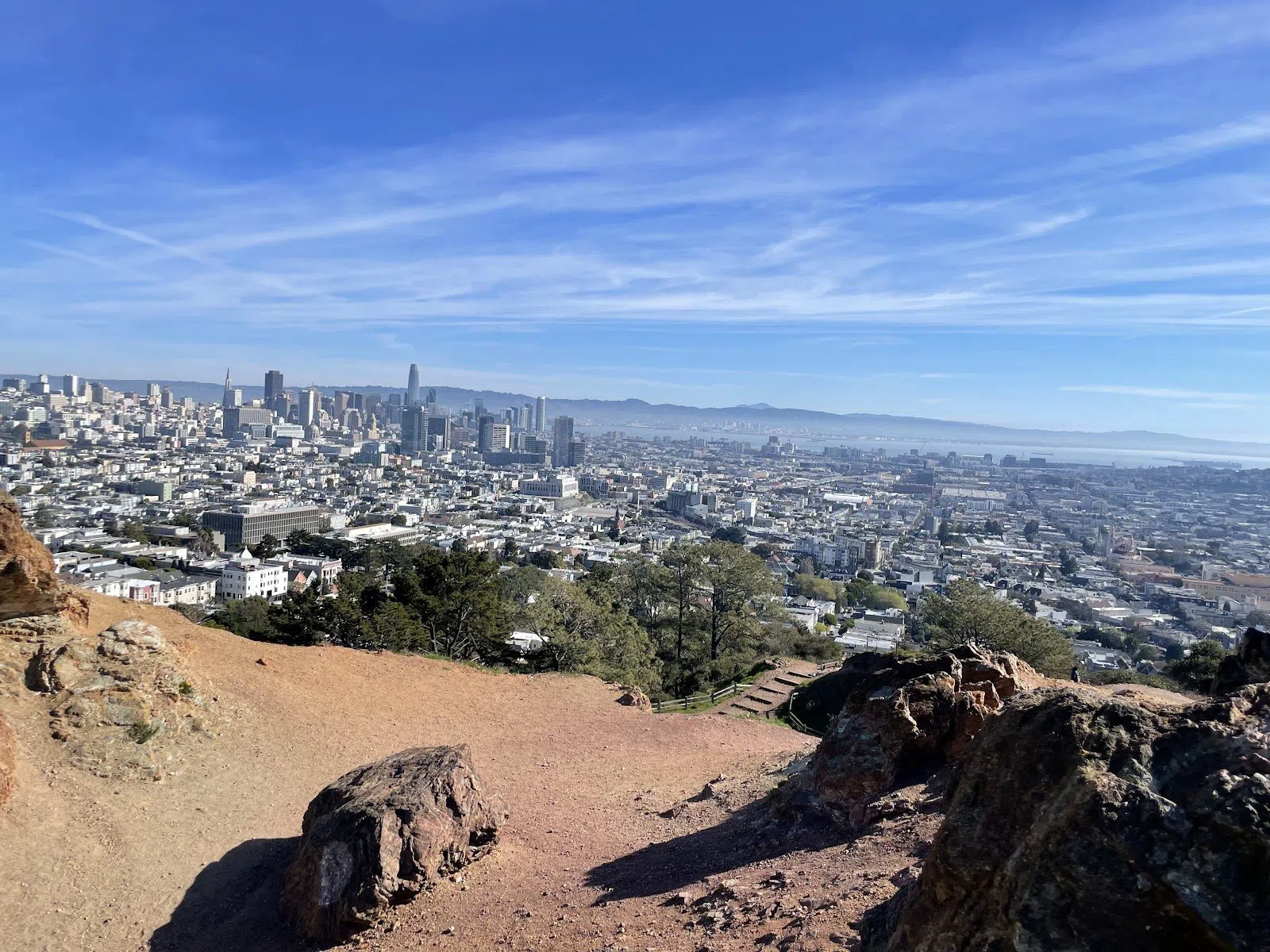
When Twin Peaks is buried in its own cloud, its smaller neighbour often isn't. Corona Heights Park (Corona Heights, a short walk up from the Castro) is the most central patch of genuinely wild rock in the city — a quick scramble to a craggy top that's easy to reach and frequently clear when the taller hill beside it has vanished. It's open 5am to midnight and very walkable, which makes it the reliable backup plan.
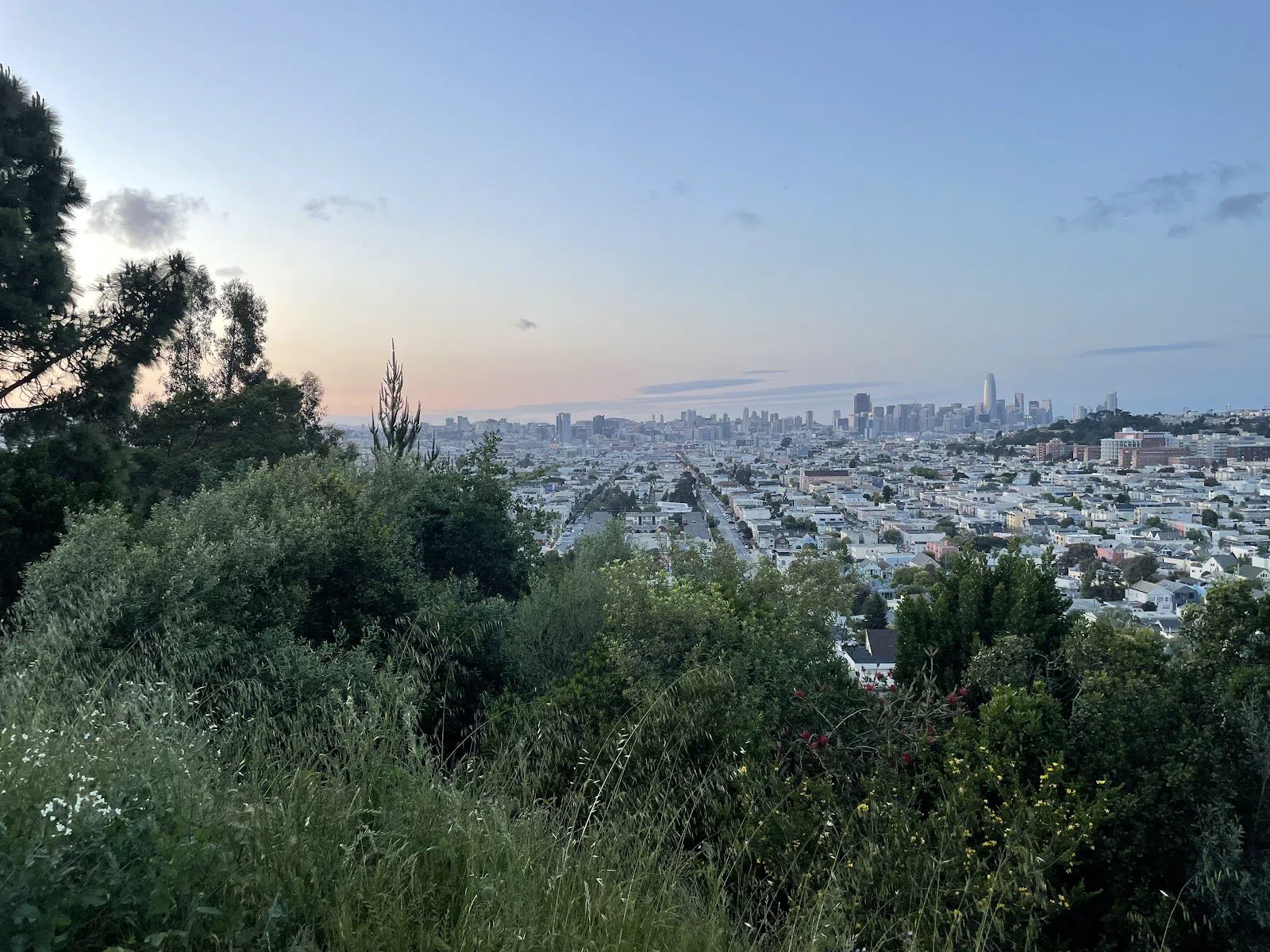
For the reverse trick — staying sunny while everyone else goes grey — locals point south to Bernal Heights Summit (Bernal Heights, a grassy open hilltop above the Mission). Because the fog runs out of momentum before it climbs this far in, Bernal often sits in clear light with a 360-degree view over a city gone soft and pale beneath it. It's the most group-friendly of the lot: open grassland, dogs, picnics, room to spread out. Think of it as the escape hatch.
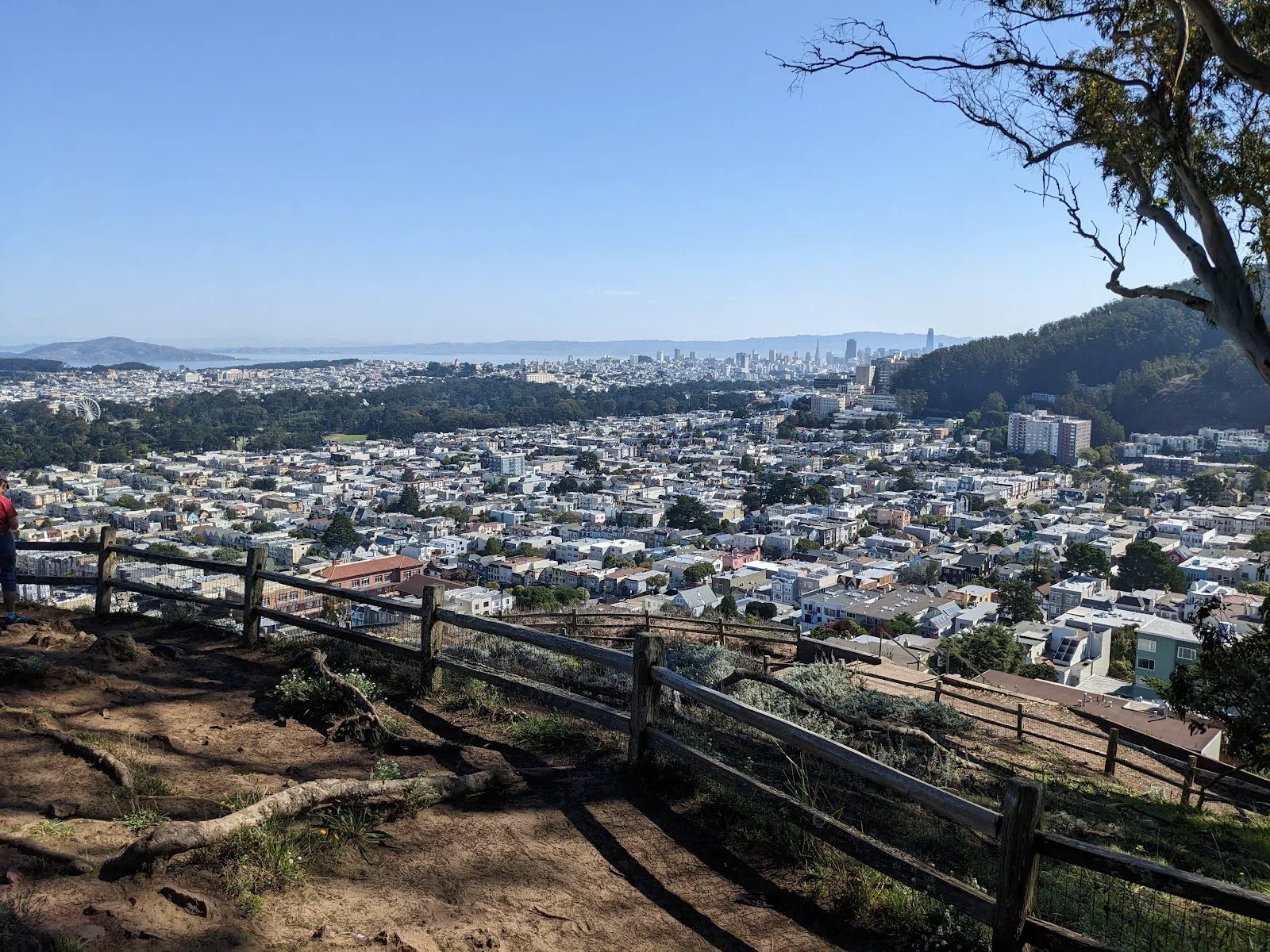
Two more reward a particular mood. Mount Davidson (Miraloma, the city's highest point) asks you to stop chasing the skyline and step inside the fog instead: the short, steep trail climbs through a misted eucalyptus grove around the giant summit cross that feels, on the right damp morning, like a cloud forest smuggled into the city limits. It suits families and moderate groups. And Grand View Park (Inner Sunset, also known as Turtle Hill) pairs a view with the city's most photogenic staircase — the Instagram-famous tiled mosaic steps — before delivering a front-row seat as the fog swallows the Sunset District below. Fair warning: it's a steep climb with no parking at the top, so arrive on foot and let the group set its own pace.
The western edge, where Karl comes ashore
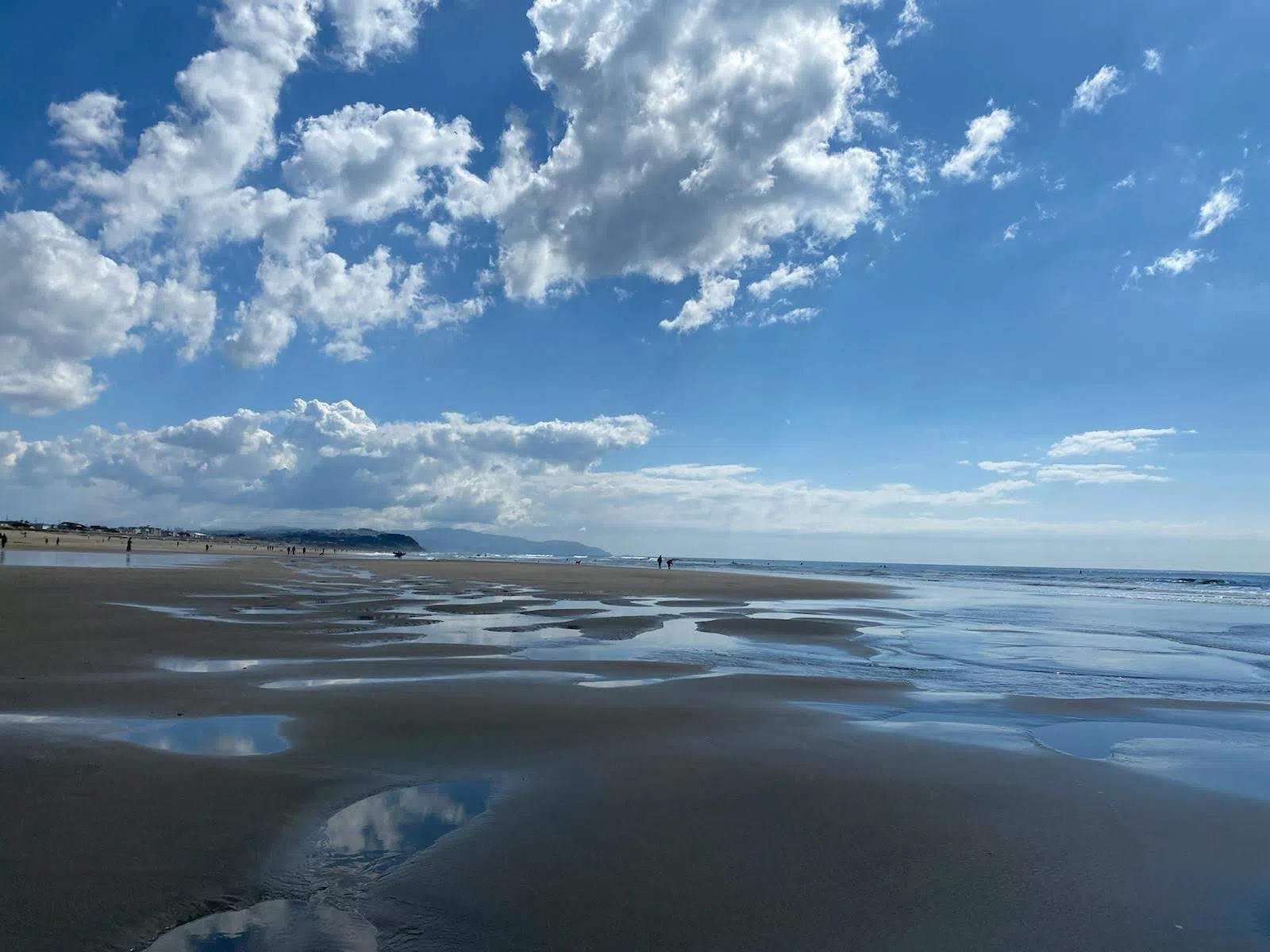
If the hilltops are the grandstand, the coast is the stage door — the fog usually makes landfall here first. Ocean Beach (Outer Sunset, the three-mile strand along the western edge) is the classic magnet; watch and you'll often see Karl roll in off the water before he reaches anywhere inland. It's a free city beach with permitted fire rings, and a dusk group beach fire as the fog comes down is one of the great cheap evenings in the city — buses run along the Great Highway to reach it. One hard rule: the surf here is genuinely dangerous, with strong rip currents. Come for the fire and the horizon, not for a swim. Nobody should be in that water.
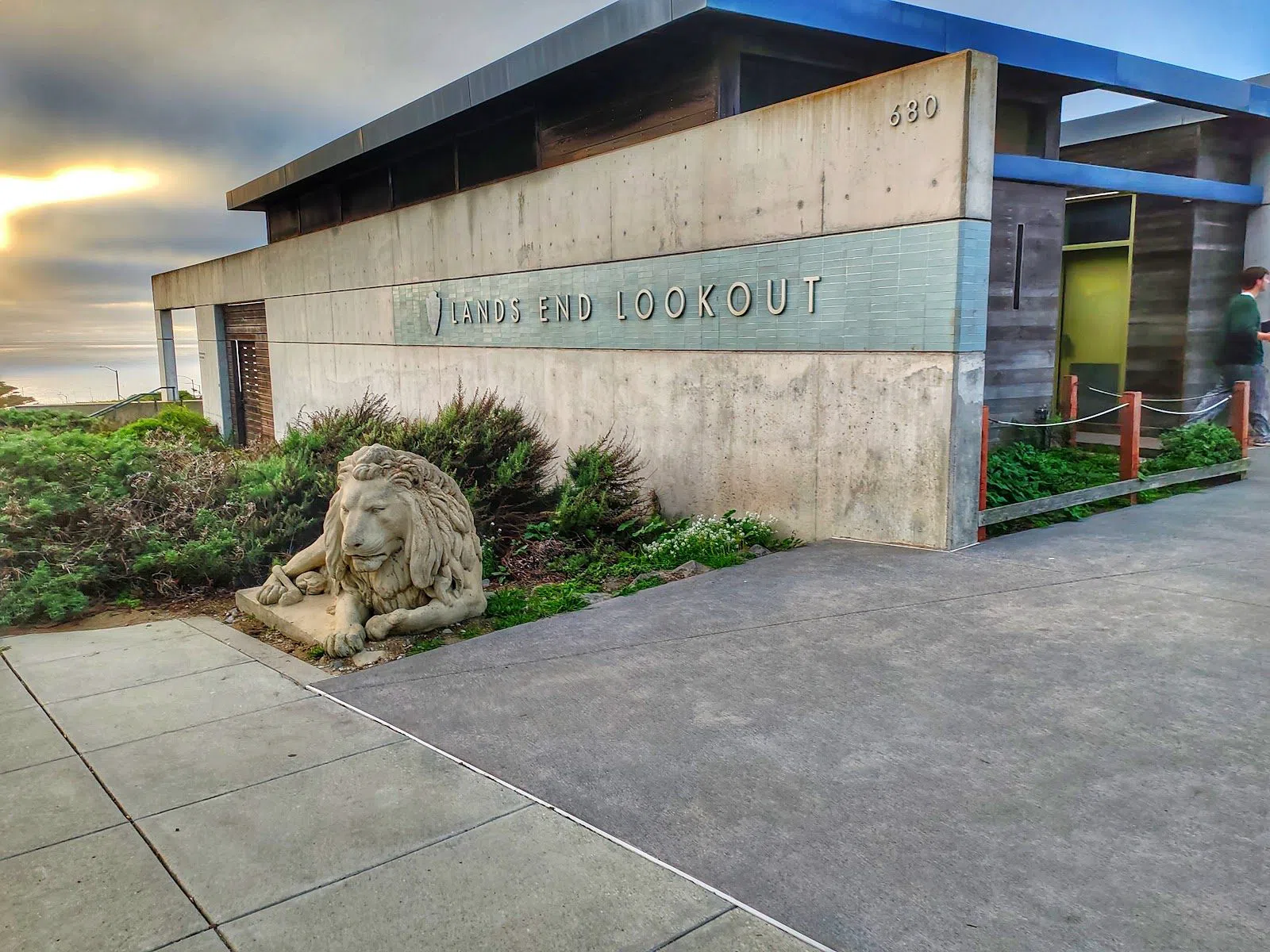
Just north, Lands End (Outer Richmond, GGNRA coastal parkland with its own car park and café) turns the fog cinematic. The wide Coastal Trail is easy for groups, and the ruins of the 1890s Sutro Baths — a vast, roofless bathhouse skeleton — look their best when the mist half-hides them. One honest note so you don't lead your group astray: the historic Cliff House restaurant next door remains closed, only tentatively due to reopen late in 2026, so don't build the day around a meal there. Bring your own, or use the café, and let the ruins and the trail be the point.
Onto the water
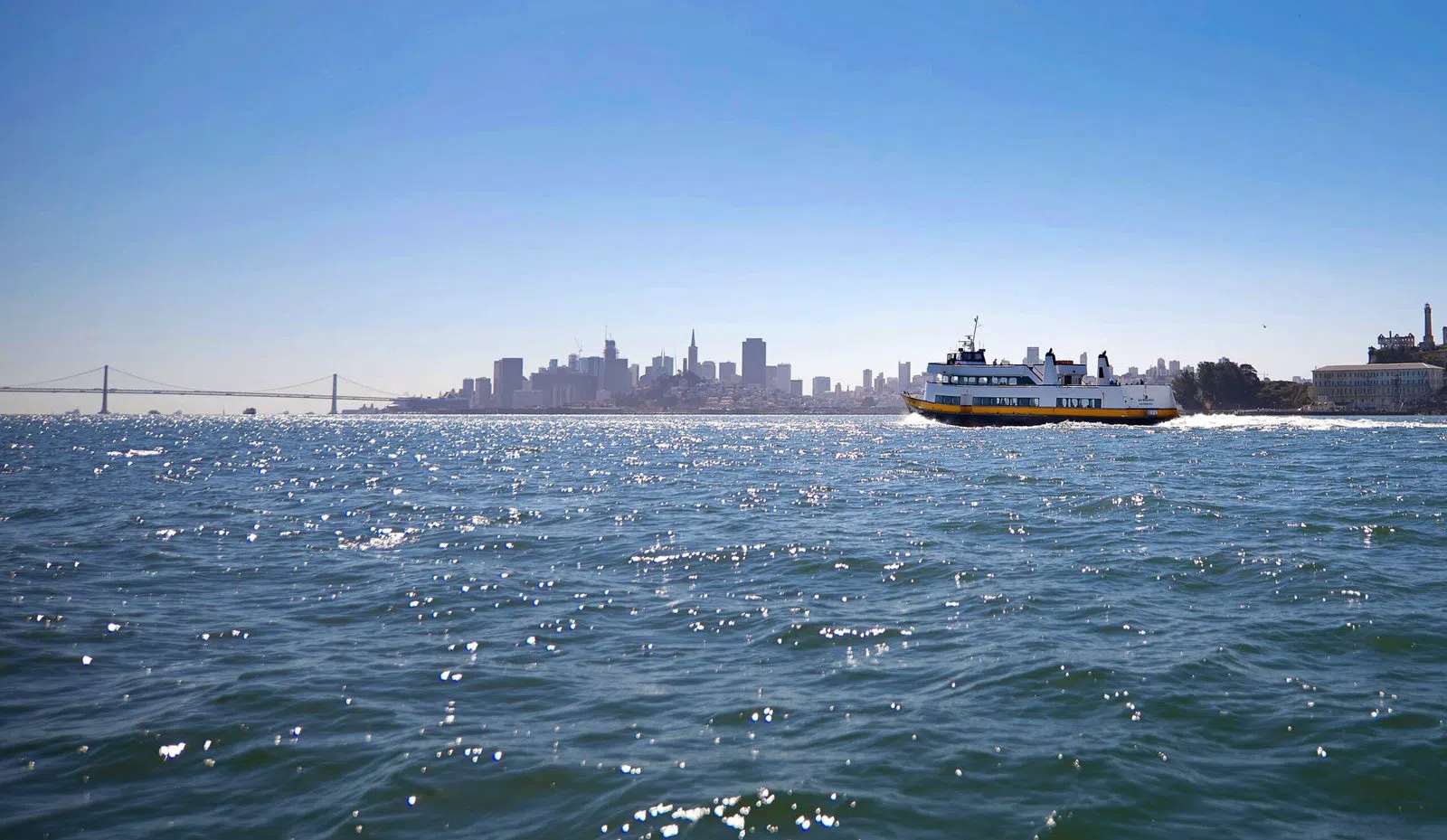
There's a final perspective that no hilltop gives you: being in it, at sea level, sailing under the bridge as the fog closes over the deck. The Blue & Gold Fleet — San Francisco Bay Cruise (Fisherman's Wharf, departing Pier 39) is the one commercial operator running this, and it's purpose-built for groups — indoor and outdoor decks, audio commentary in ten languages, and proper group rates and booking. Reckon on about \$40 for an adult on the roughly one-hour sailing. The covered deck is the quiet genius of it: when Karl is thick and every viewpoint on land is a wall of grey, the cruise still works, because being swallowed by fog mid-bay is the entire experience. Book ahead in summer, especially for a group, and take the outdoor deck for the pass under the bridge, the indoor one for the rest.
Practical notes
Timing. Karl is a summer creature and an afternoon-into-morning one. For the fog rolling in, aim for the hour before and after sunset from the hilltops or Ocean Beach. For the above-the-fog view at Hawk Hill, go early — mid-morning, before it burns off. Winter visitors get clearer skies but a shyer, lower fog; adjust expectations.
Getting around. The city viewpoints are largely reachable by Muni: the Castro Metro station for Corona Heights, the N-Judah for the Inner Sunset and Grand View Park, buses along Geary for Lands End and along the Great Highway for Ocean Beach, and the F-line streetcar or a cable car for Pier 39. Twin Peaks and Mount Davidson are more awkward without wheels — a rideshare saves a long uphill trudge. The Marin Headlands (Battery Spencer, Hawk Hill) have essentially no useful transit; plan a car or a shared taxi and do them as one loop.
Cash and cost. Almost everything here is free — every viewpoint, both beaches, the bridge walk, and Fort Point. Your only real spends are the Blue & Gold cruise (~\$40 adult) and paid parking at the bridge's south end. Cards are accepted everywhere that charges; you don't need cash. Prices are quoted in US dollars.
What to wear. This is the one thing visitors get wrong. The fog brings wind and a wet chill that summer clothing won't cover, and every exposed summit and the middle of the bridge are colder still. Layers, a windproof top layer, and closed shoes for the scrambles at Corona Heights and Grand View Park. Bring more warmth than the sunny car park suggests — you'll want it within the hour.
Where to stay. Base yourself by what you're chasing: the western neighbourhoods for beach-and-fog mornings, something central if you want the hilltops and the bridge inside a short ride. Compare options with the San Francisco hotel search and, in summer, book early — Karl draws a crowd who all had the same good idea.
Before you go
When is the best time of year to see the fog in San Francisco?
Summer, roughly June through early September, is peak season for Karl the Fog. It's thickest in the late afternoon and overnight and usually burns back by late morning, so aim for around sunset to watch it roll in. Winter is clearer, with lower, patchier ground mist rather than the great advancing wall.
Where can you stand above the fog rather than inside it?
Hawk Hill in the Marin Headlands is the classic 'above the fog' spot — on a foggy morning you climb over the top of the marine layer and look down on an ocean of cloud. Bernal Heights Summit inside the city also often stays sunny while lower neighbourhoods go grey. Go early before the fog burns off.
Which fog viewpoints work best for a large group?
Twin Peaks (car-free upper loop, tour vans welcome), Bernal Heights Summit (open grassland), Ocean Beach (permitted fire rings) and the Blue & Gold Fleet bay cruise (purpose-built for groups) all handle crowds well. Battery Spencer and Hawk Hill have tiny parking, so carpool or take a chartered van.
Can you swim at Ocean Beach after watching the fog?
No. Ocean Beach has strong rip currents and dangerous surf, and swimming is not safe there. It's excellent for watching the fog roll in and for a permitted dusk beach fire in the fire rings, but stay out of the water.
Do you need a car to reach the best fog spots?
Not for most of the city viewpoints — Muni buses and metro lines reach Corona Heights, Grand View Park, Lands End, Ocean Beach and Pier 39. But the Marin Headlands spots (Battery Spencer, Hawk Hill) have essentially no transit, so plan a car or shared rideshare and do them as one loop.